 Host: Poland • Bielsko-Biała
Erasmus+ Mobility in Poland: Promoting Zero Waste and Healthy Living
Fourth Student Exchange on Zero-Waste, REBREAD Innovation & Circular Food Economy
Erasmus+ Mobility in Poland: Promoting Zero Waste and Healthy Living
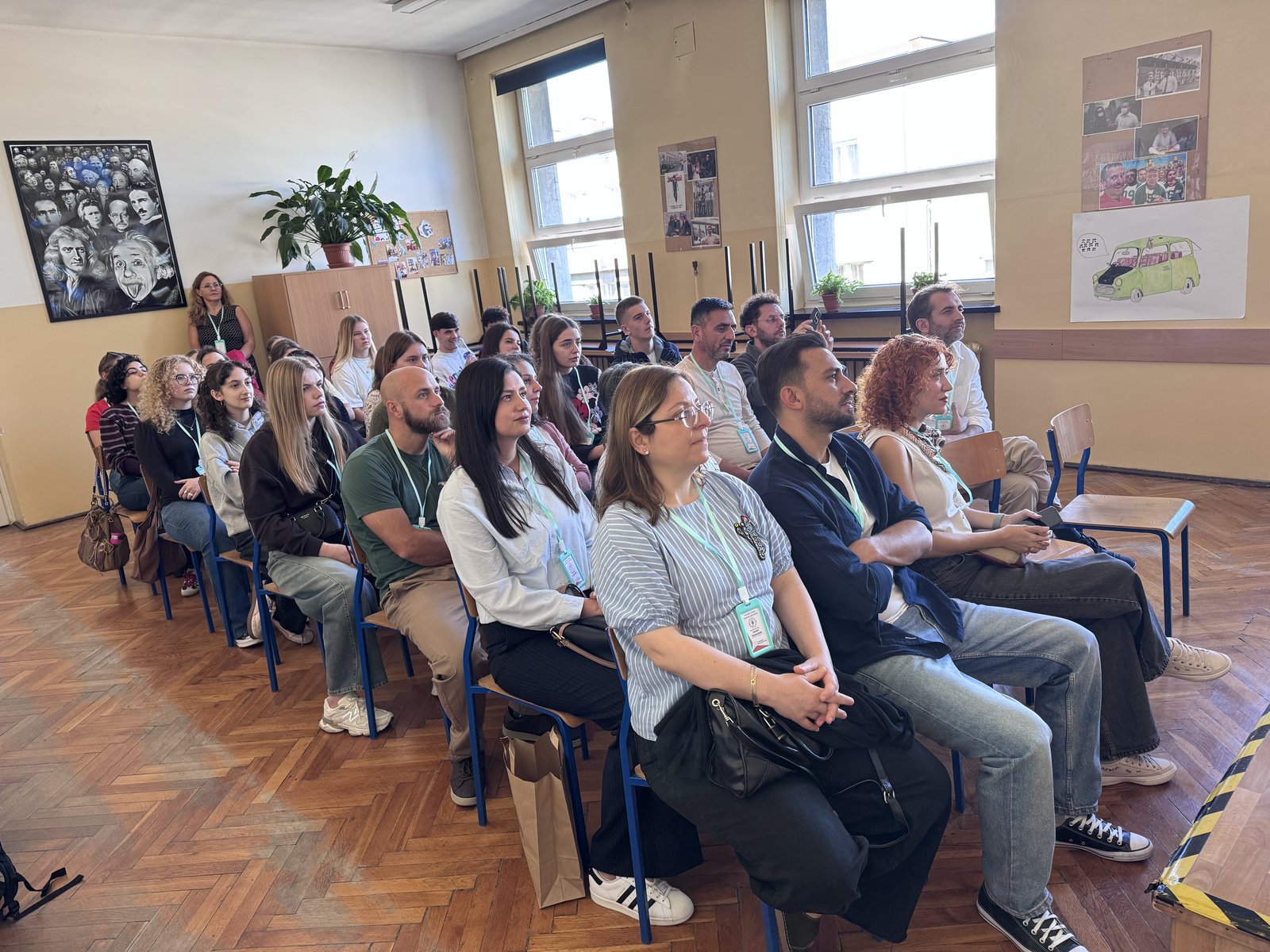
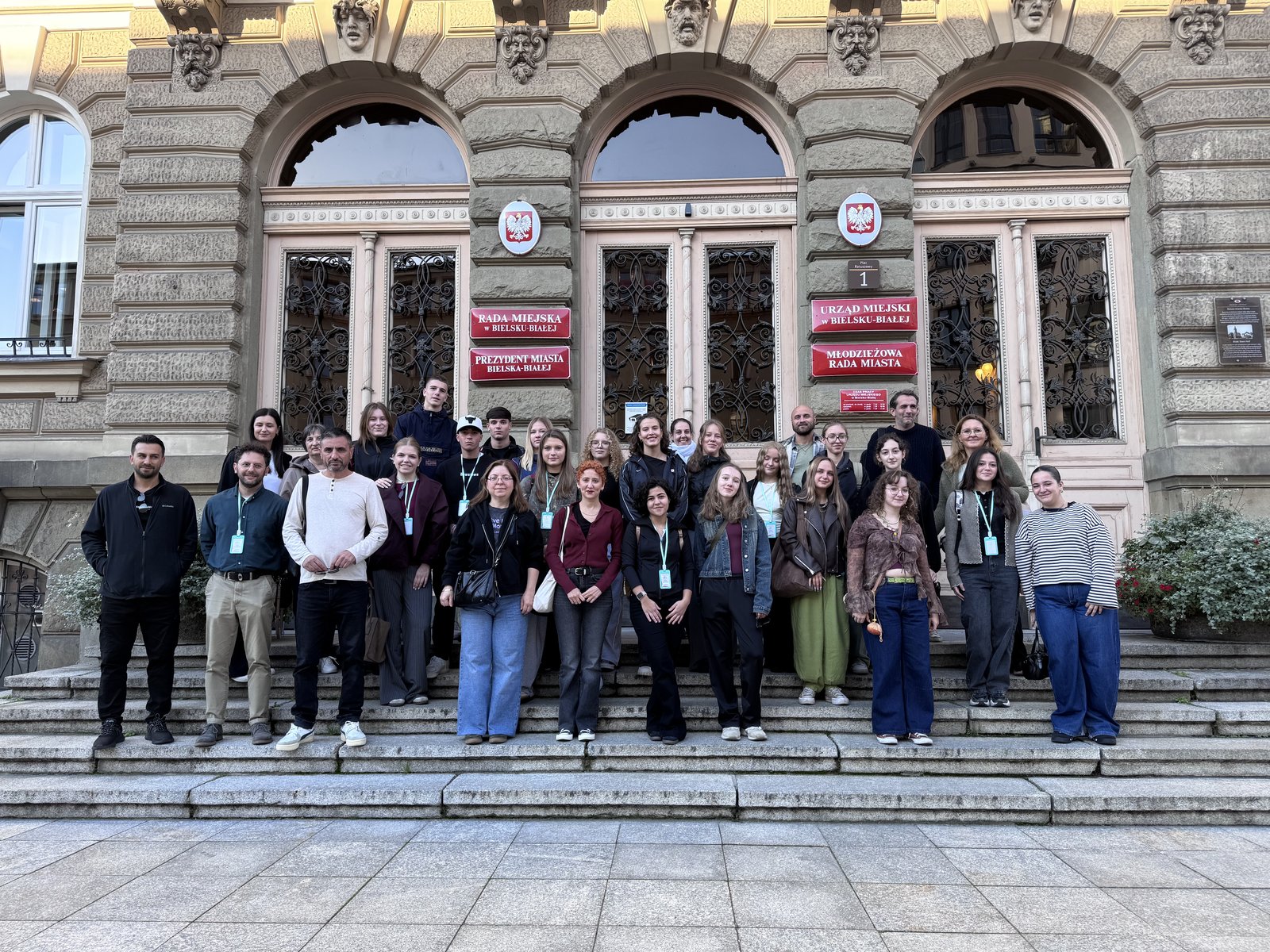
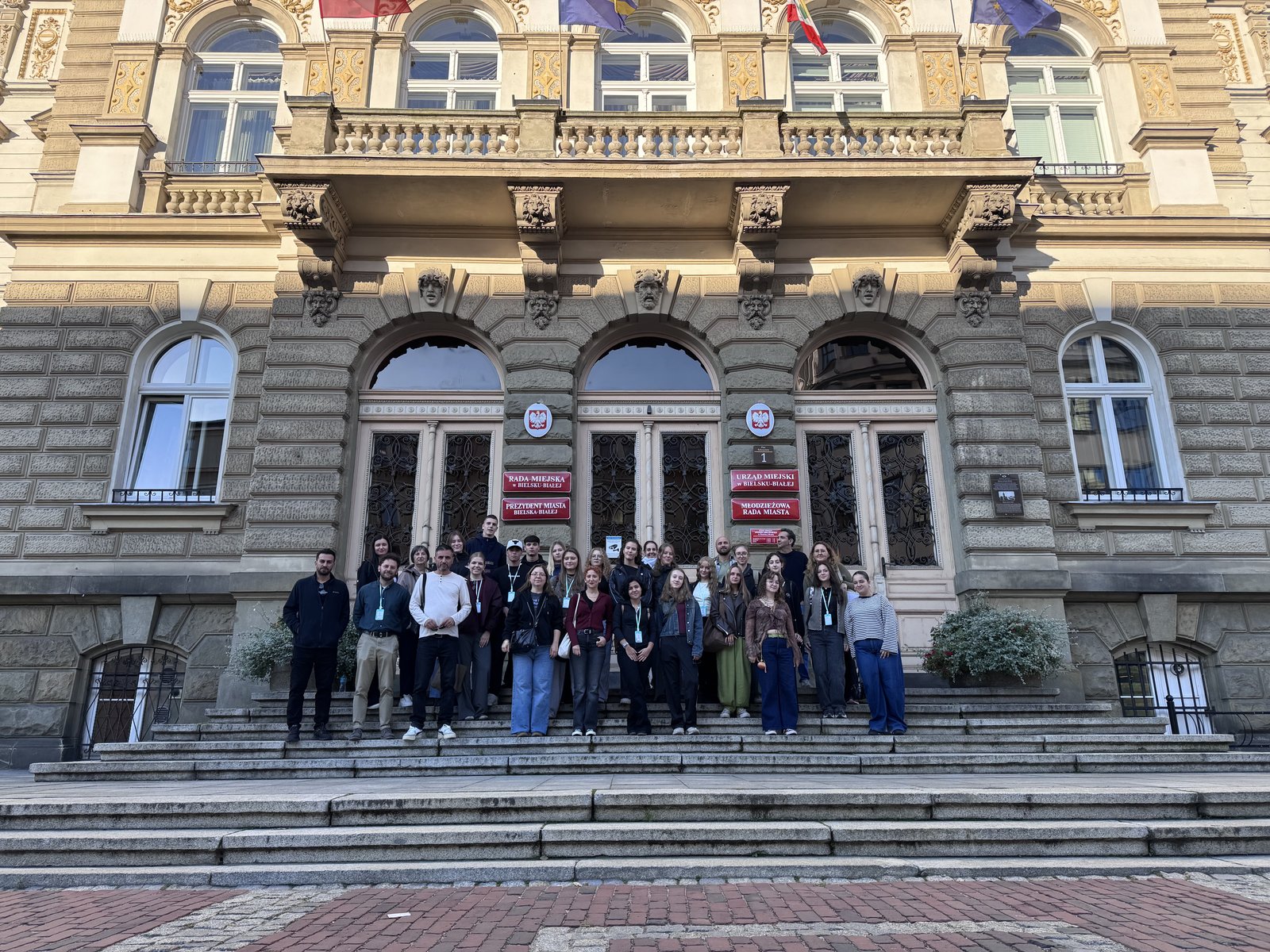
From September 28 to October 2, 2026, Zespół Szkół Ogólnokształcących im. Stefana Żeromskiego in Bielsko-Biała hosted an international mobility event for students and teachers under the Erasmus+ project "HEALTHY AND YOUNG." The week-long program focused on food waste prevention, zero-waste practices, circular economy initiatives, and environmental education.
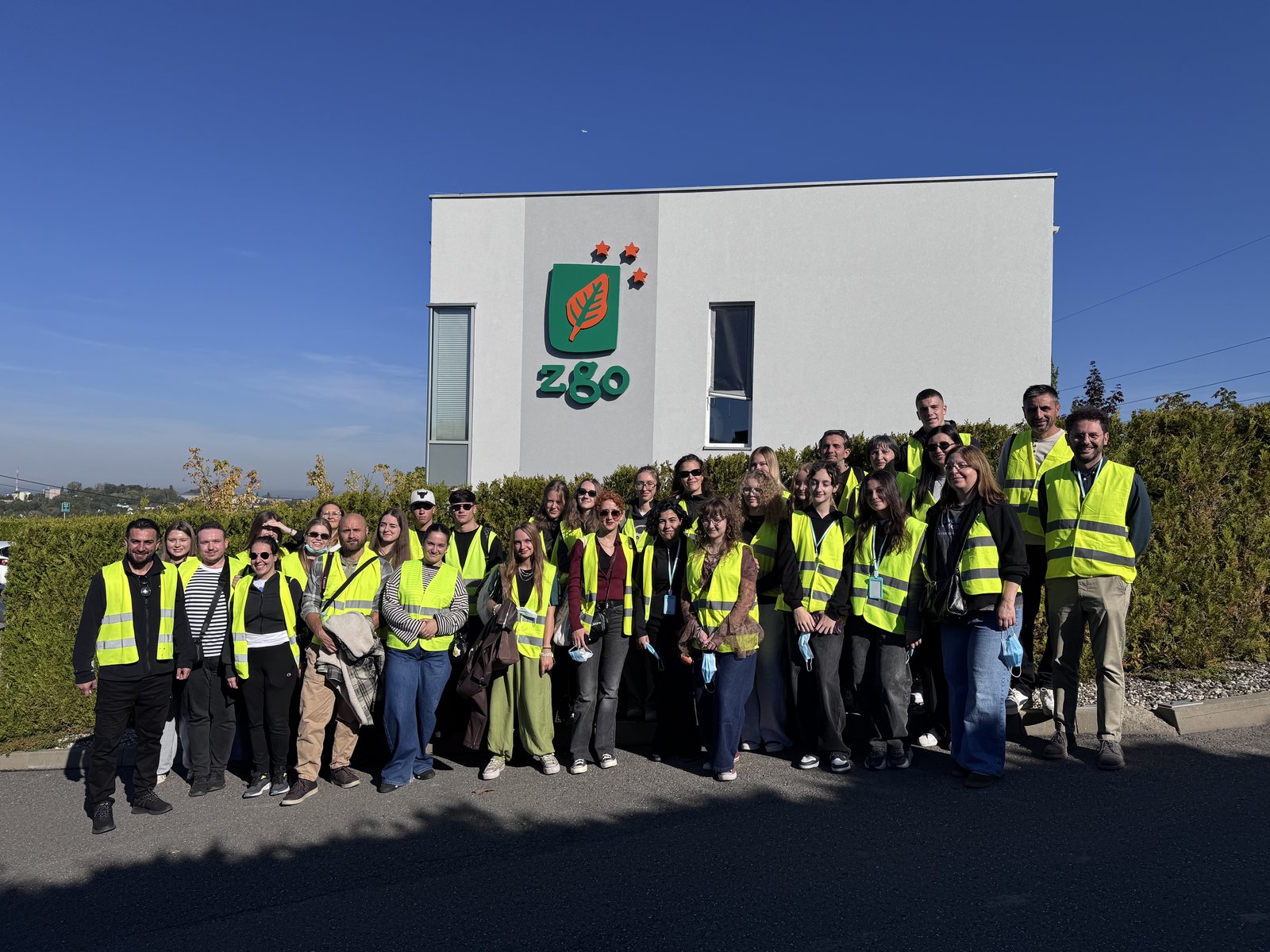
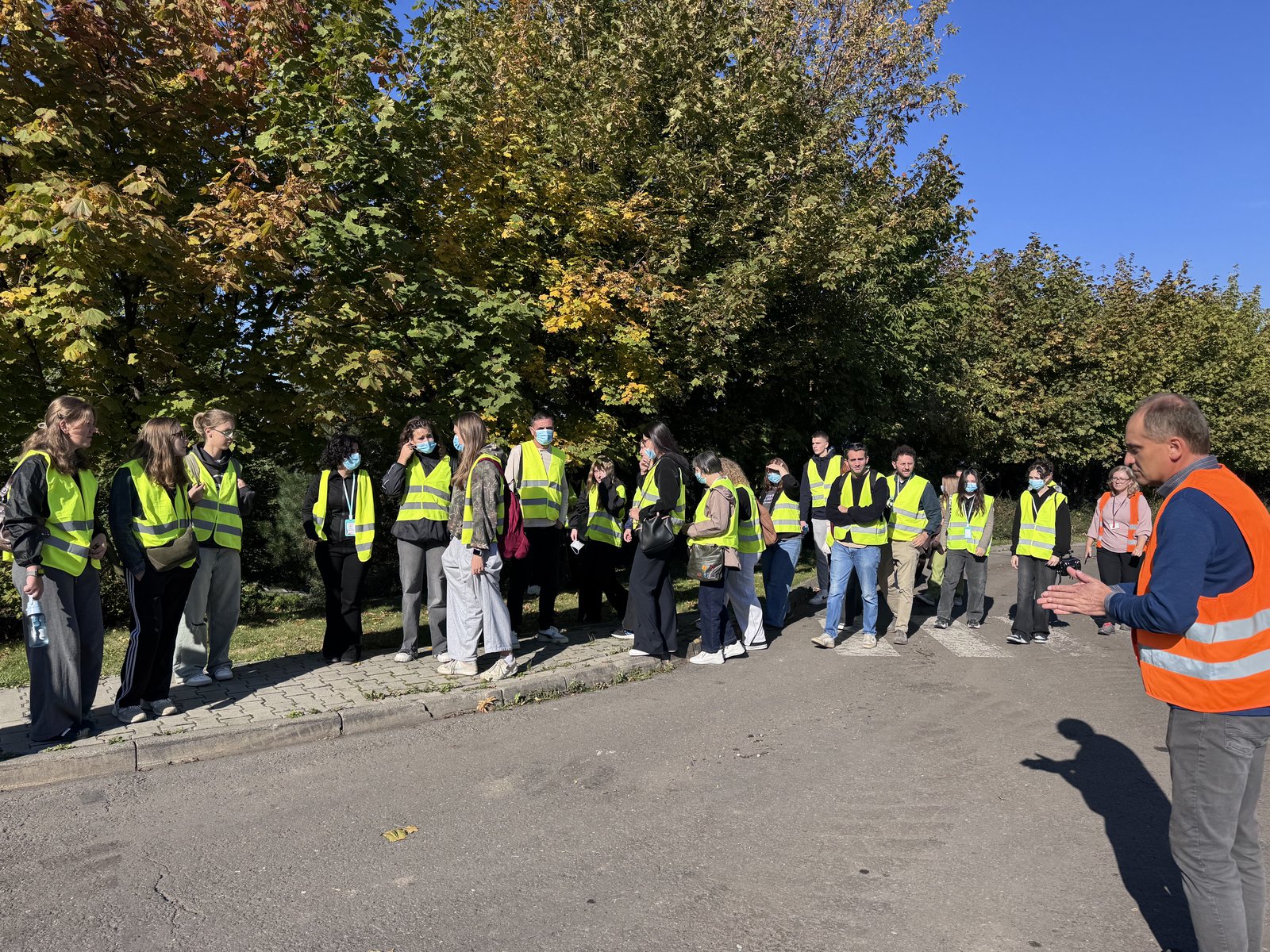
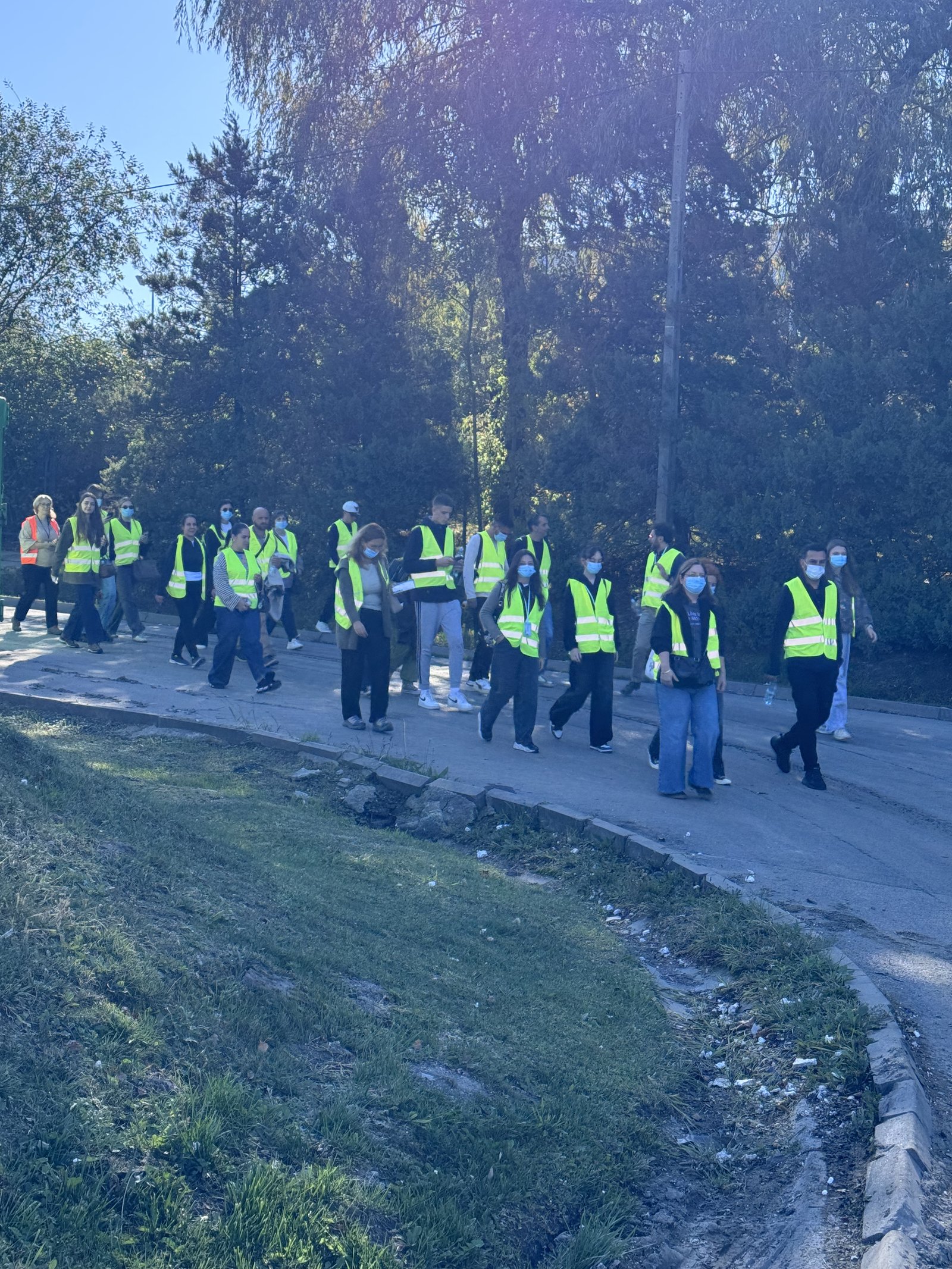
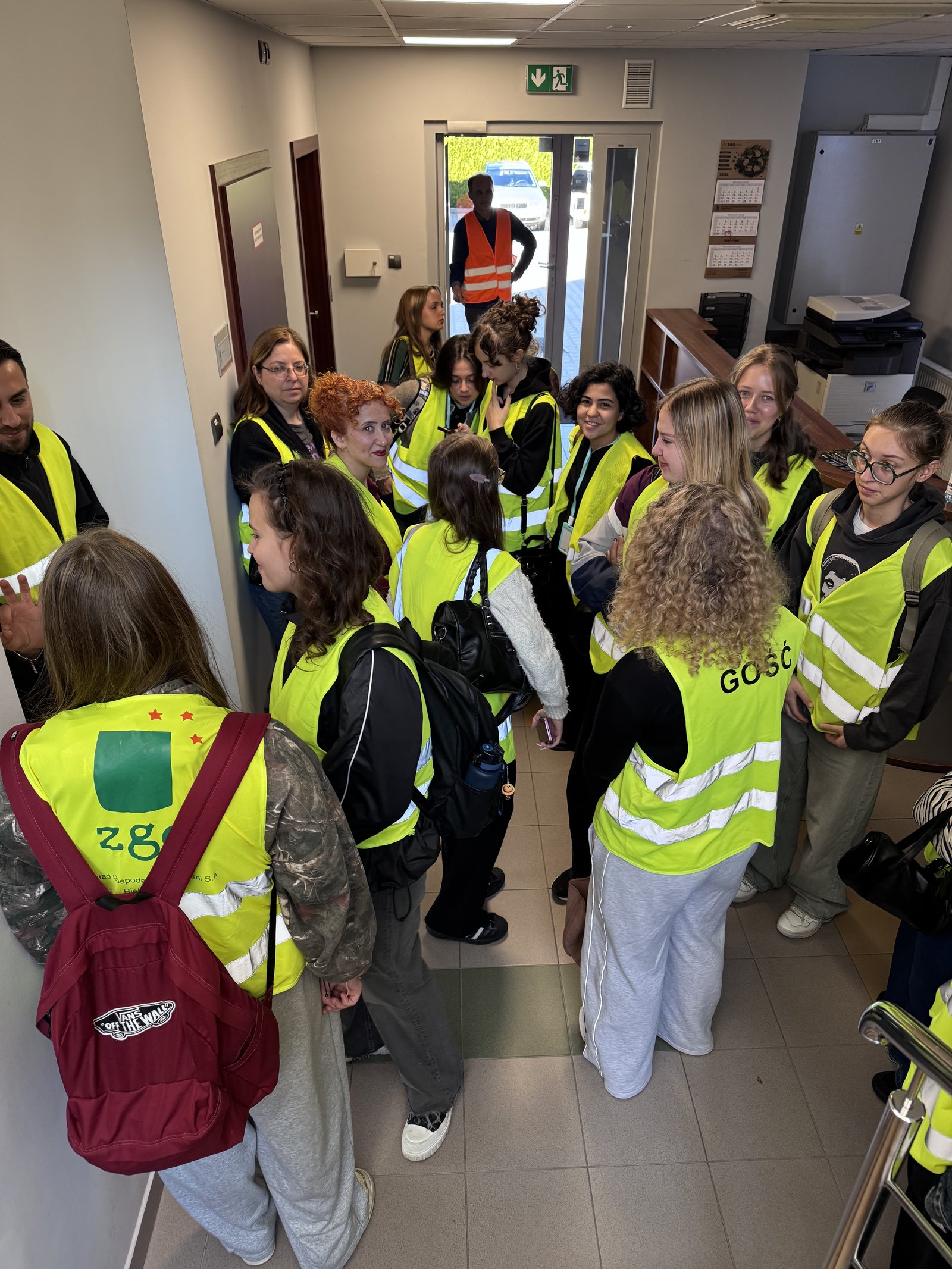
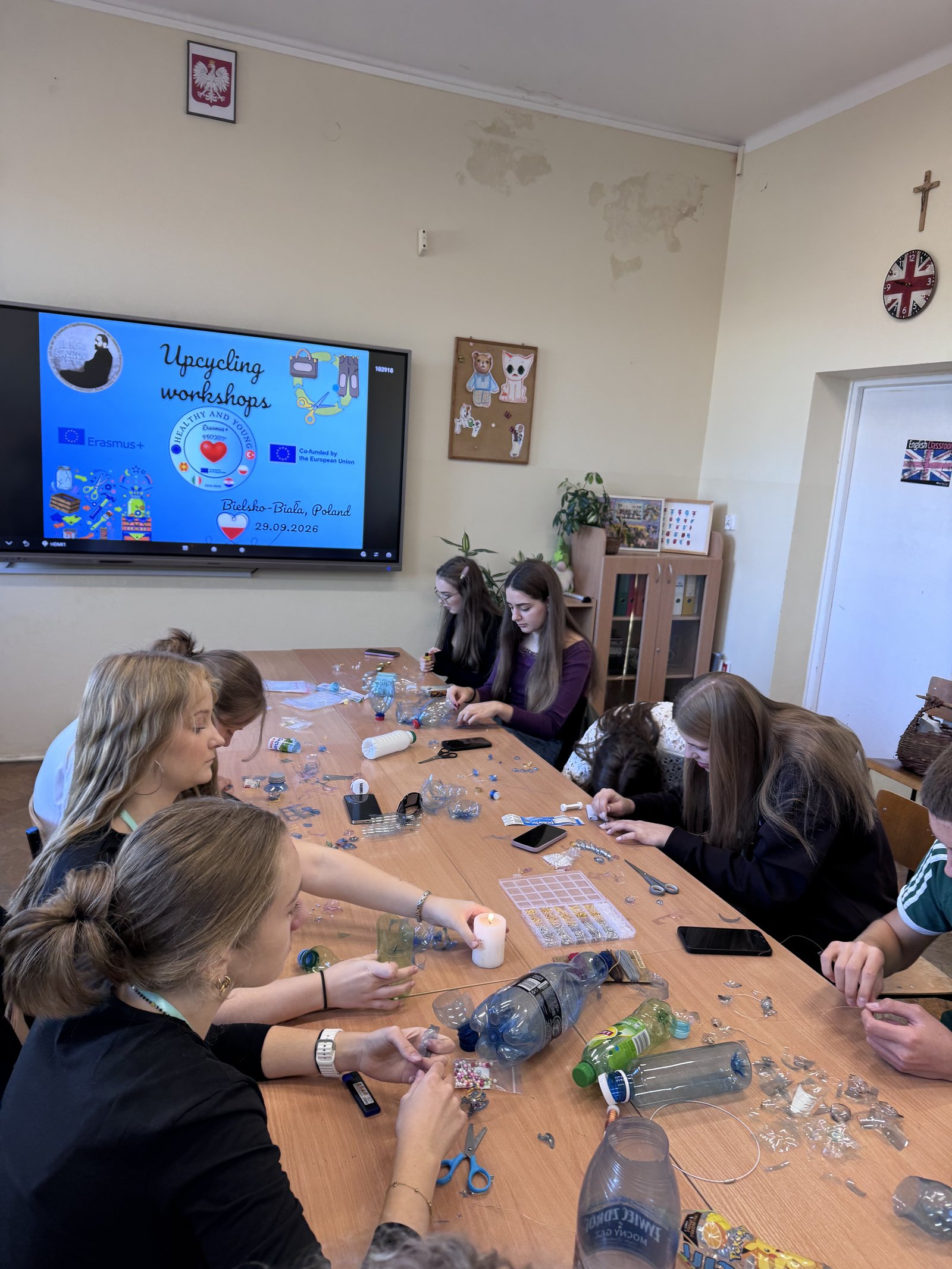
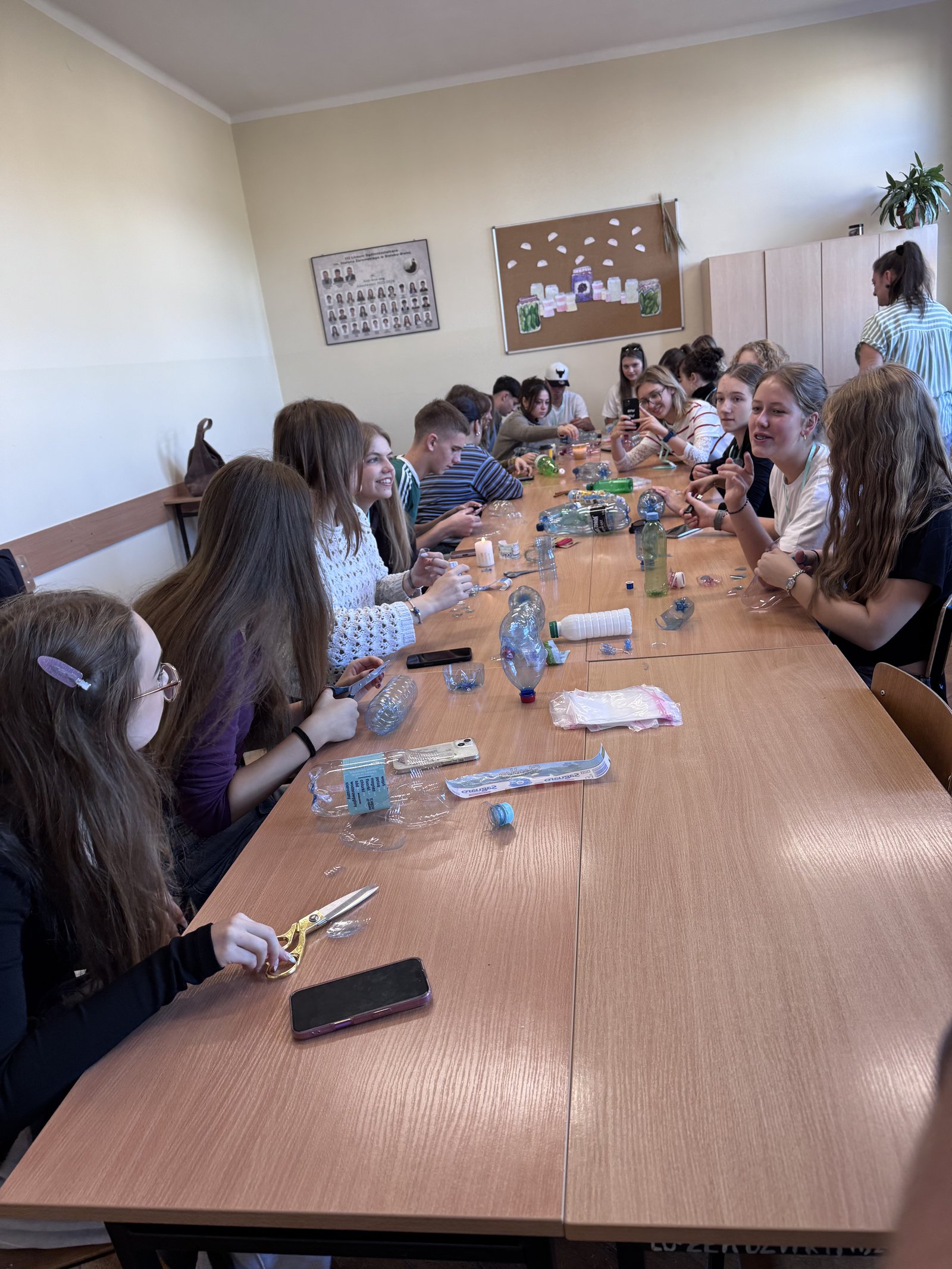
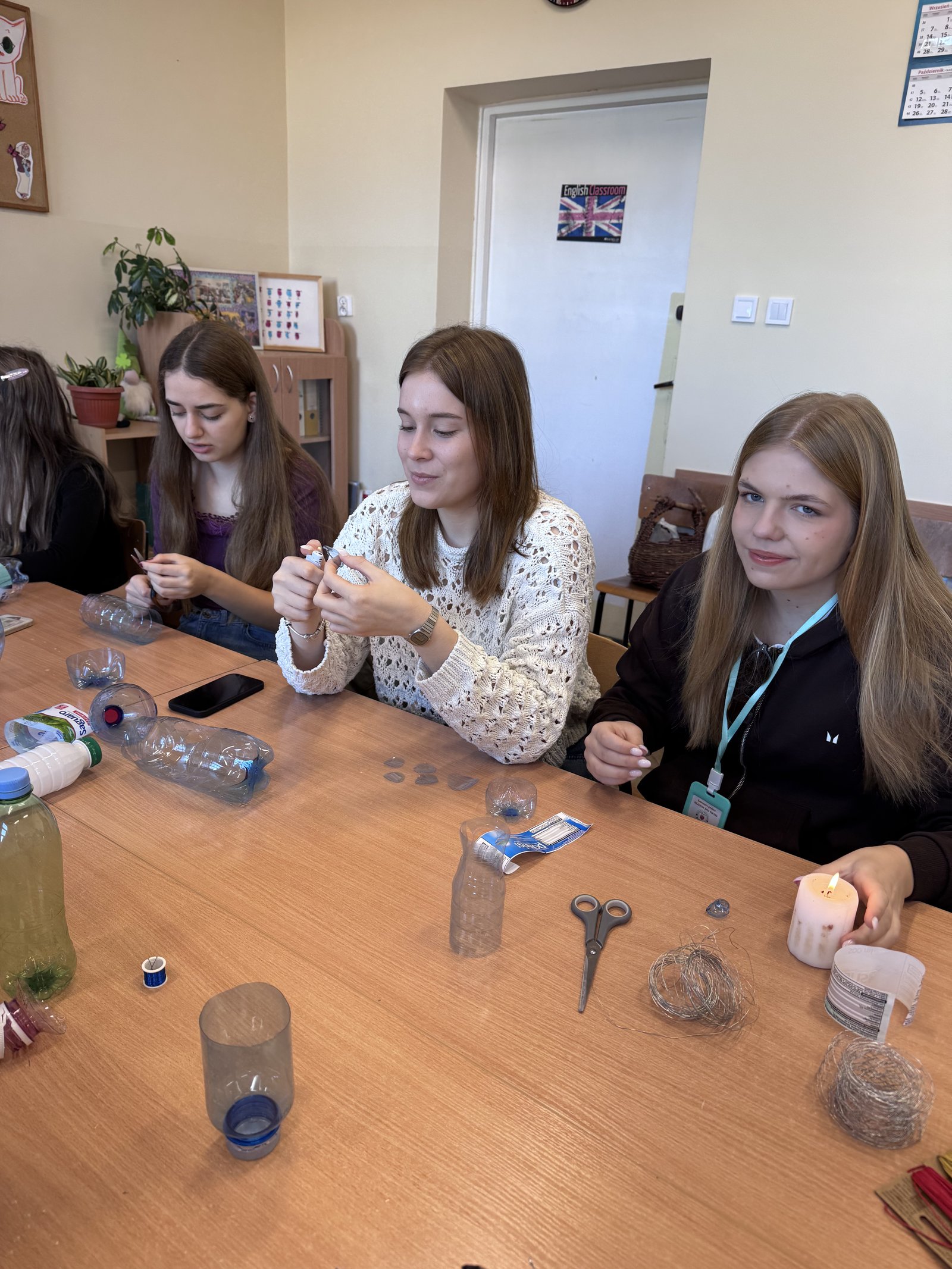
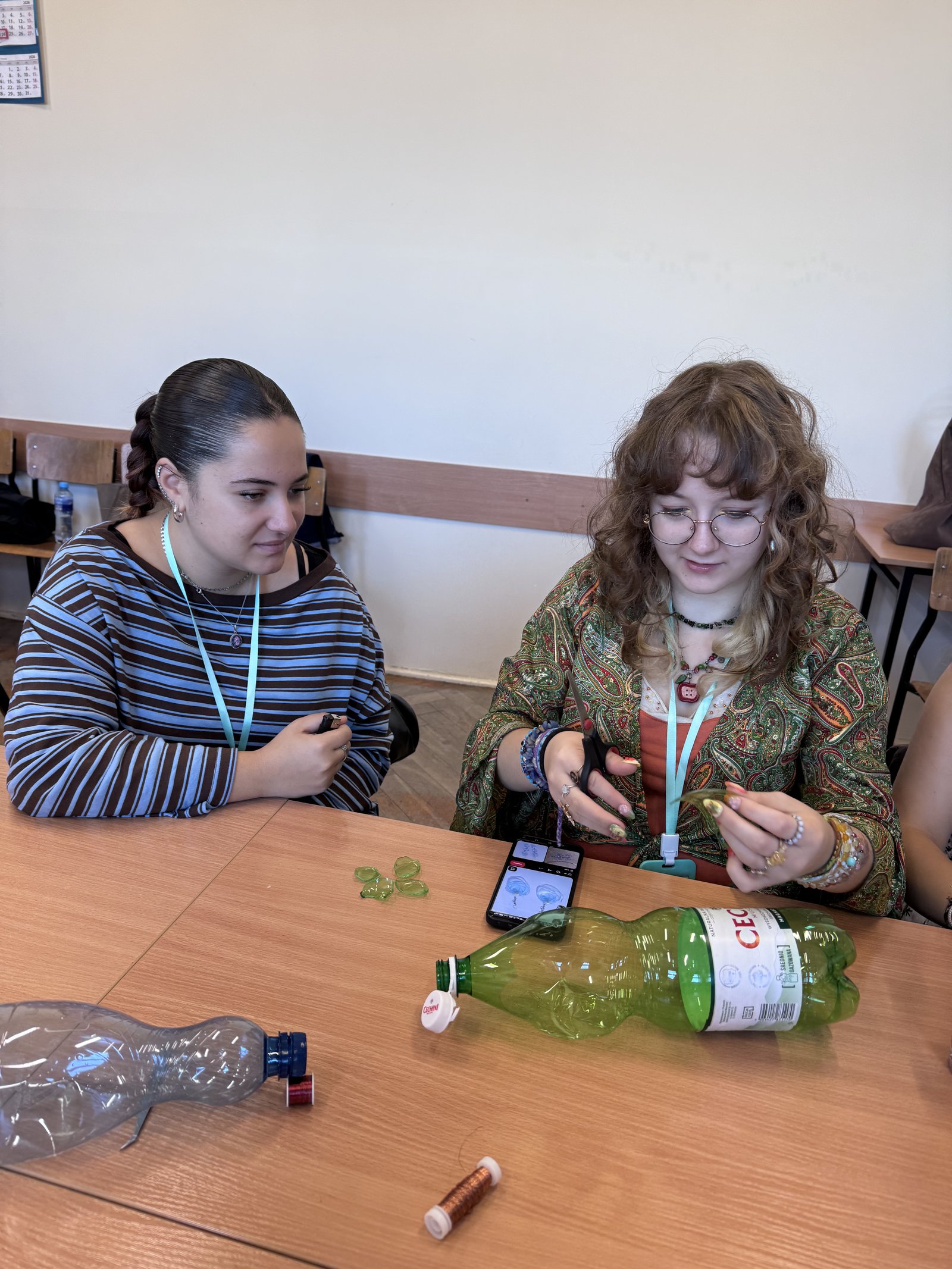
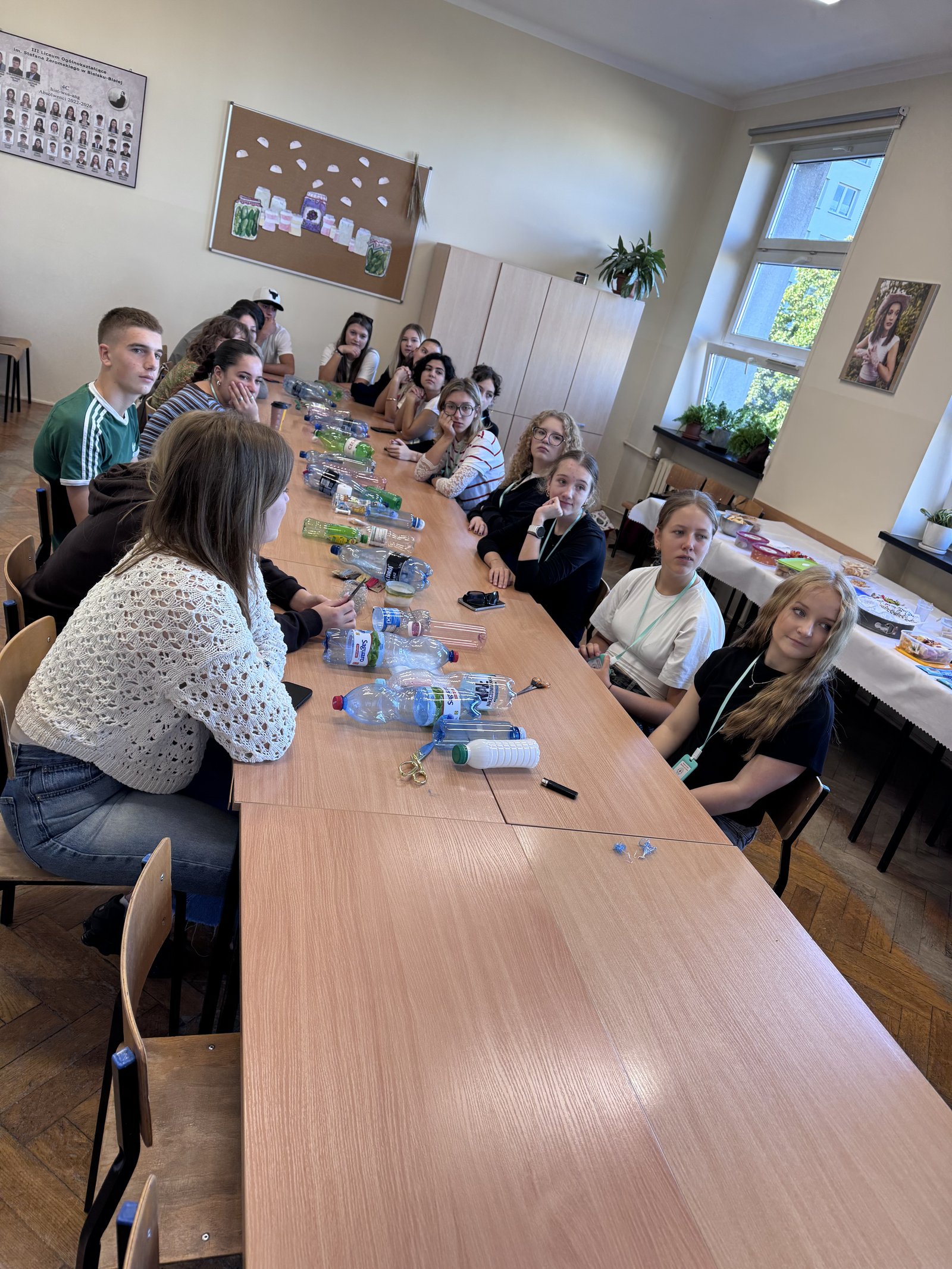
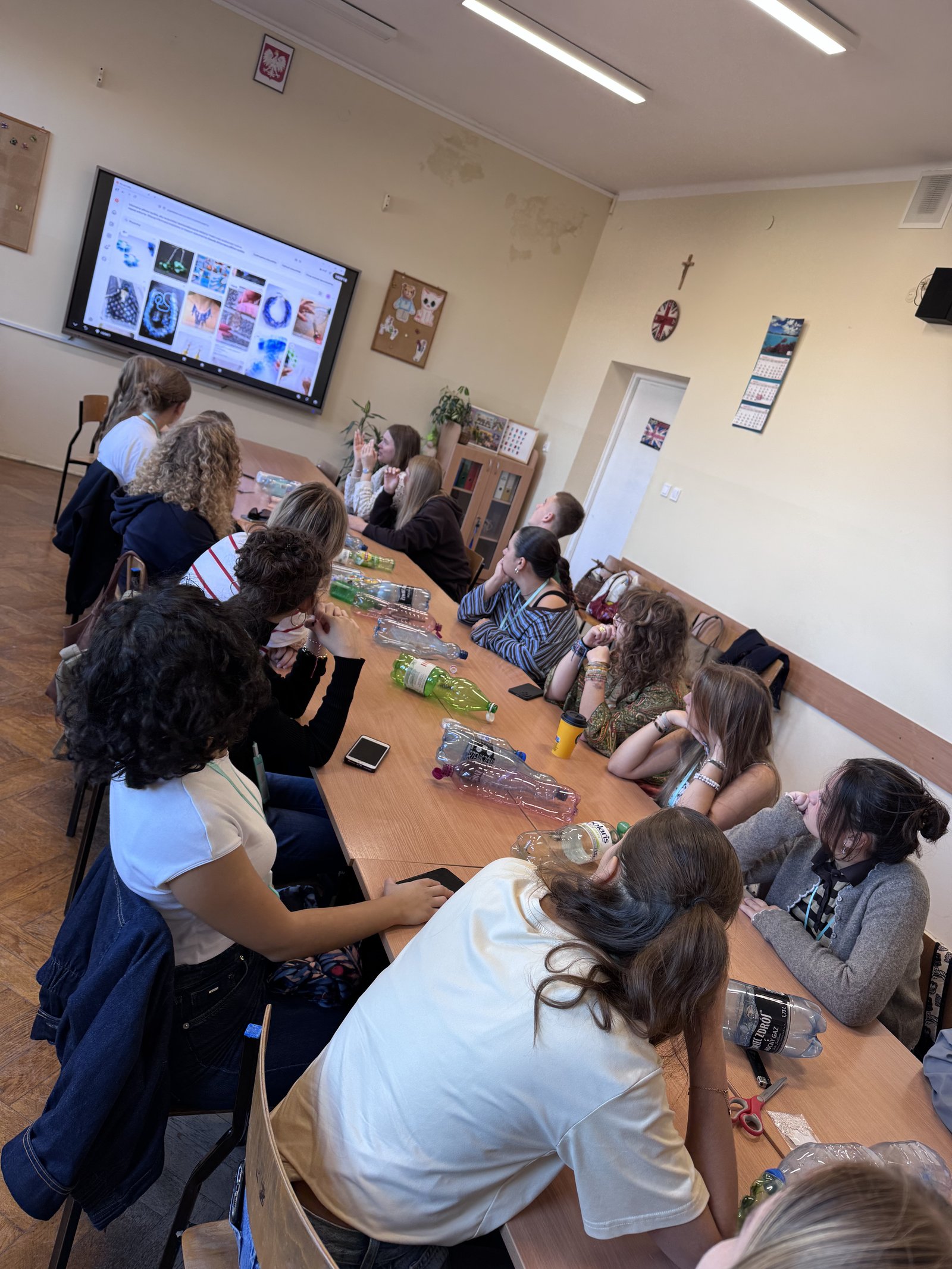
The program began on Monday with a deep dive into waste management and resource recovery. Participants visited the Waste Management Facility, where guides Katarzyna Olek and Environmental Protection Director Piotr Prochot demonstrated technologies used for recovering recyclable materials and converting organic (BIO) waste into compost. The working portion of the day continued with a hands-on upcycling workshop led by teacher Katarzyna Matuszek, where students transformed discarded plastic bottles and wire into jewelry, keychains, and decorative items.
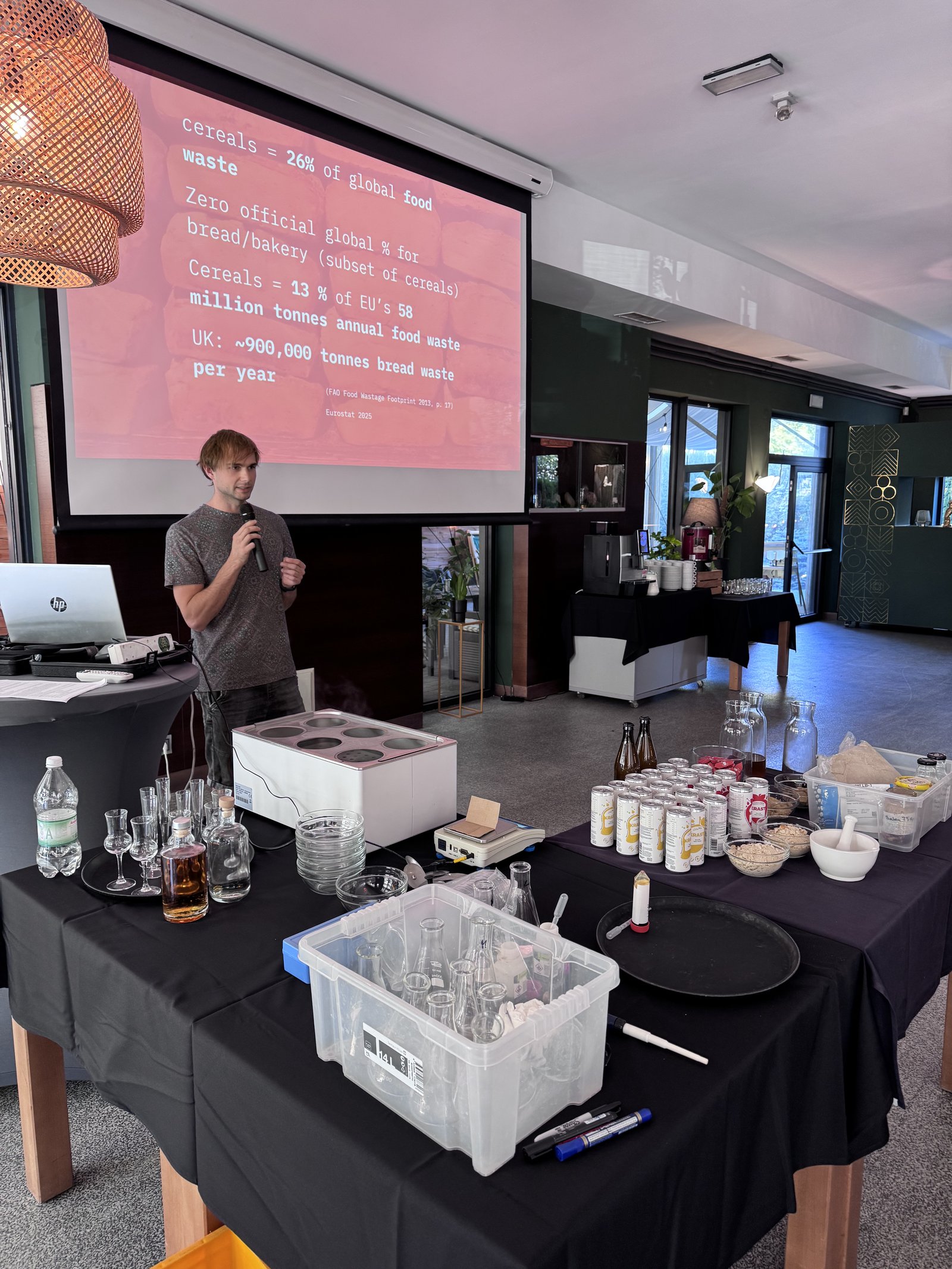
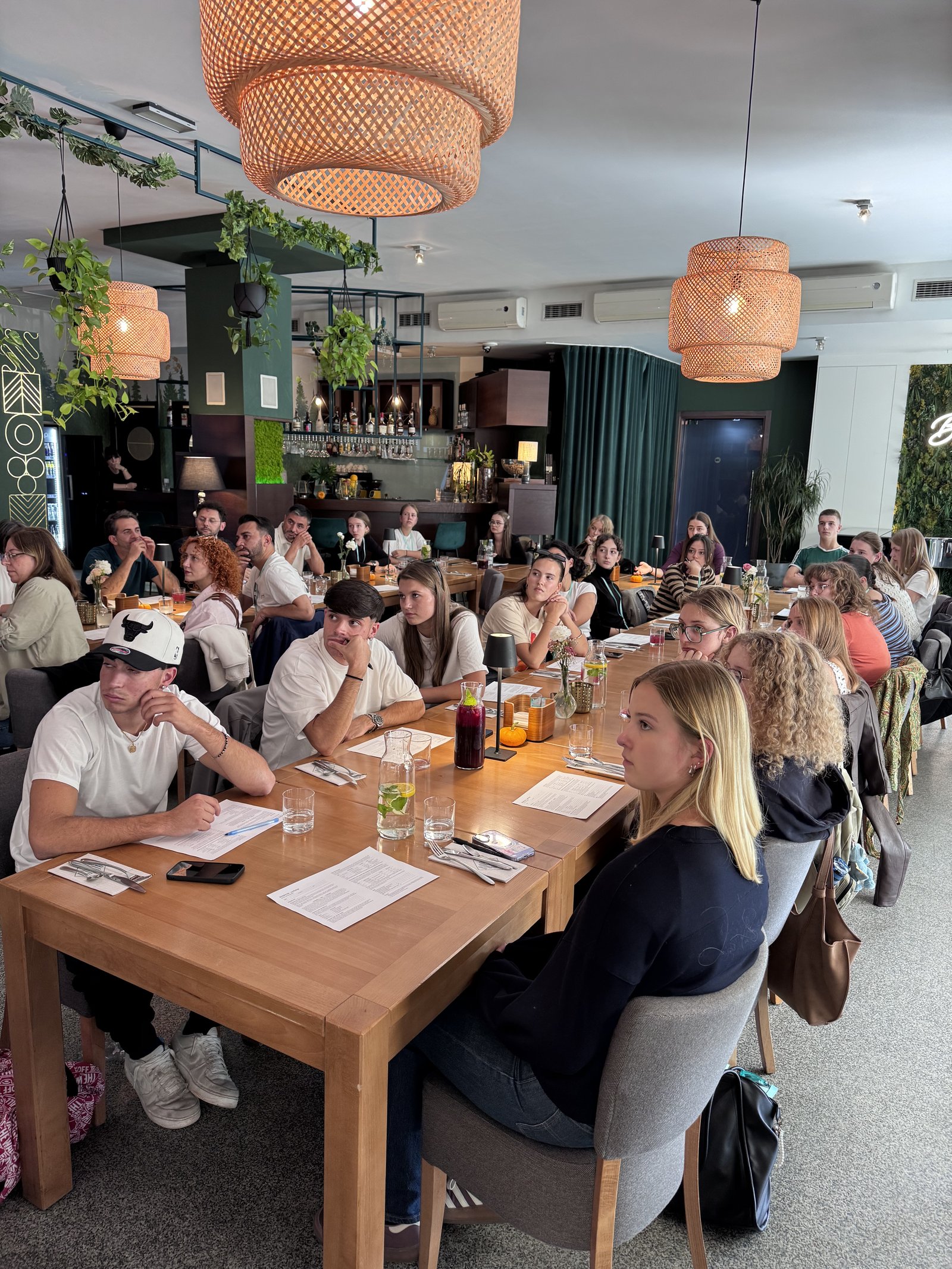
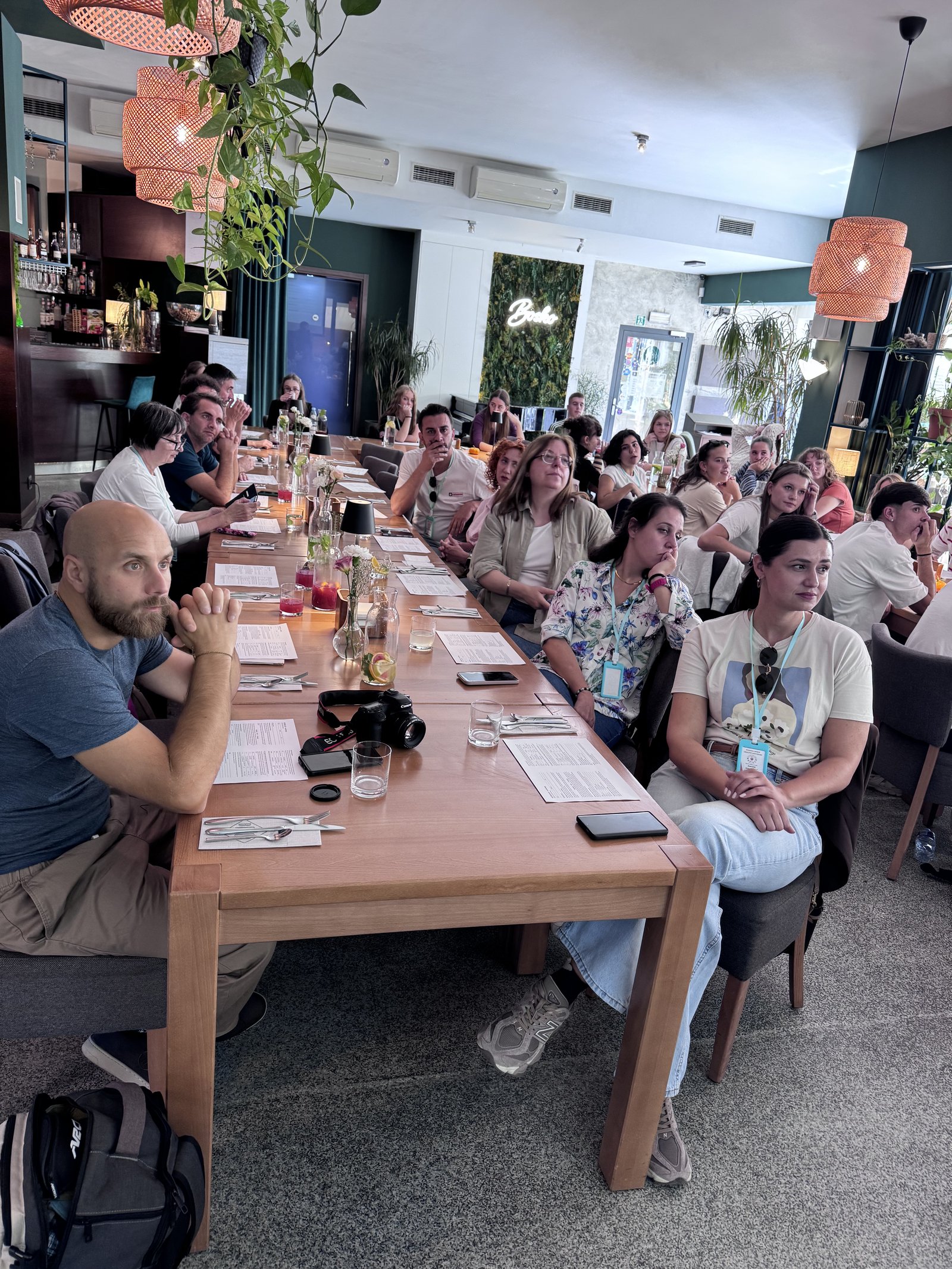
Tuesday was dedicated to circular economy solutions for food waste, specifically addressing surplus bread production. Through the support of Bartłomiej Rak, CEO of REBREAD, participants attended the workshop "Bread Processing – From Waste to Raw Material," led by quality controller and fungi expert Krzysztof Sikorski. Students examined the breakdown of starches and sugars using specialized laboratory equipment to understand industrial upcycling. The day concluded with a zero-waste lunch at restaurant Bosco, where every ingredient was fully utilized across the dishes served.
Wednesday centered on sustainable culinary practices and conscious consumption at the Gastronomy School Complex (Zespół Szkół Gastronomicznych). Led by Barbara Ormaniec, students participated in a zero-waste cooking workshop focused on resource conservation and practical recipe adaptation. The afternoon featured an interactive lecture on the environmental impacts of fast fashion by Aleksandra Tarnawa from "Punkt 11," sparking discussions on garment reuse, textile upcycling, and sustainable consumer choices.
On Thursday, educational activities took place at the "Ekosynteza" (Ecosynthesis) Centre for Ecological Education. Under the guidance of health education teacher Patrycja Willmann, students analyzed the global drivers of food waste, explored practical prevention strategies, and created awareness posters advocating against global hunger. The afternoon provided an opportunity for environmental exploration during an excursion to Szyndzielnia Mountain in the Beskid range.
The final day of the program, Friday, combined cultural heritage with environmental study in Kraków. Participants toured the city's historical landmarks and visited the Jagiellonian University Botanical Garden to examine local plant species and conservation efforts. Following final reflections and evaluation sessions, the gathering concluded after an enriching week of practical learning, sustainability workshops, and international collaboration.
This mobility once again confirmed the value of the Erasmus+ program in fostering environmental responsibility and global awareness among youth. Beyond gaining technical knowledge on zero-waste strategies and ecological preservation, participants enhanced their intercultural collaboration skills and built lasting international friendships.
Official Photo Gallery (16 Photographs)
ZSO im. Stefana Żeromskiego
Bielsko-Biała, Poland