 Host: Croatia • Metković
Gimnazija Metković Hosts Partners for Erasmus+ Project "HEALTHY AND YOUNG"
Third Student Exchange on Eco-Farming, Wetlands, Split & Dubrovnik UNESCO Heritage
Gimnazija Metković Hosts Partners for Erasmus+ Project "HEALTHY AND YOUNG"
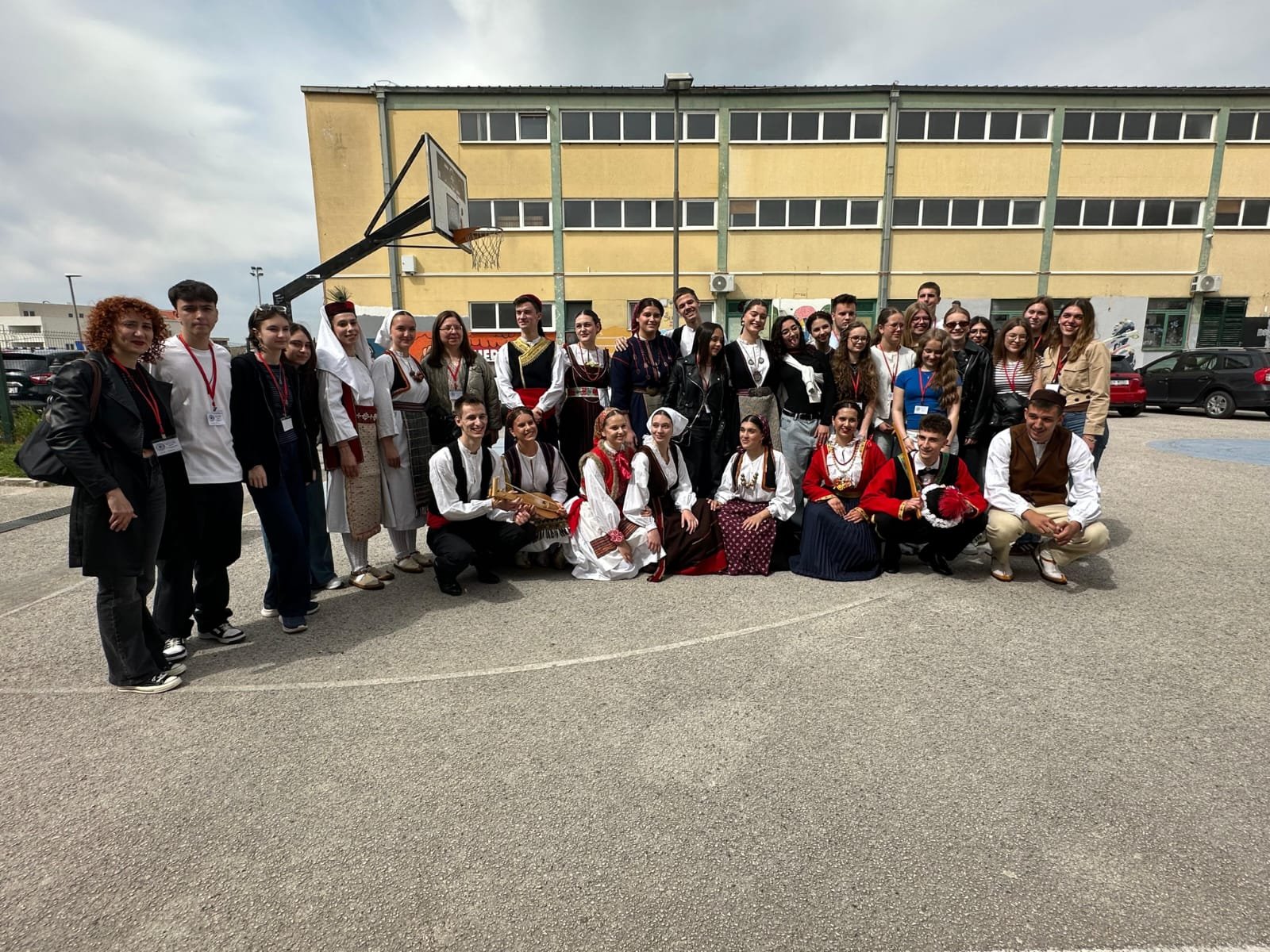
From April 13 to 17, 2026, Gimnazija Metković hosted an international mobility event for students and teachers. Seventeen students and fifteen teachers participated in the organization and implementation of the mobility. The focus of this exchange was organic farming, sustainable development, and cultural exchange.
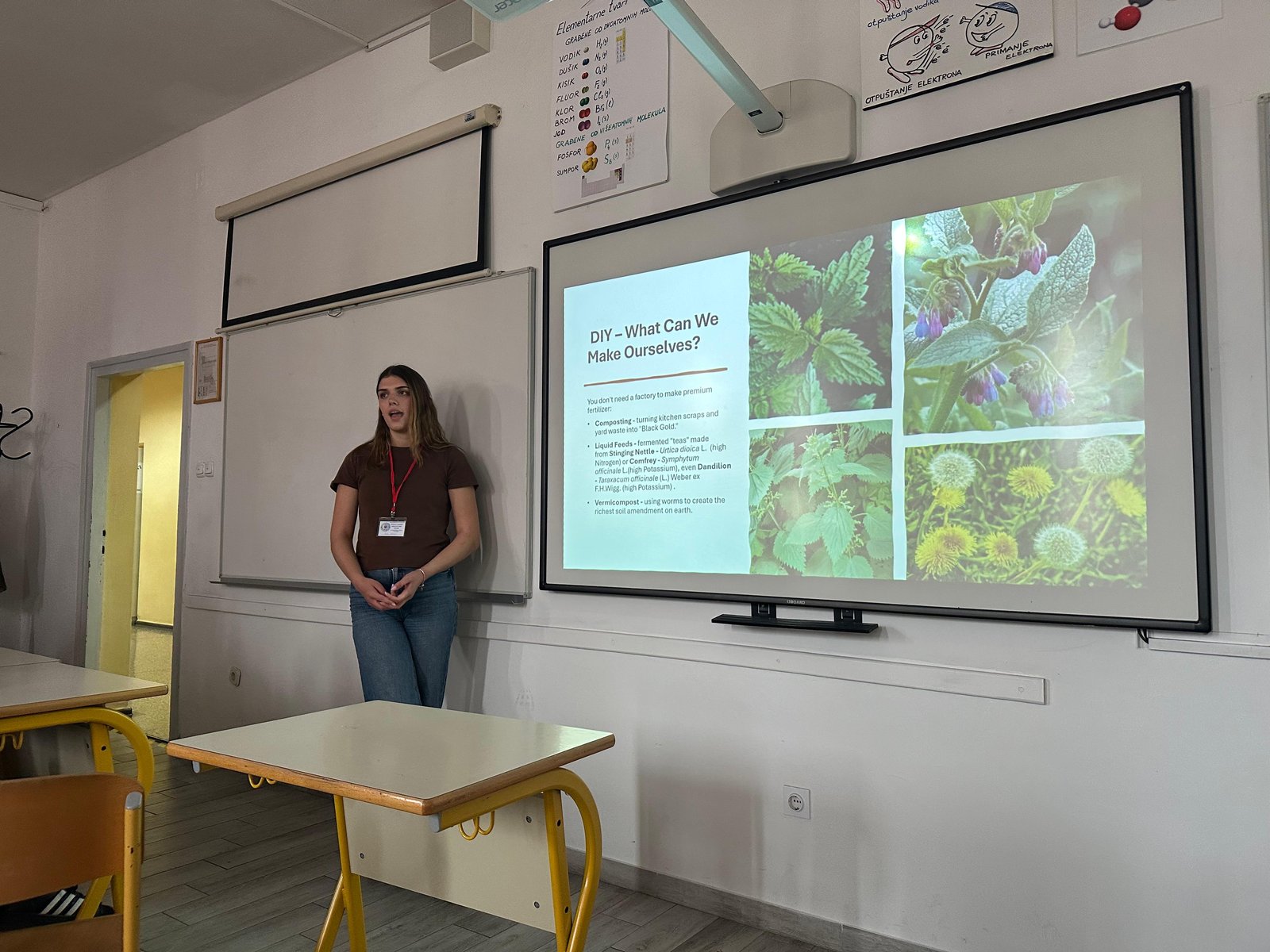
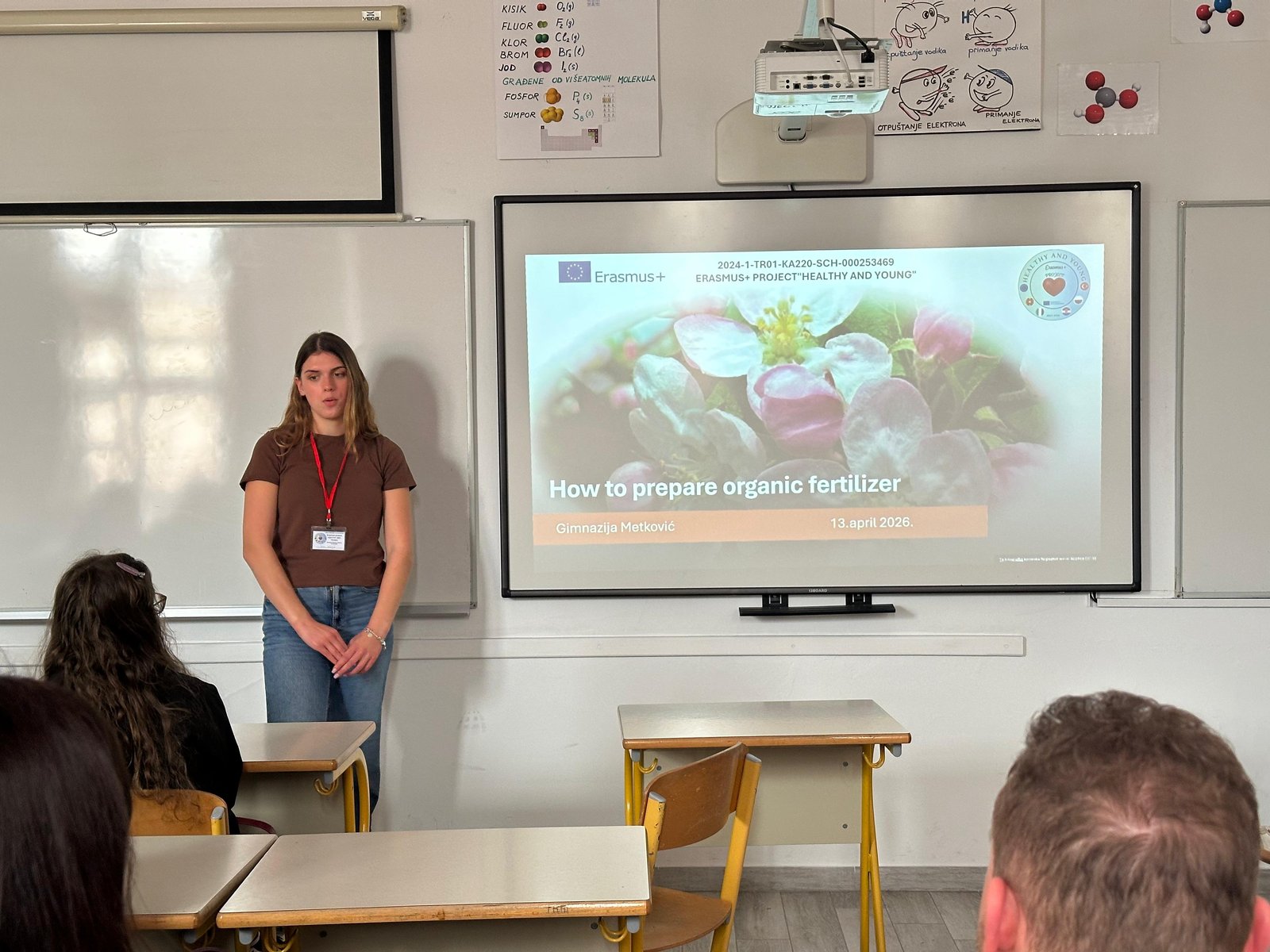
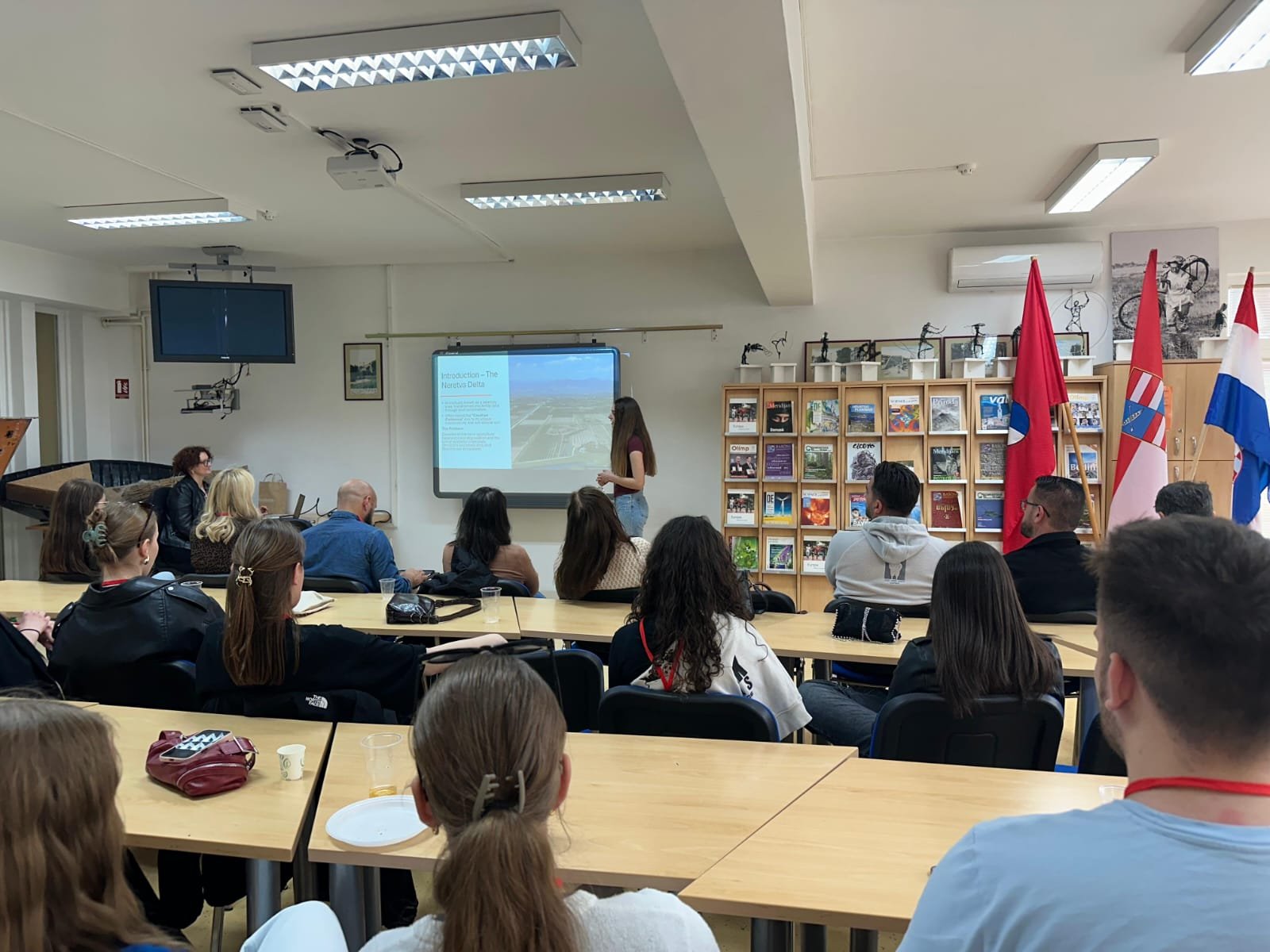
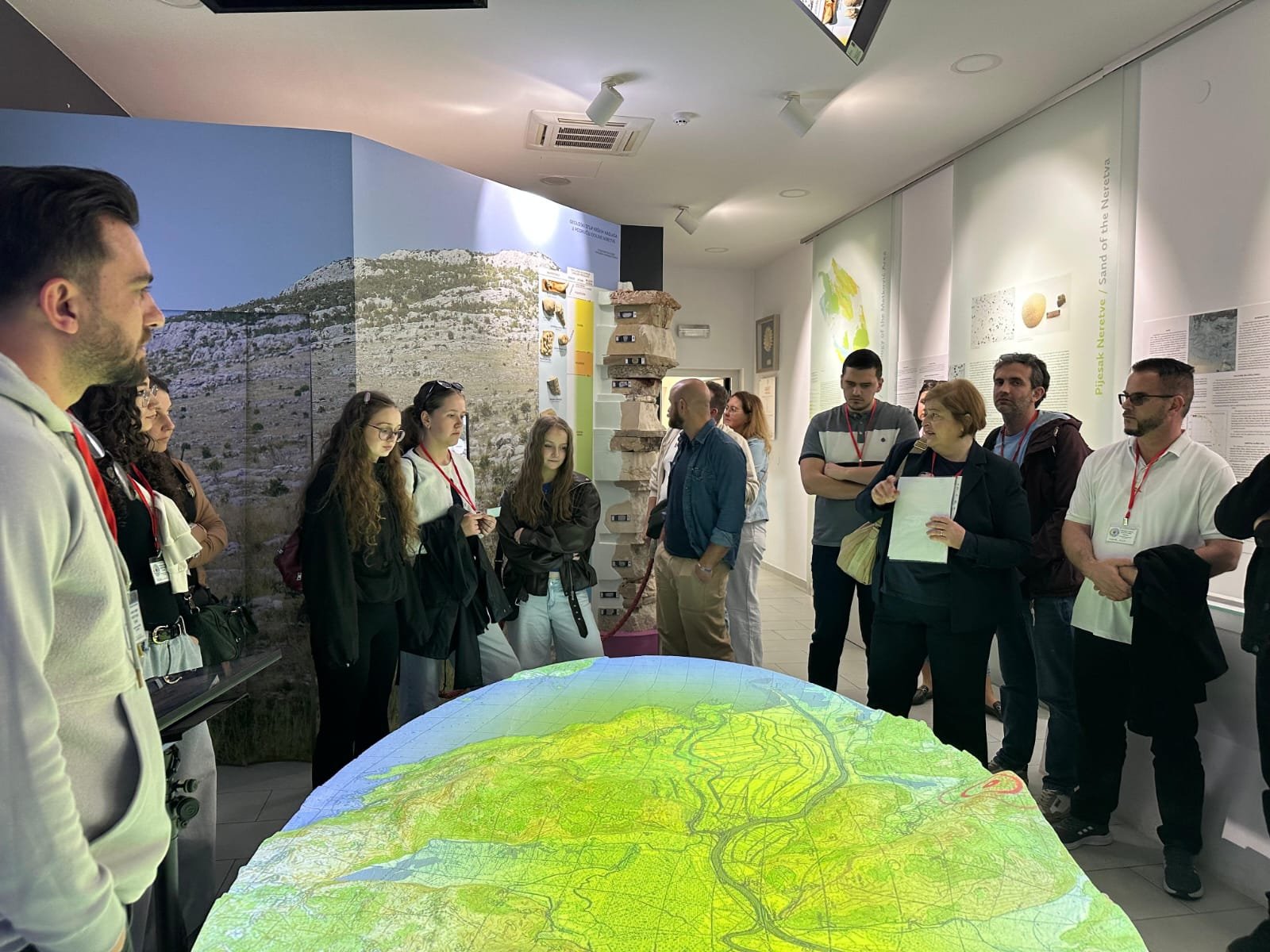
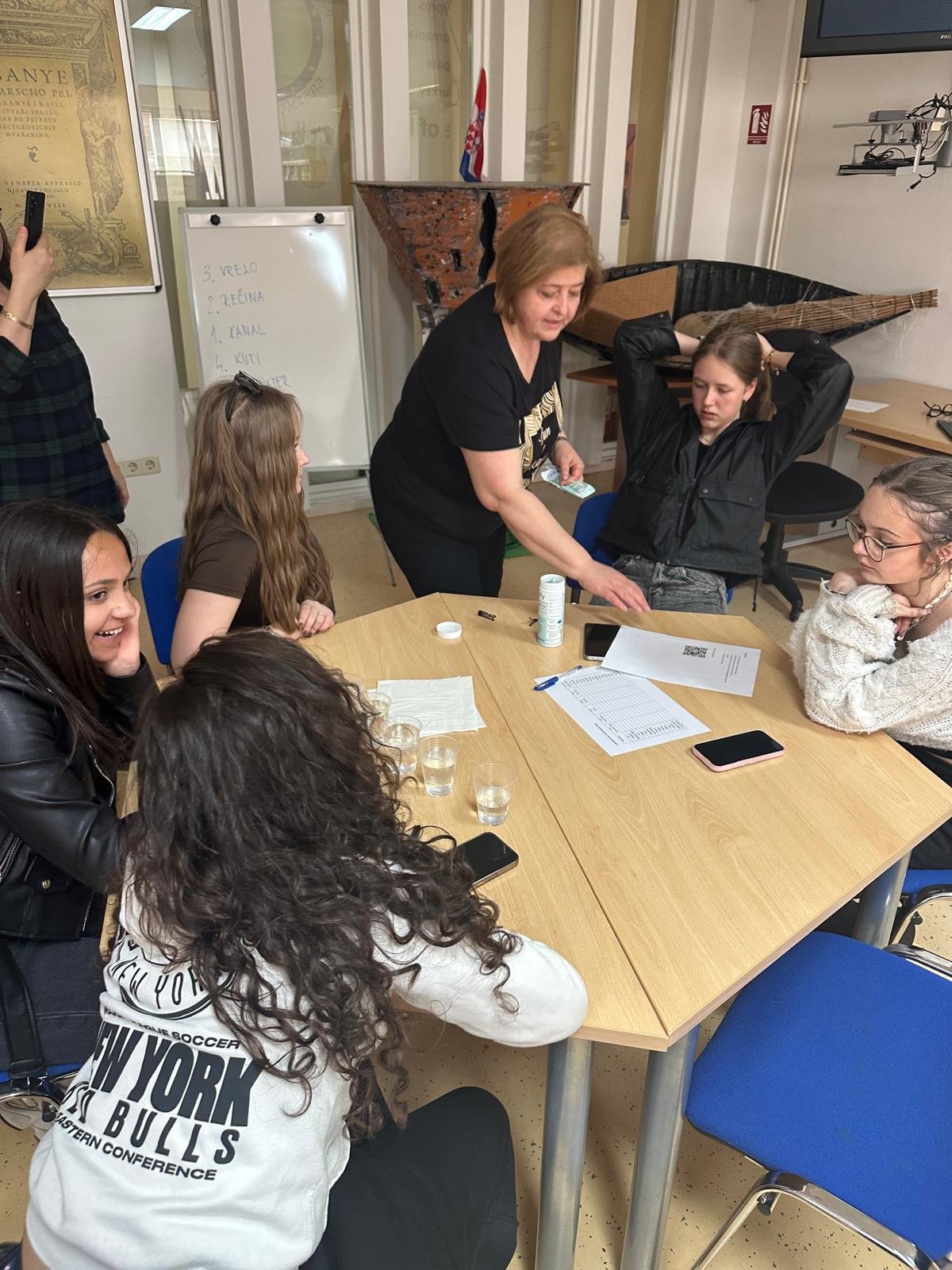
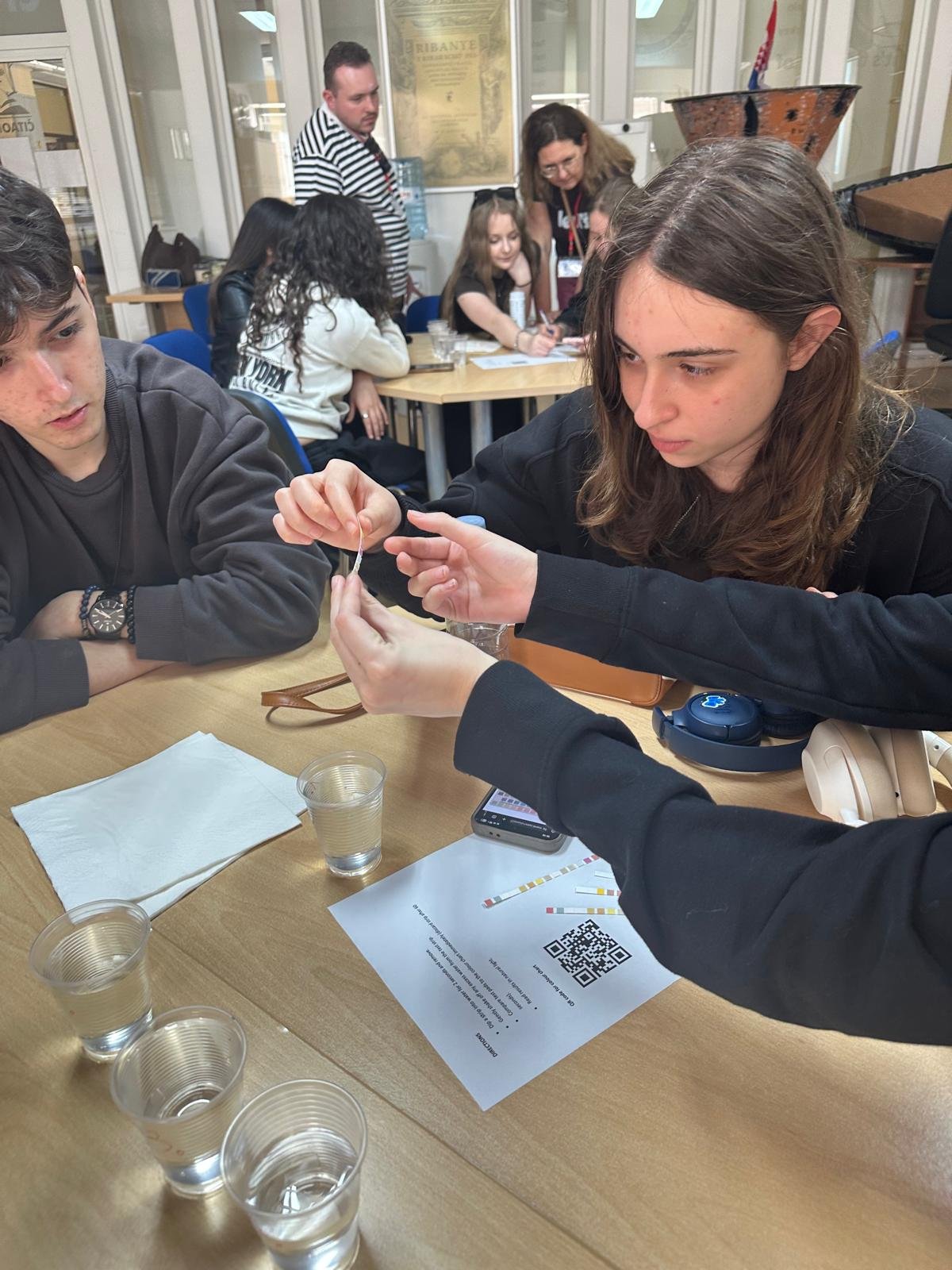
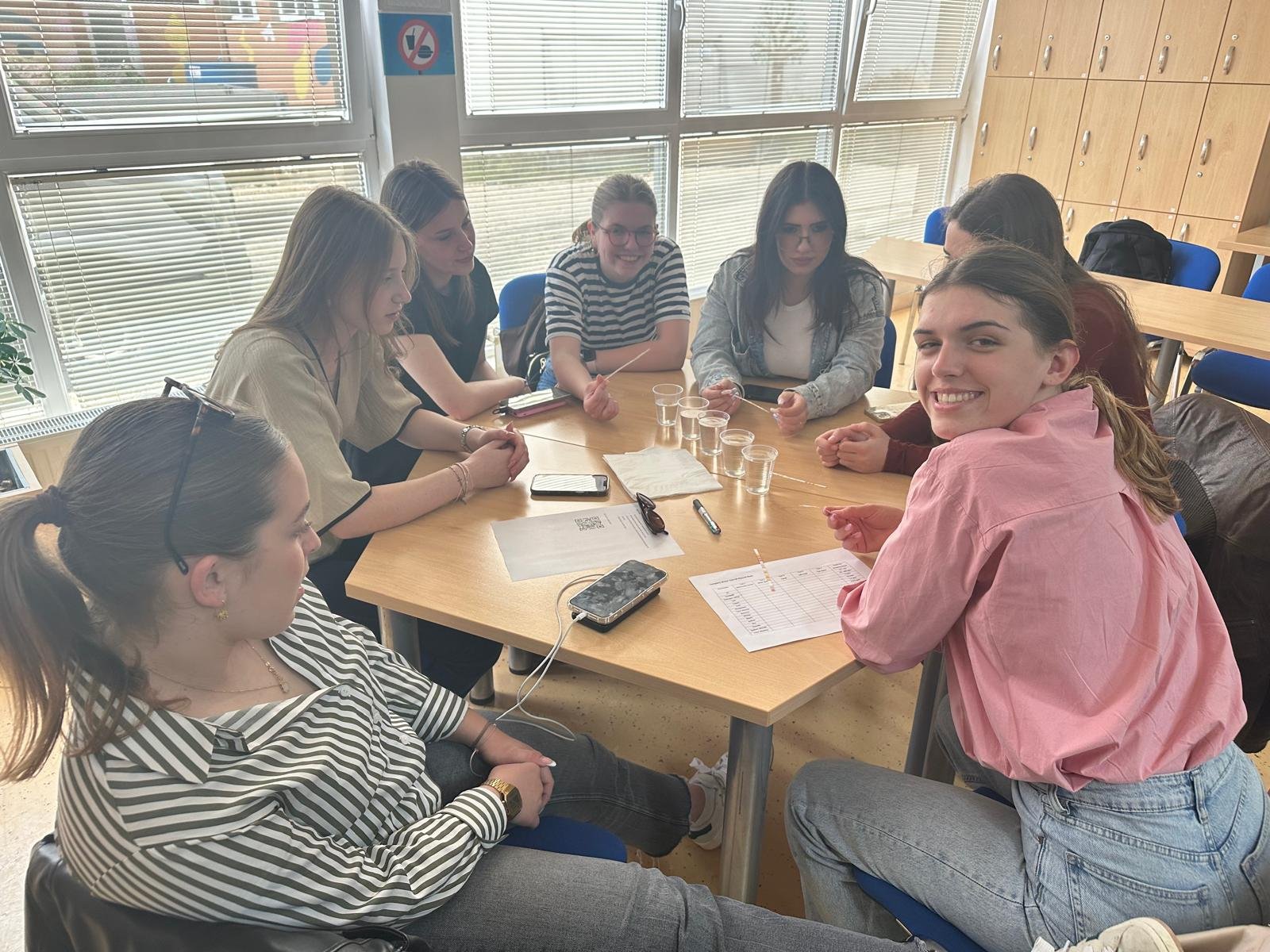
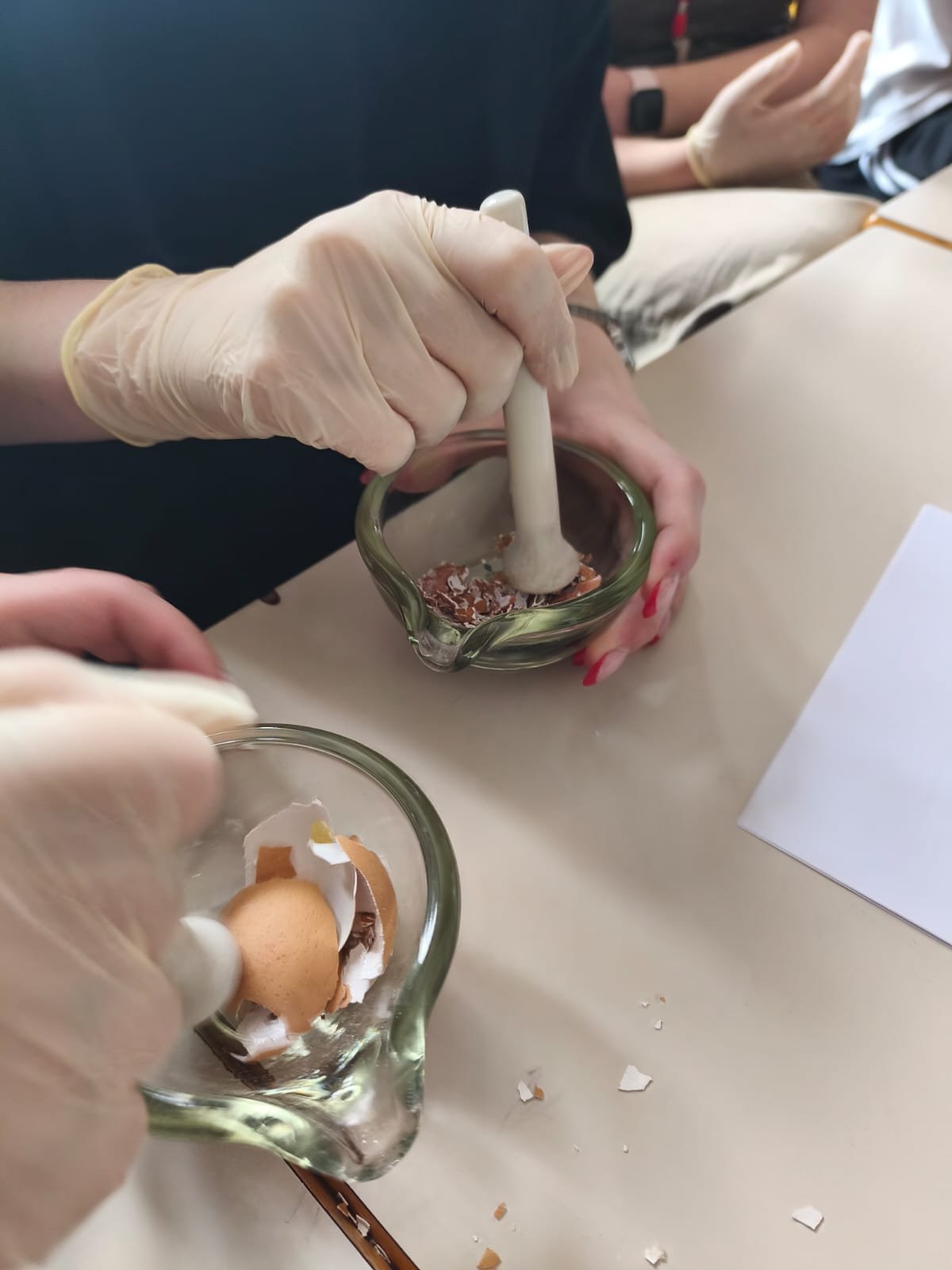
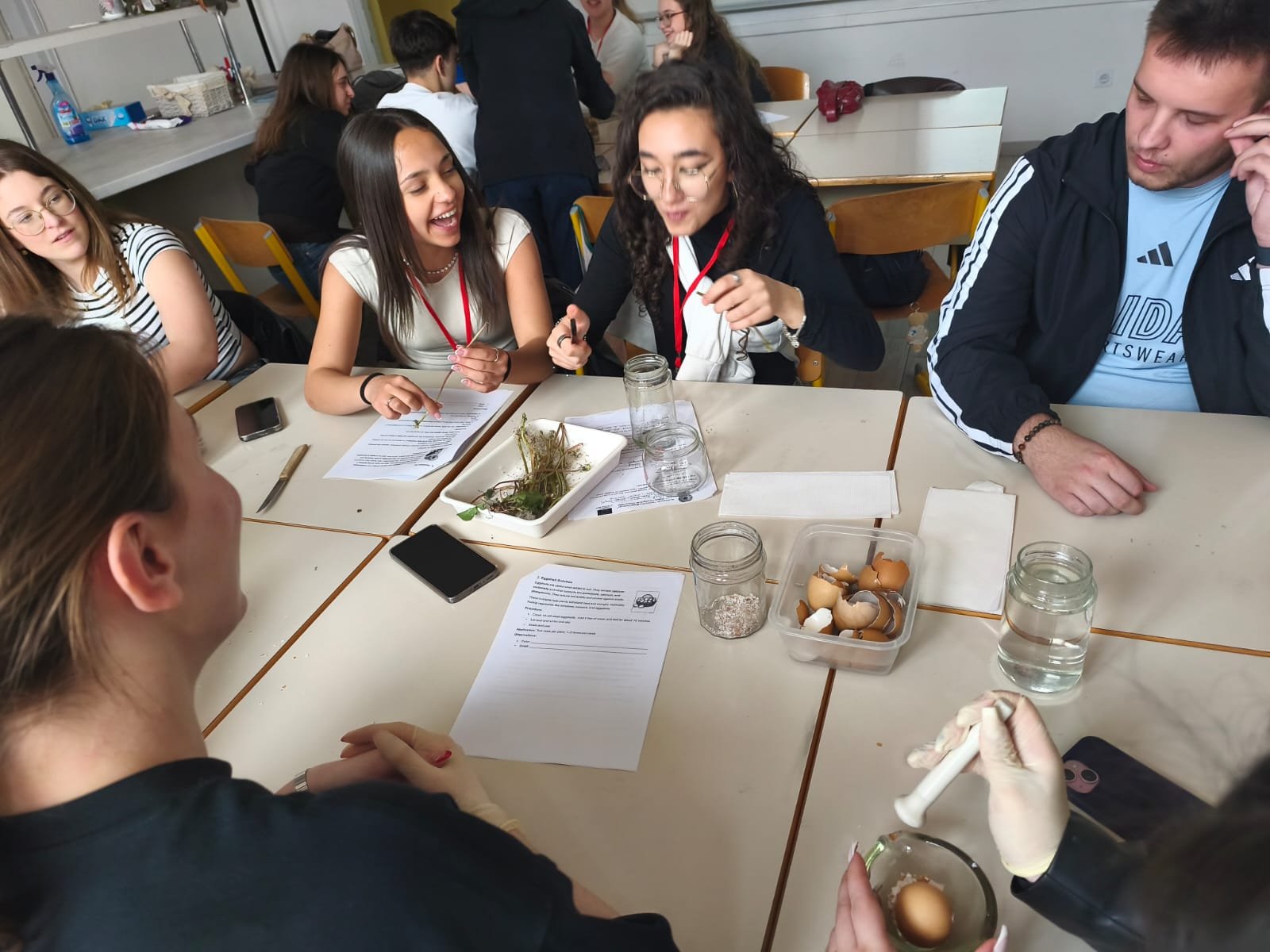
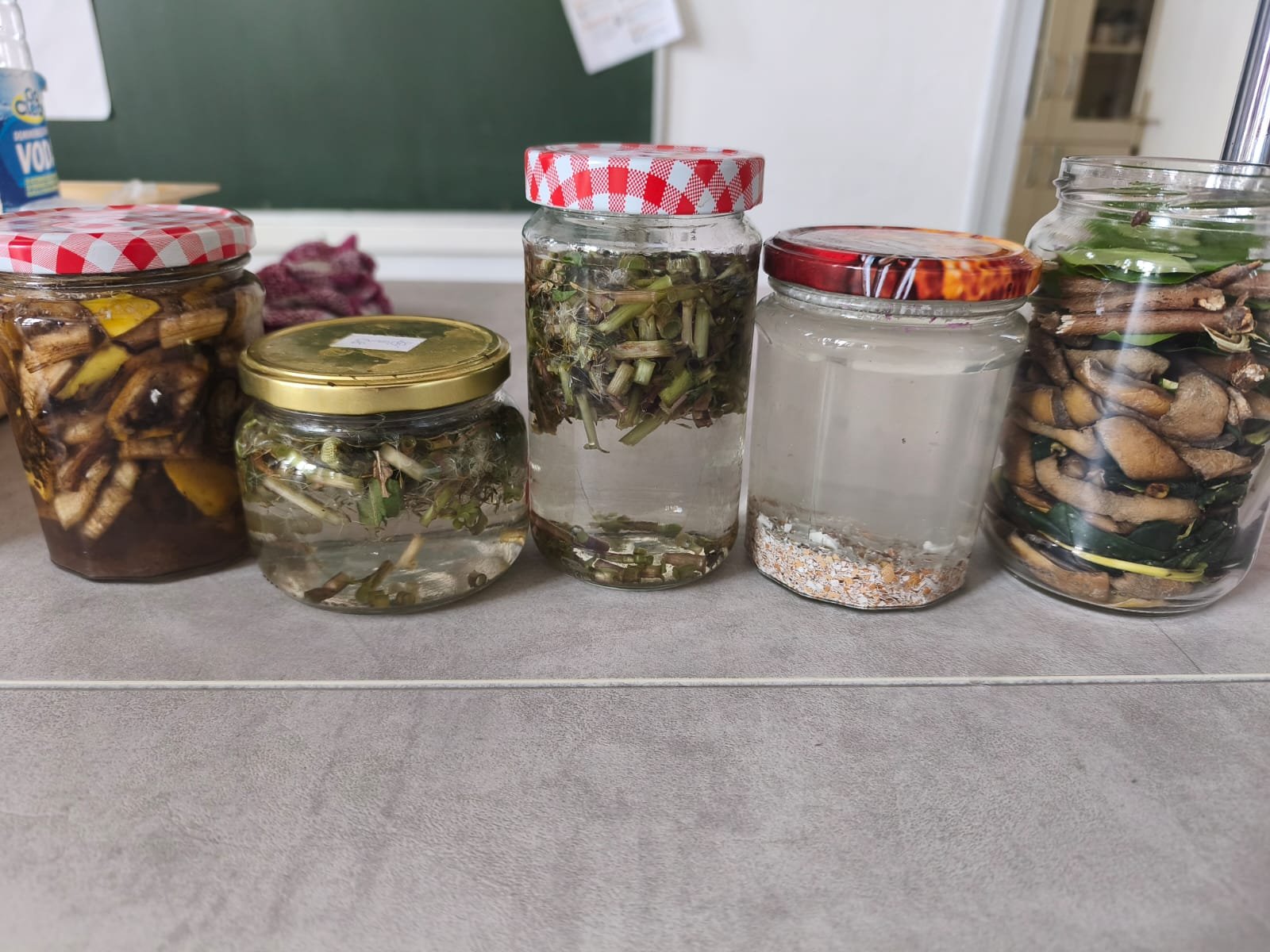
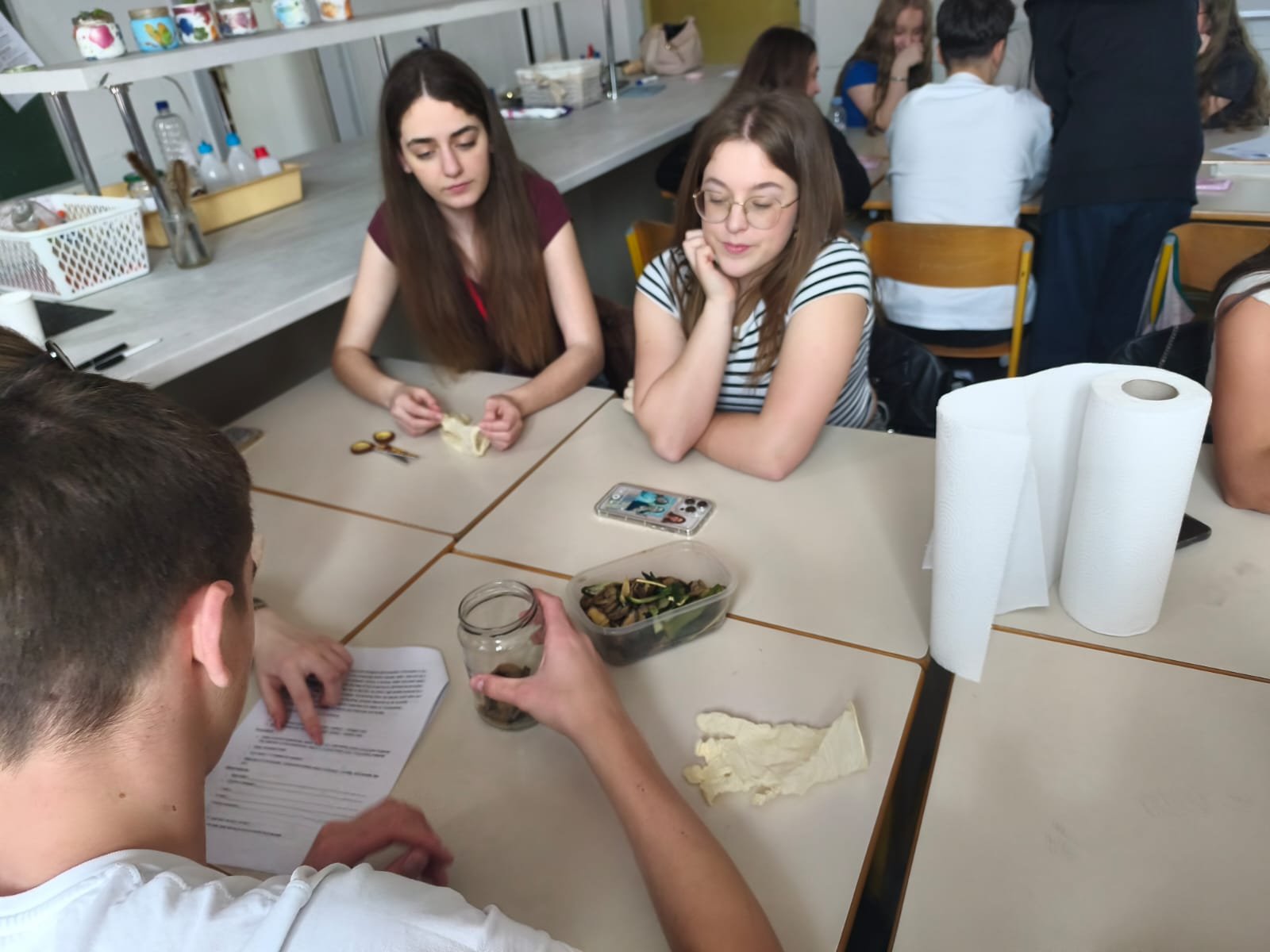
The program began on Monday with an opening welcome ceremony at the school. Following introductory remarks and ice-breaking activities, students delivered presentations on the specifics of organic farming in their respective regions. The working portion of the day continued with a visit to the Natural History Museum in Metković and a hands-on workshop on producing organic fertilizers, where students learned how to manage resources sustainably.
Tuesday was dedicated to the intersection of heritage and sustainability. Field work began in Ston with a visit to the oldest salt pans in Europe and continued at the Trsteno Arboretum, where students studied Mediterranean flora. The day concluded with a tour of the old city of Dubrovnik (a UNESCO World Heritage site) and a workshop titled "Sustainability in High-Frequency Tourist Areas," highlighting the importance of preserving UNESCO heritage for future generations.
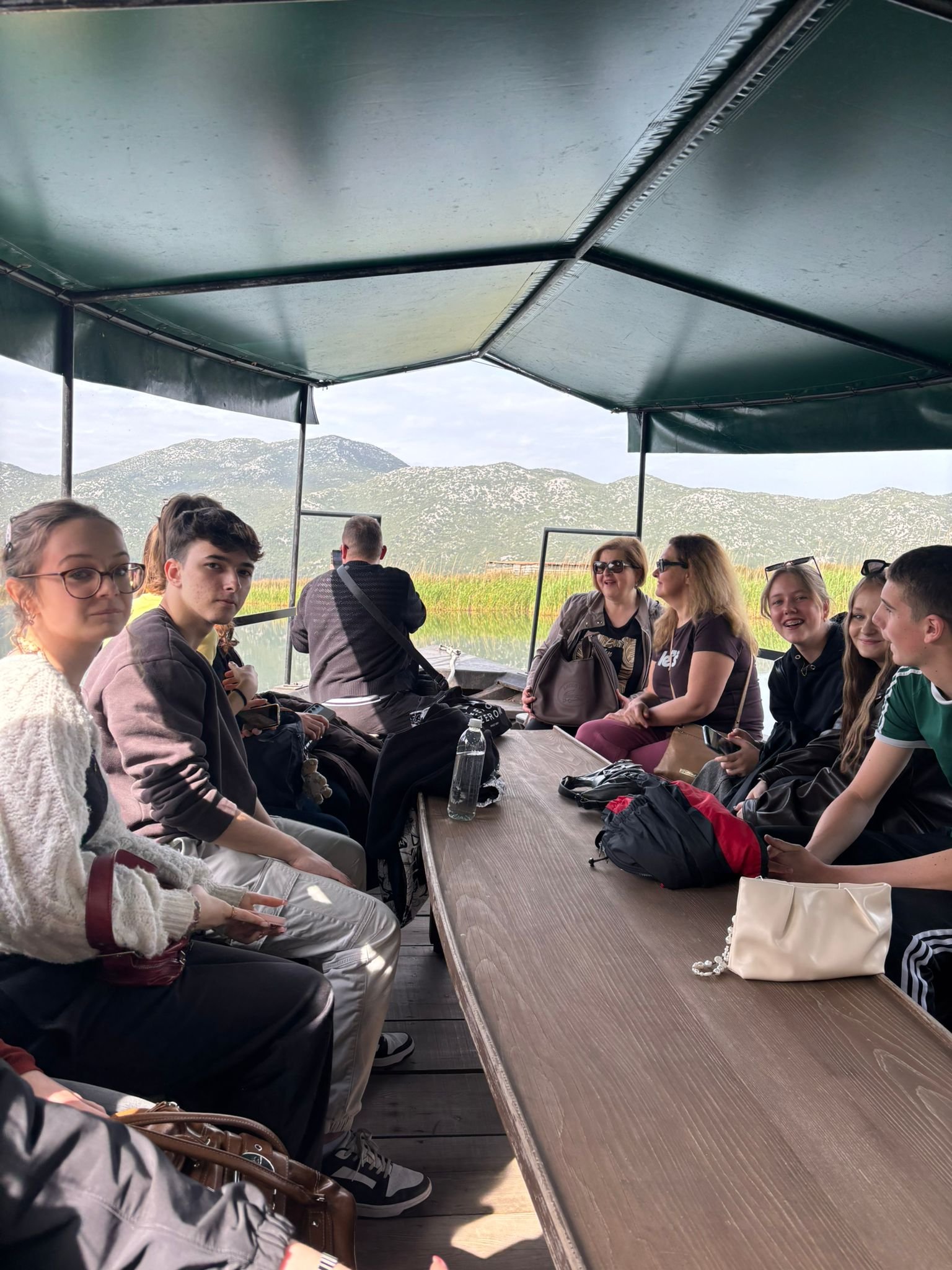
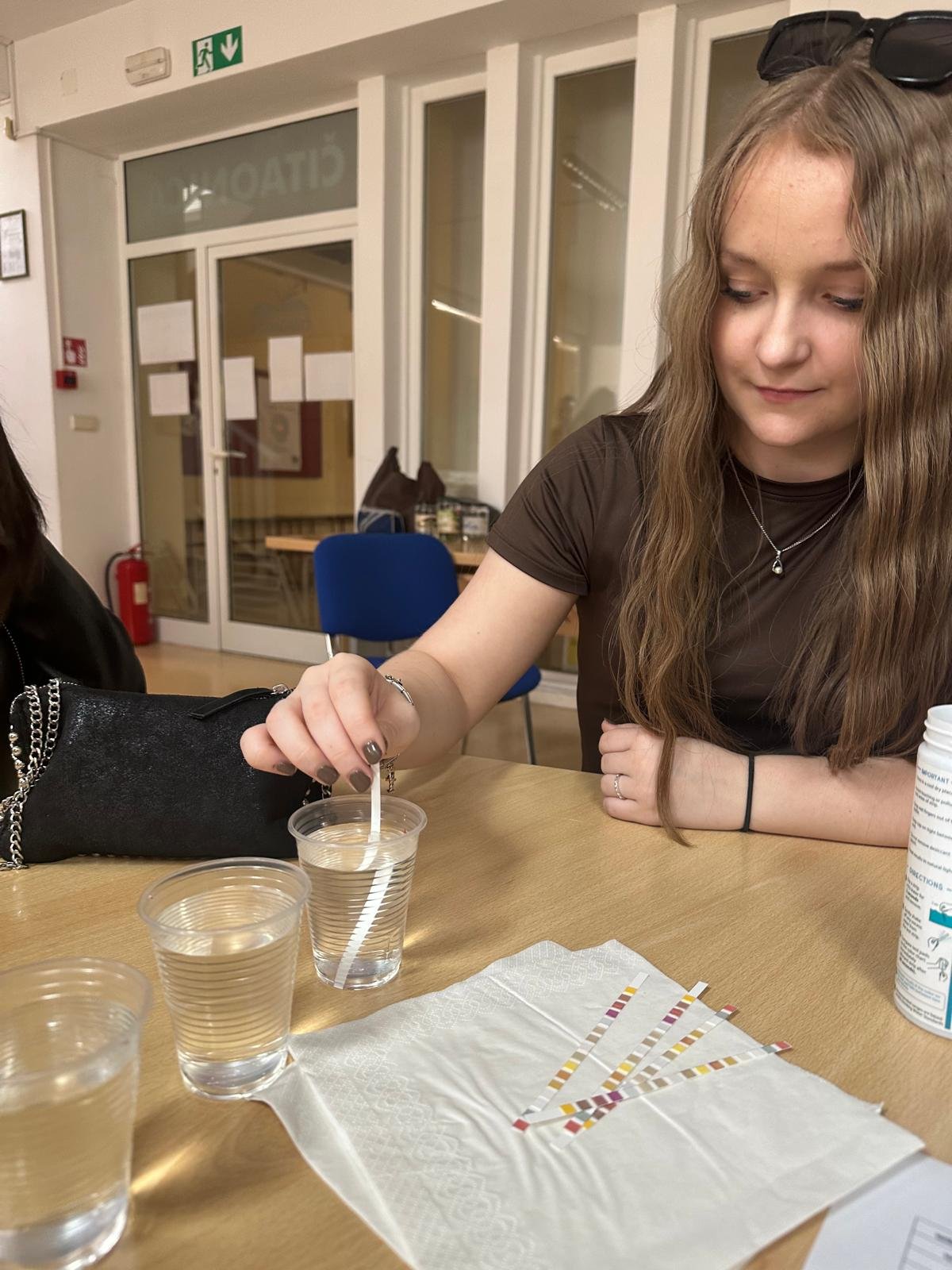
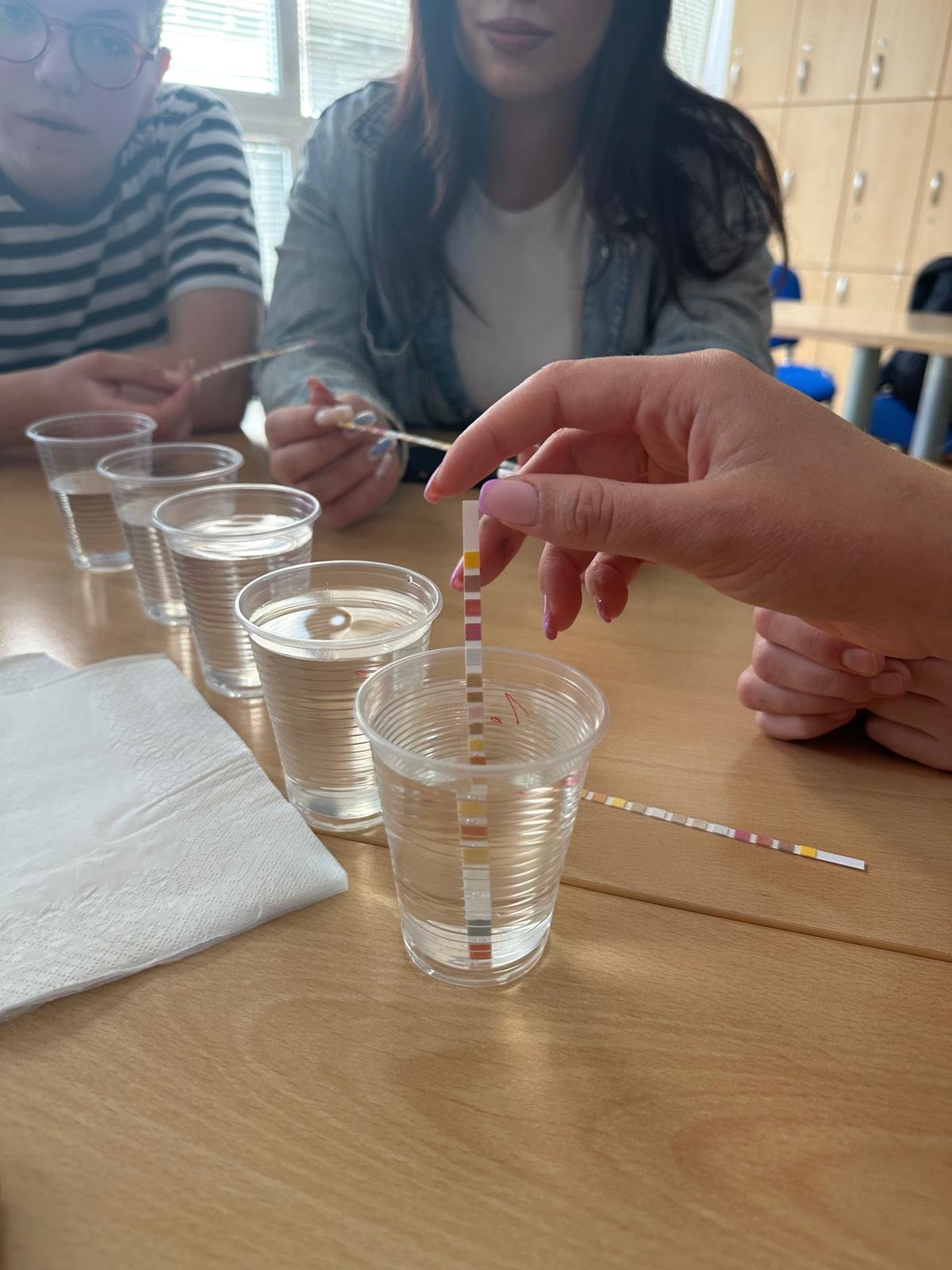
Wednesday was reserved for the authentic values of our region. At the "Nera etno" Agro-Ethno Park in the Neretva Delta, participants enjoyed a photo safari in traditional lađa boats, visited an animal farm and ethnographic collection, and tasted organic local delicacies. The educational segment continued at the school with a lecture on the harmful effects of pesticides and a workshop on the decline of amphibian populations, sparking a discussion on the critical state of wetlands.
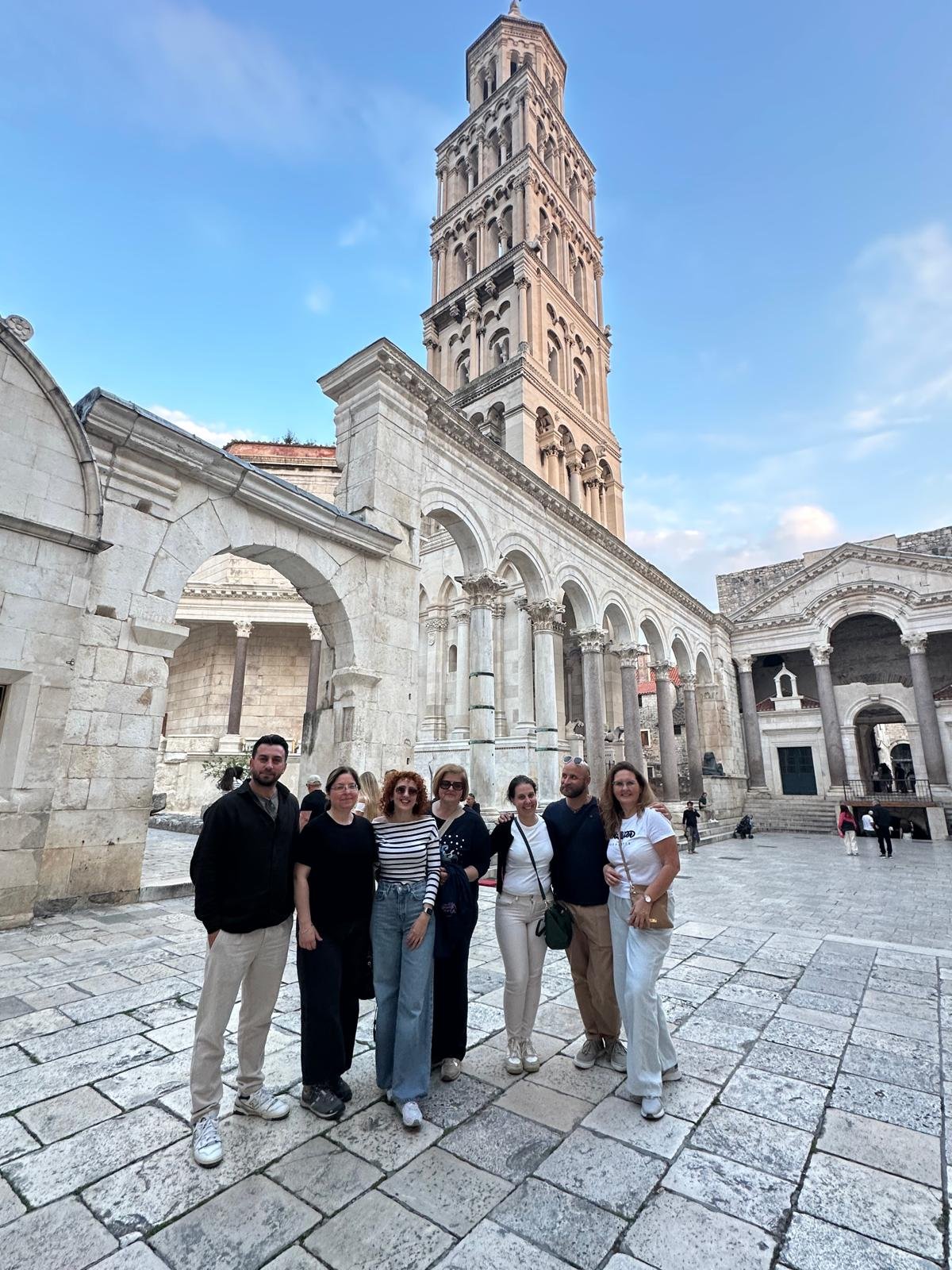
On Thursday, we visited the Split area. A highlight was the visit to "Stella Croatica" in Klis, where students, accompanied by guides, toured the Olive Museum, production facilities, and a Mediterranean garden. Along with a traditional lunch and a tour of the Klis Fortress, students gained insight into how traditional products can be successfully marketed to the modern world. The day ended with a tour of Diocletian's Palace in Split (a UNESCO World Heritage site).
The final day of the program, Friday, was dedicated to presenting project results. Through videos and posters, students showcased everything they had learned during the week. Following evaluations and the formal certificate award ceremony, the gathering concluded with a visit to local historical sites, rounding off this rich educational story.
This mobility once again confirmed the importance of the Erasmus+ program in empowering young people. In addition to gaining knowledge about healthy food and ecology, students developed their English communication skills and forged friendships that will last long after the project's conclusion.
We thank all host families for their hospitality, the teachers for their organization, and our partners for their excellent cooperation.
Official Photo Gallery (16 Photographs)
Gimnazija Metković
Metković, Croatia