School Gardens & Hobby Farming
Hands-on organic cultivation, living fences, raised vegetable beds, and greenhouse botanical management implemented by students across Metković, Castel di Sangro, Bielsko-Biała, and Istanbul.
 CroatiaMarch 2026 – Autumn 2026
 Gimnazija Metković
The "Green Revolution" at Gimnazija Metković: Creating Our First Organic Hobby Garden
Transforming the school lawn into a productive organic brassica and herb mini-garden.
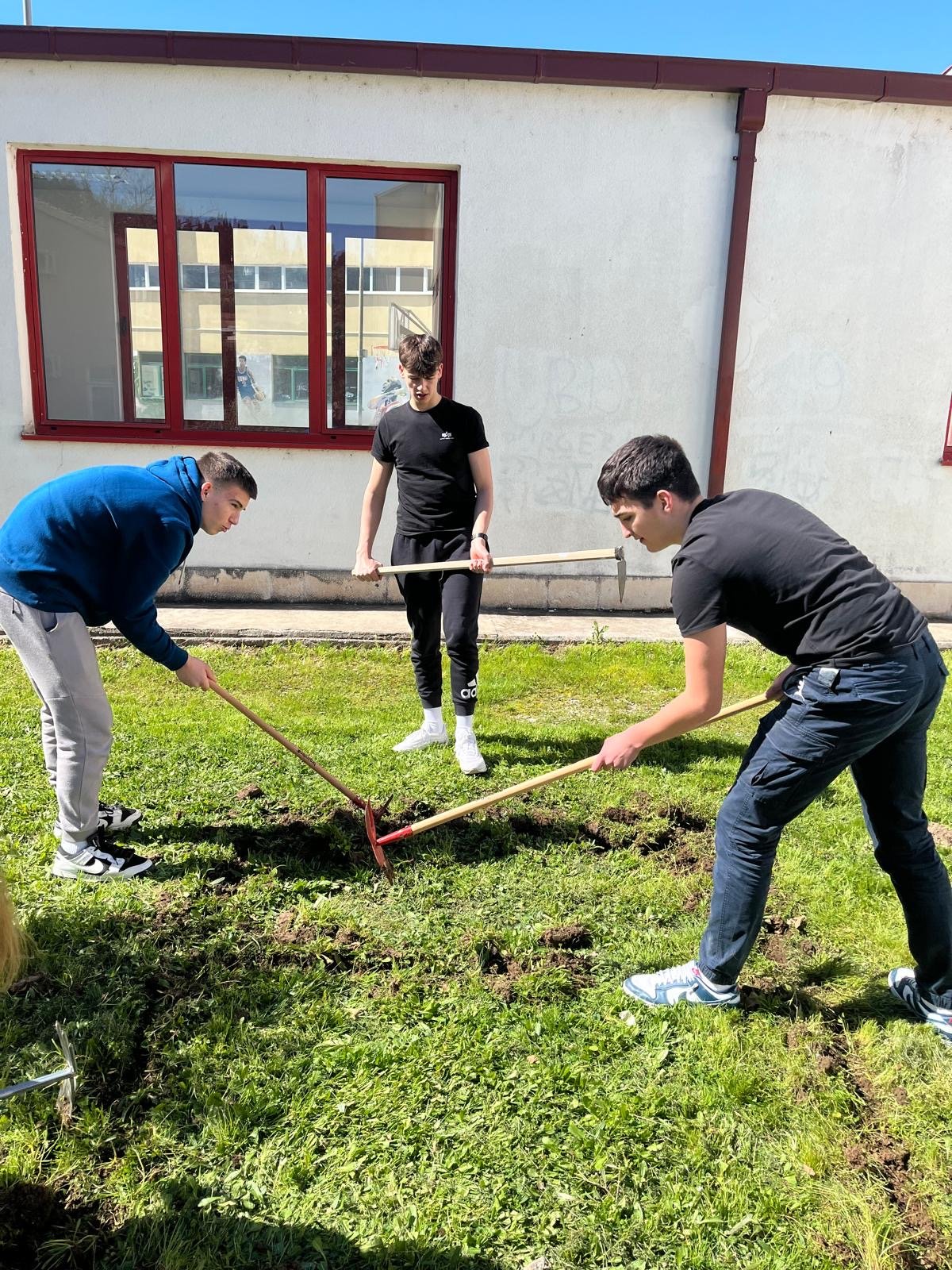
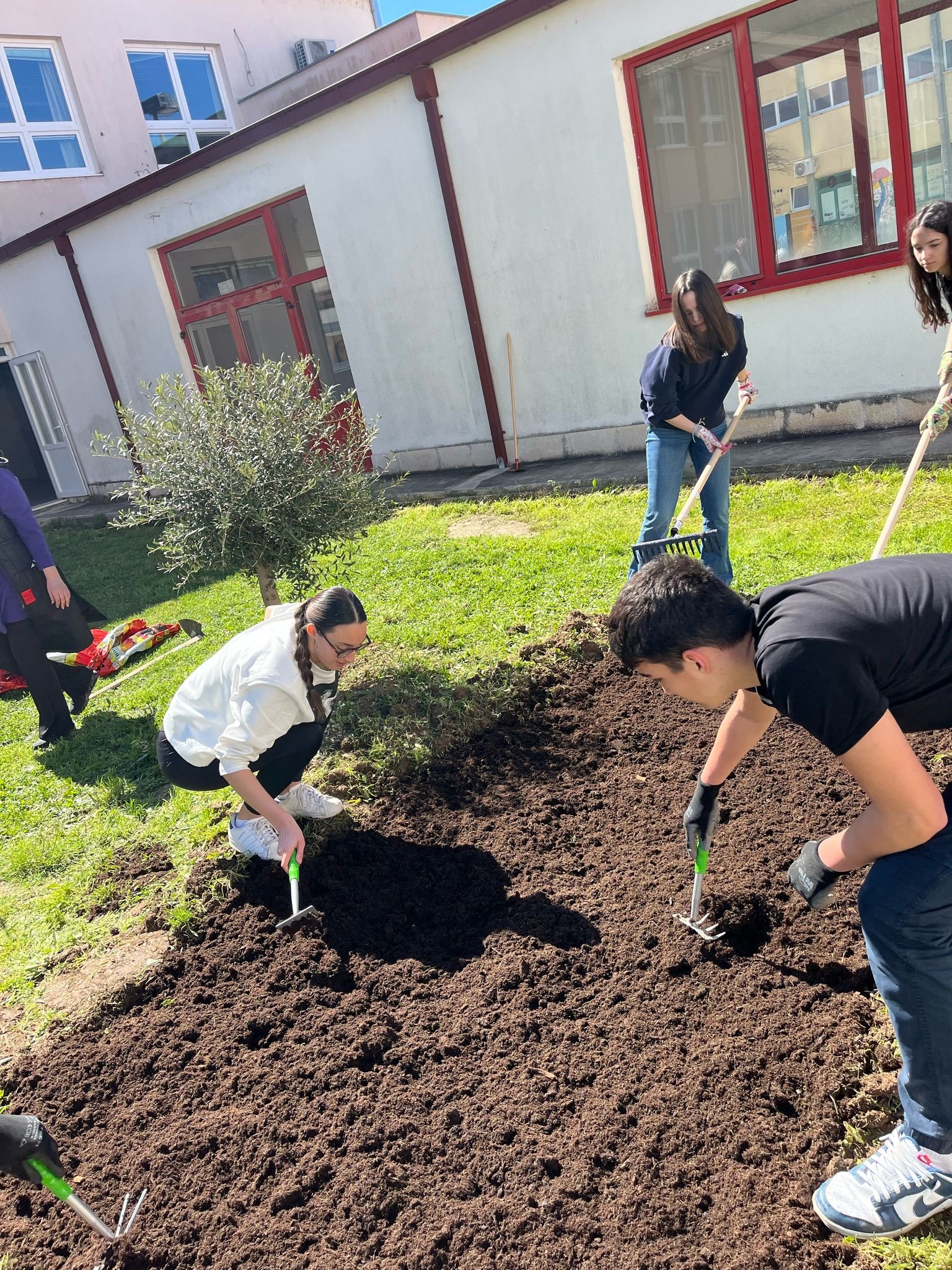
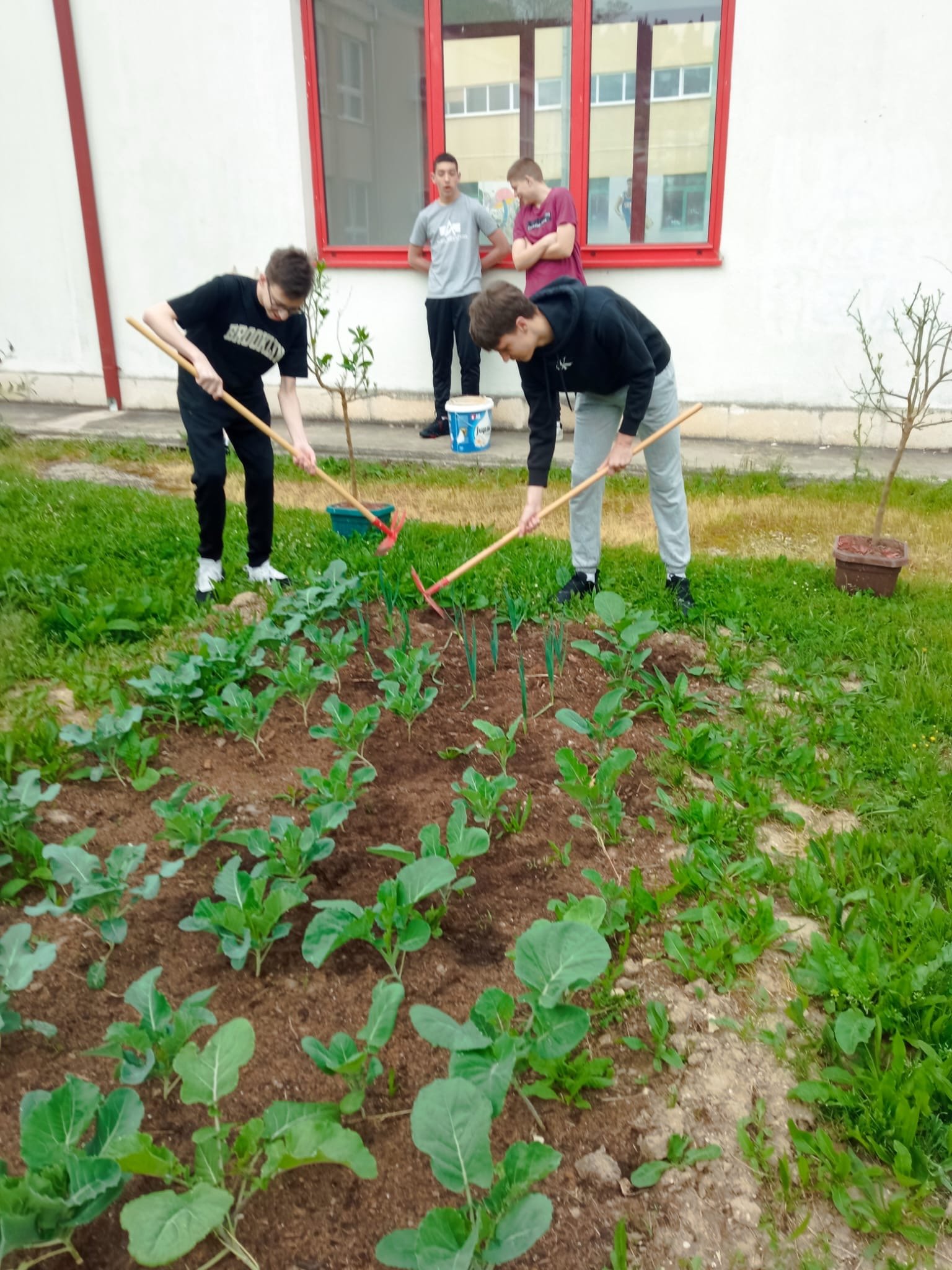
As a key part of our project, we were tasked with creating a mini-garden where students could put the principles of organic farming into practice. We selected a sunny plot on the school lawn, beautifully framed by olive trees (Olea europaea). Since the school had never grown edible plants before, this initiative felt like a "small green revolution" for our entire community.
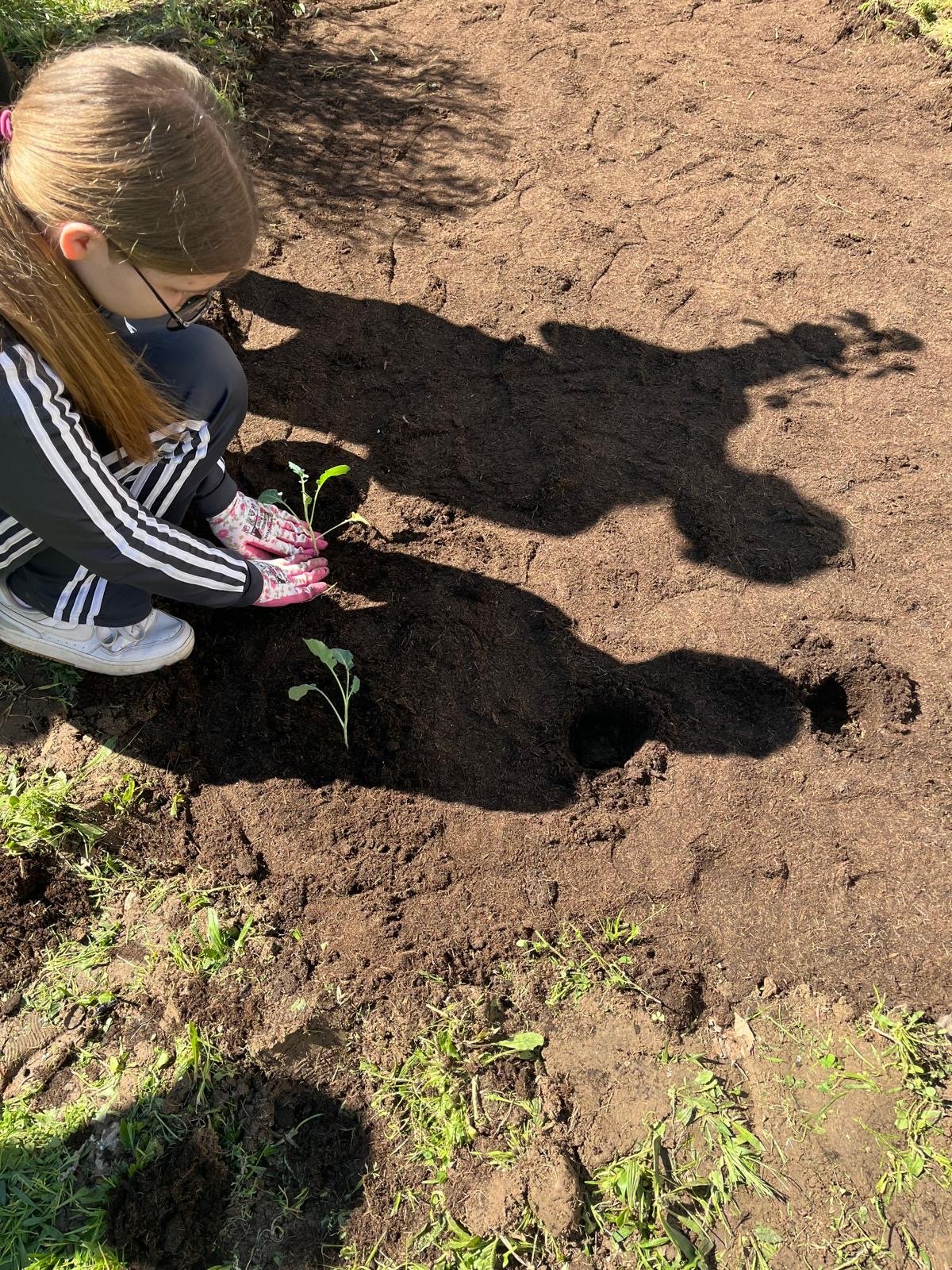
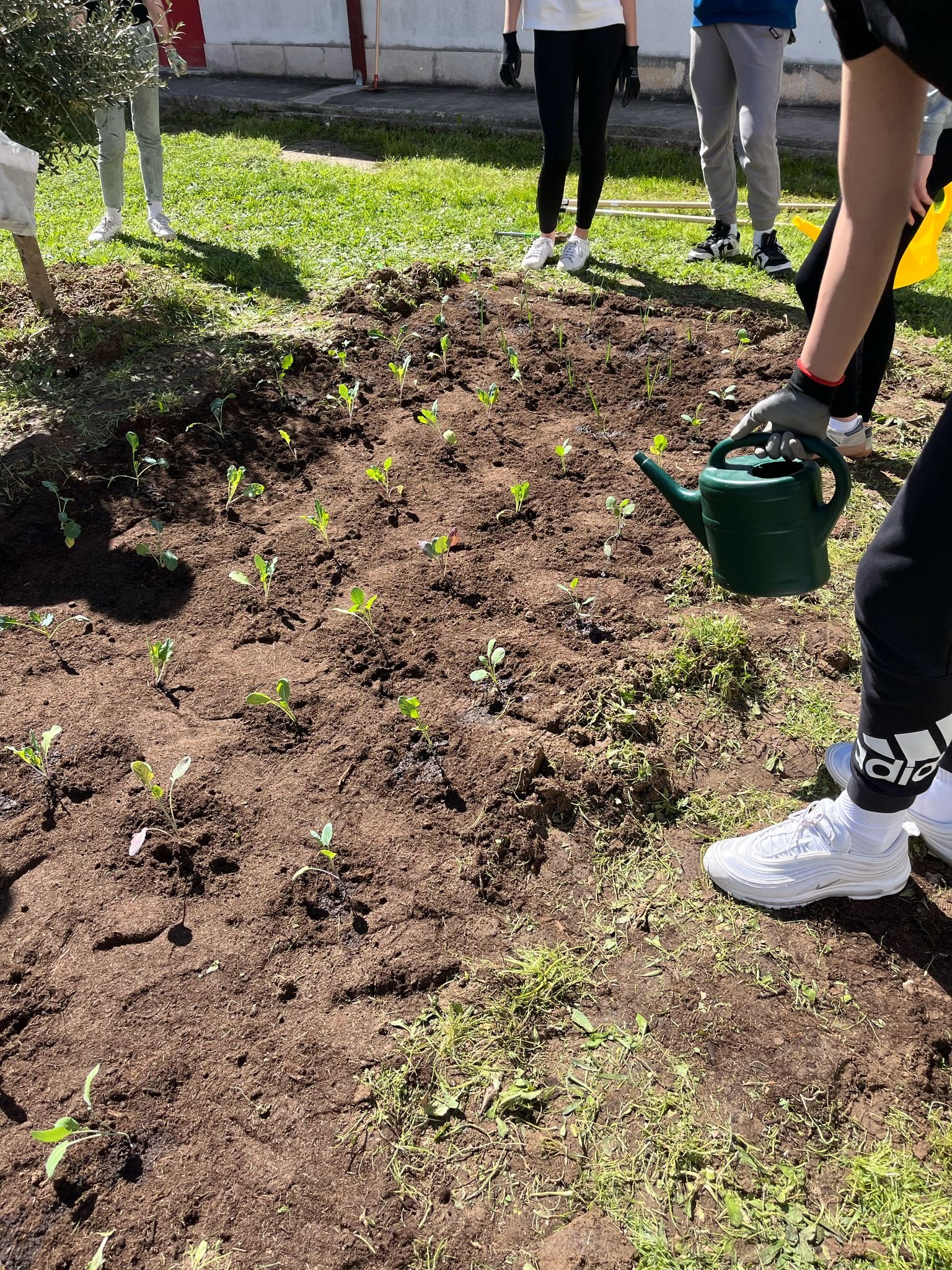
The process began in March 2026 with hard work and enthusiasm. Students rolled up their sleeves to measure the site, dig up the soil, and clear away the grass. To ensure the best possible start for our plants, we enriched the soil with organic humus and compost. We initially planted seedlings of collard greens (Brassica oleracea var. acephala) and cauliflower (Brassica oleracea var. botrytis).
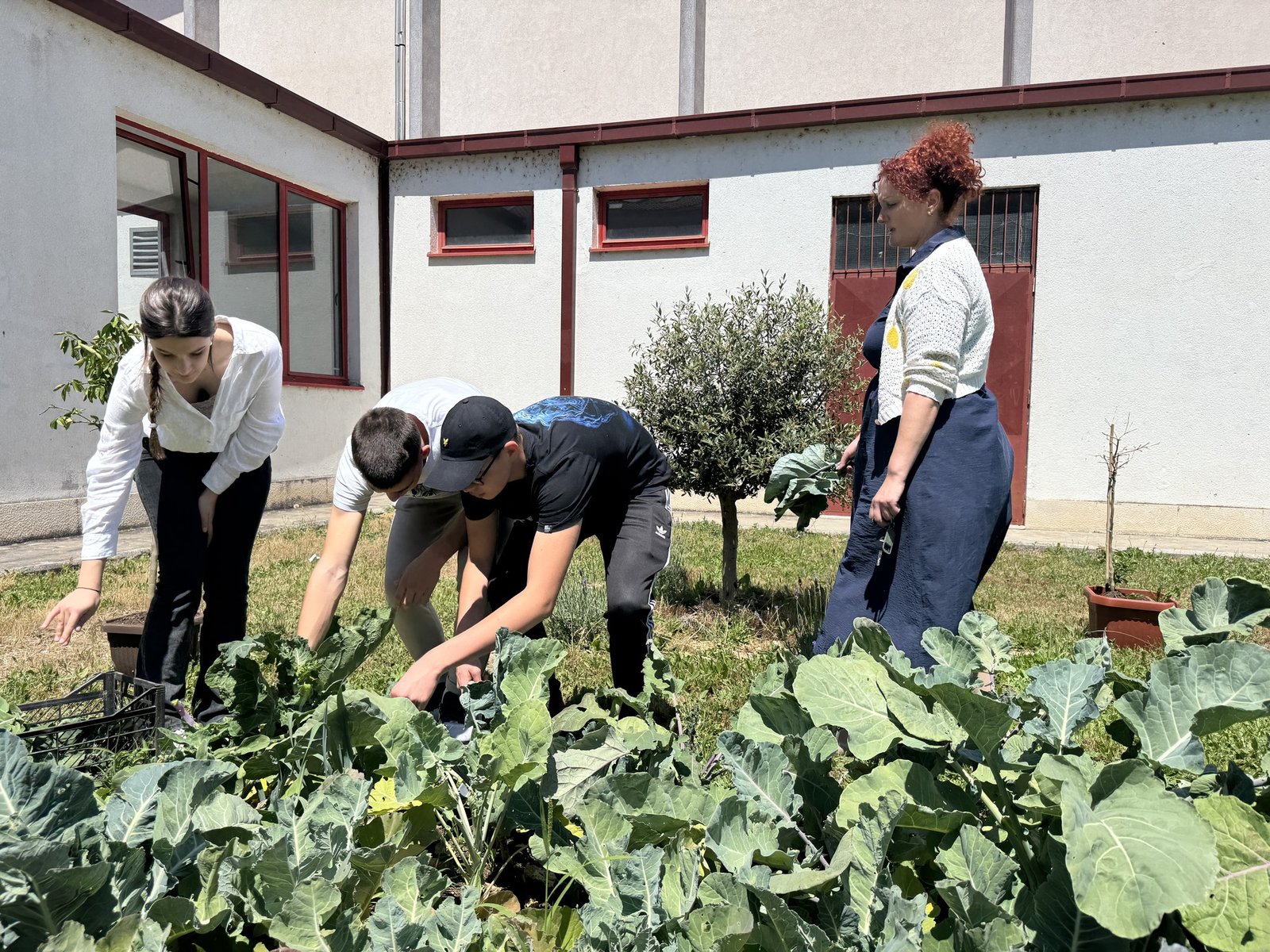
Maintaining an organic garden proved to be a valuable lesson in commitment. Students took turns visiting the garden almost every day to water the seedlings and pull weeds. We even organized "hand-picking" sessions to protect our crops from snails (Gastropoda) without using chemicals. We also experimented with sustainable fertilizers, such as natural liquid feed made from banana peels (Musa sapientum). By June, our efforts paid off. We harvested the first leaves of collard greens and cauliflower, which students took home to prepare using traditional local recipes. By the start of the summer holidays, the first cycle was complete, and we were already planning our autumn revival.
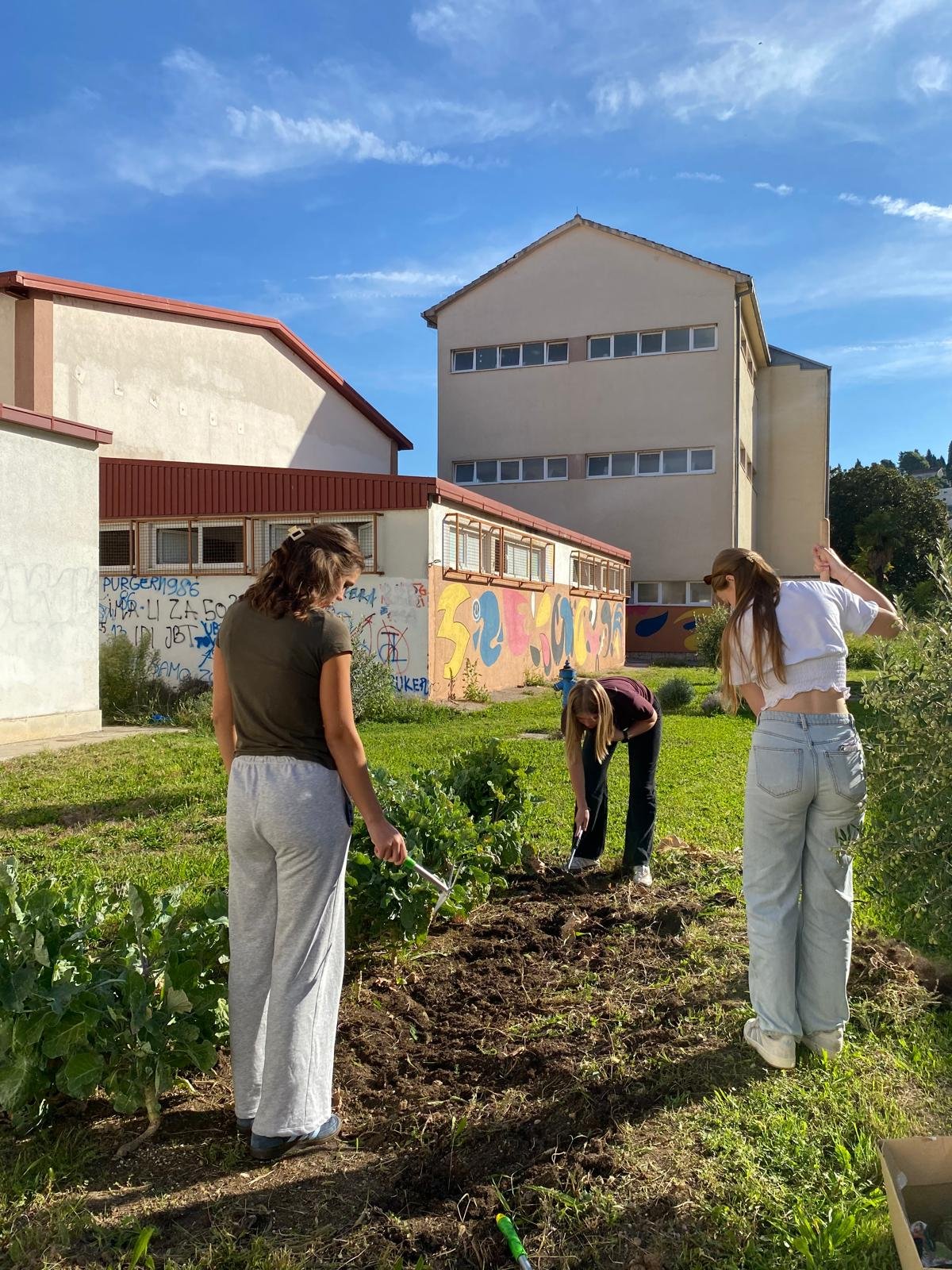
On the first day of autumn, we took advantage of the lingering sunny weather to kick off a new growing season. Our goal was to expand the variety and structure of our mini school garden.
After clearing the previous season's remains and removing old stems, we decided to keep the kale (Brassica oleracea var. acephala), which remained remarkably green and productive. In the newly cleared sections, we introduced more structure by preparing raised beds. This time, we focused on a variety of brassicas, planting young seedlings of: red cabbage (Brassica oleracea var. capitata f. rubra), curly leaf kale (Brassica oleracea var. sabellica) and savoy cabbage (Brassica oleracea var. sabauda). To provide a natural barrier and maximize our space, we planted leeks (Allium ampeloprasum var. porrum) along the garden's edge to serve as a "living fence" for our crops. We have then left the garden tidy and peaceful, awaiting the first autumn rains to gently awaken the soil and nourish the new life we’ve planted.
This project has taught us that while organic farming requires daily care and patience, the reward of seeing a seed turn into a meal—and the knowledge gained along the way—is absolutely worth it.
- Planted collard greens, cauliflower, red cabbage, curly leaf kale, and savoy cabbage.
- Introduced organic banana-peel liquid fertilizer and chemical-free snail management.
- Built raised beds and a natural 'living fence' of leeks along the garden border.
- Connected garden harvests directly to traditional Dalmatian recipes prepared at home.
Official Photo Gallery (7 Photographs)
 ItalySpring 2025 – Ongoing
 Istituto d'Istruzione Superiore Patini-Liberatore
Educational Greenhouse & Botanical School Garden: Sustainable Plant Management
Inaugurating the school greenhouse and cultivating aromatic herbs and seasonal vegetables in Castel di Sangro.
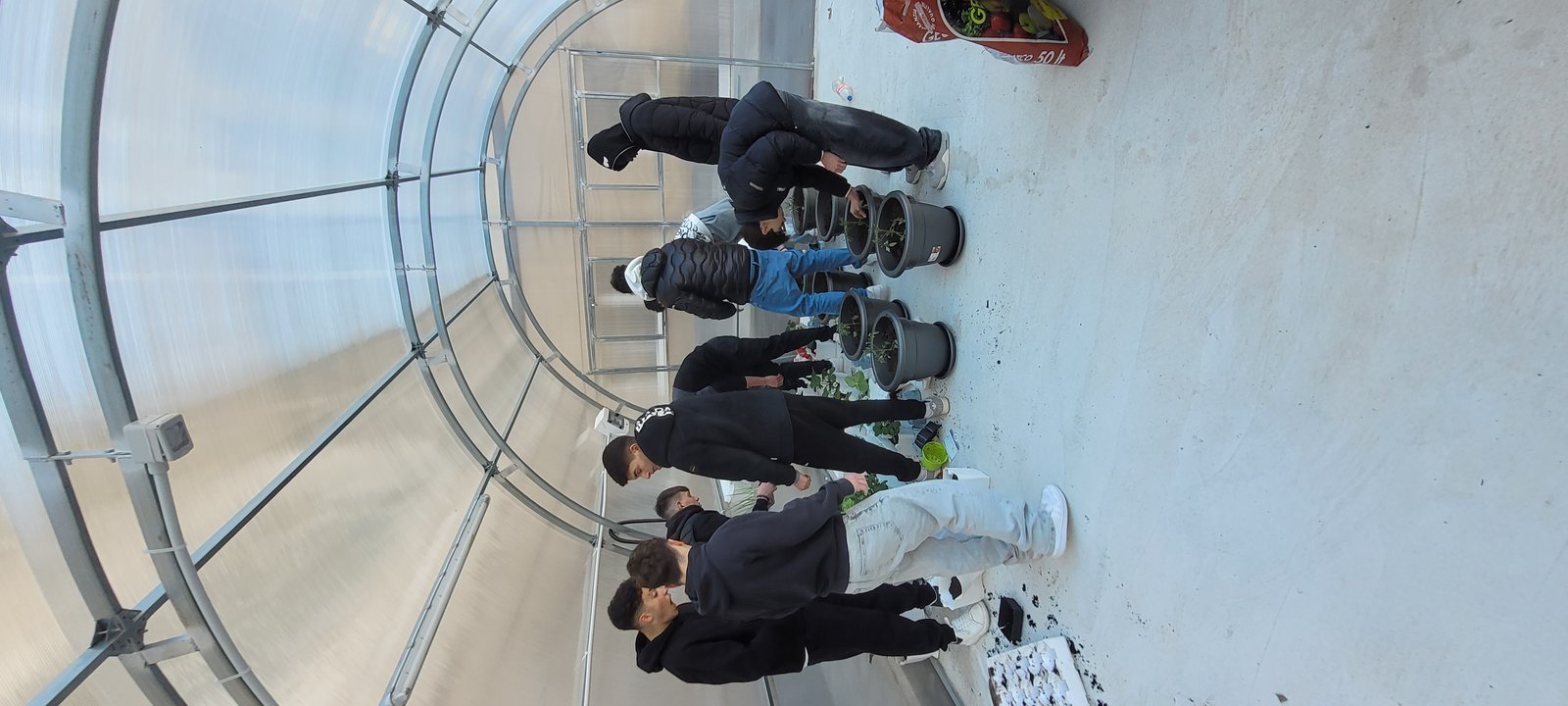
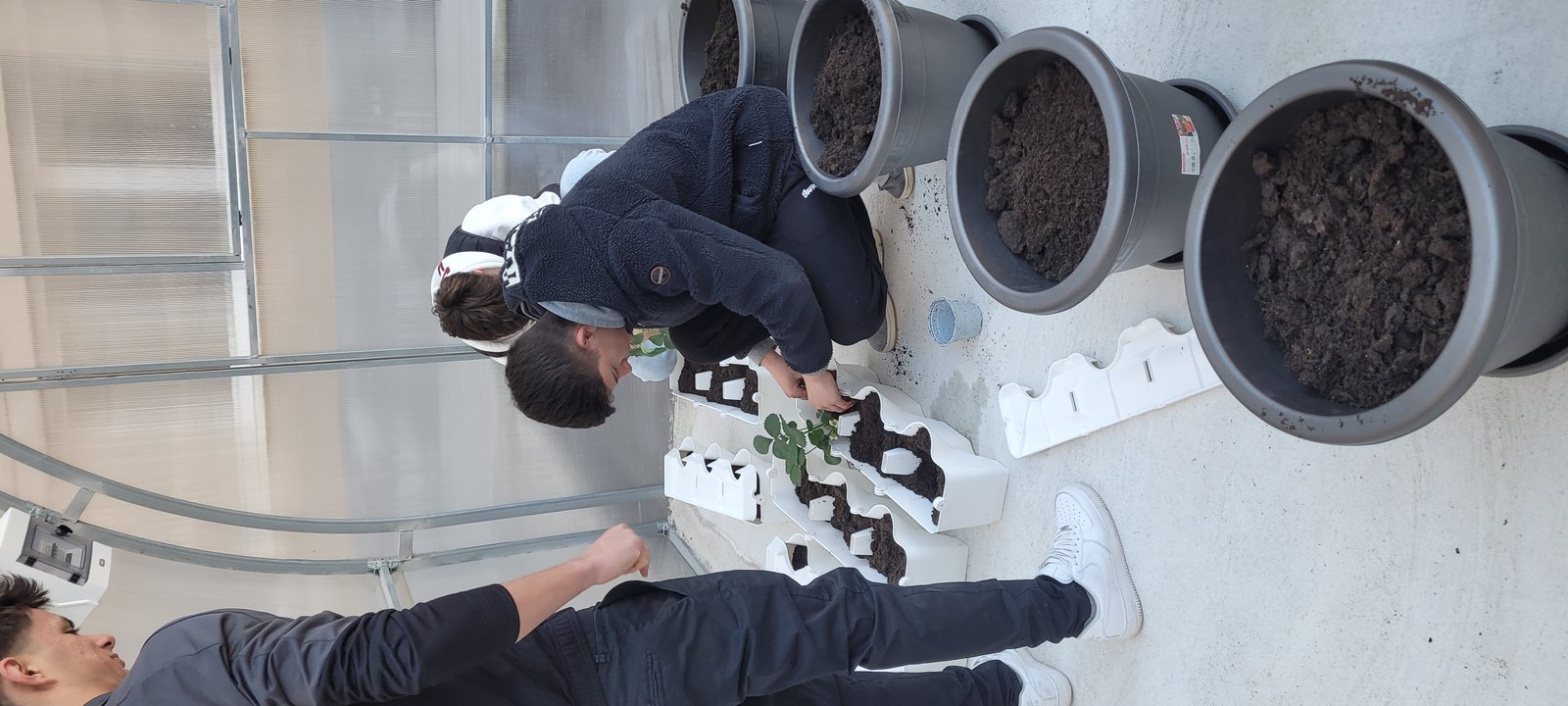
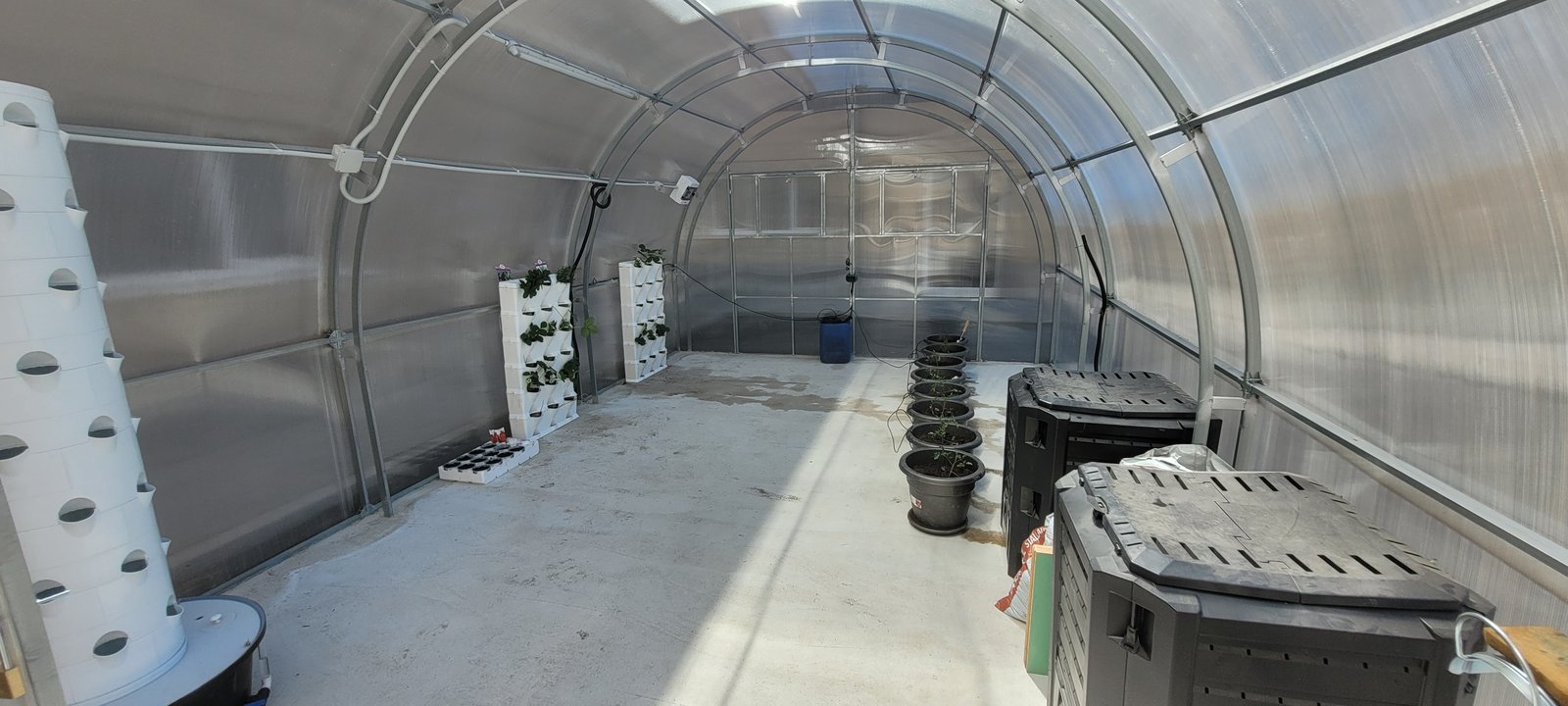
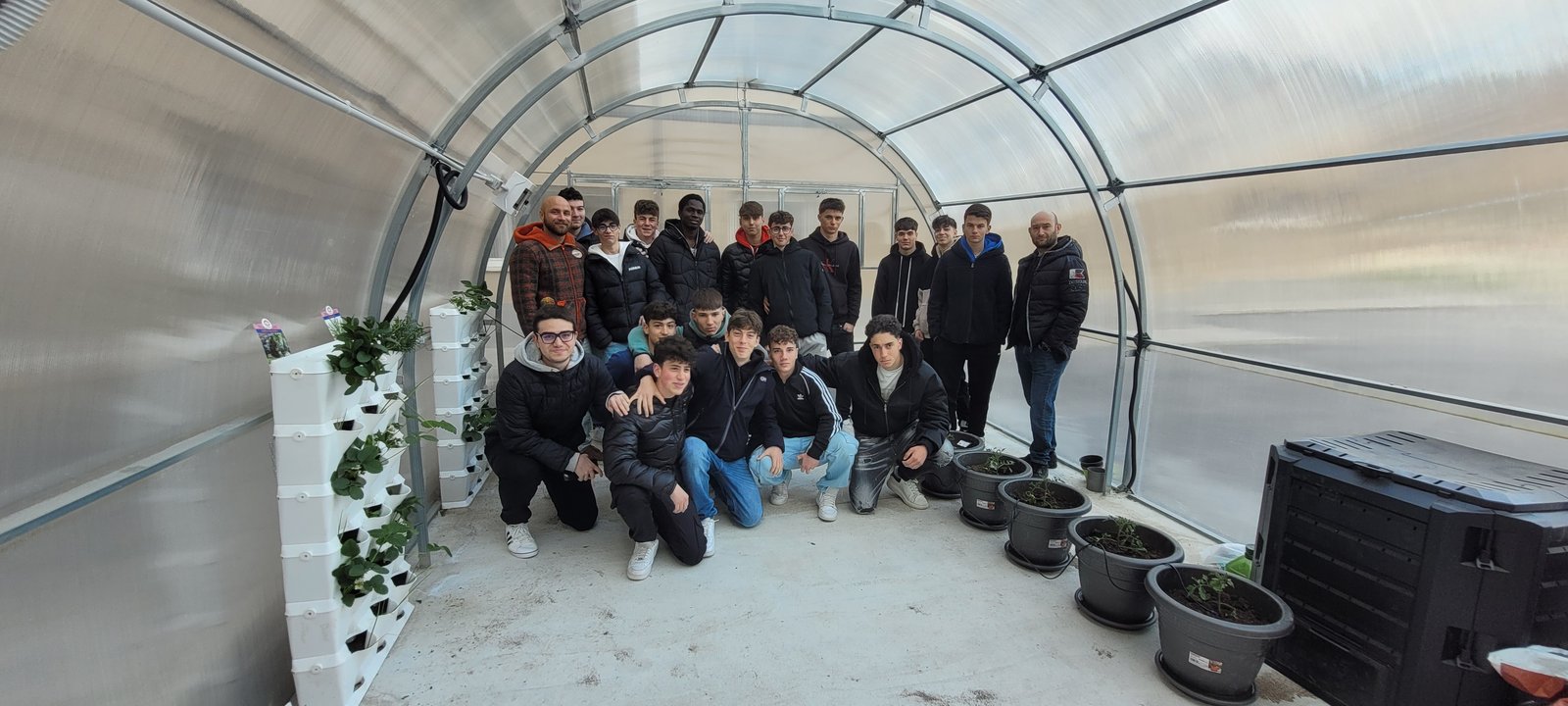
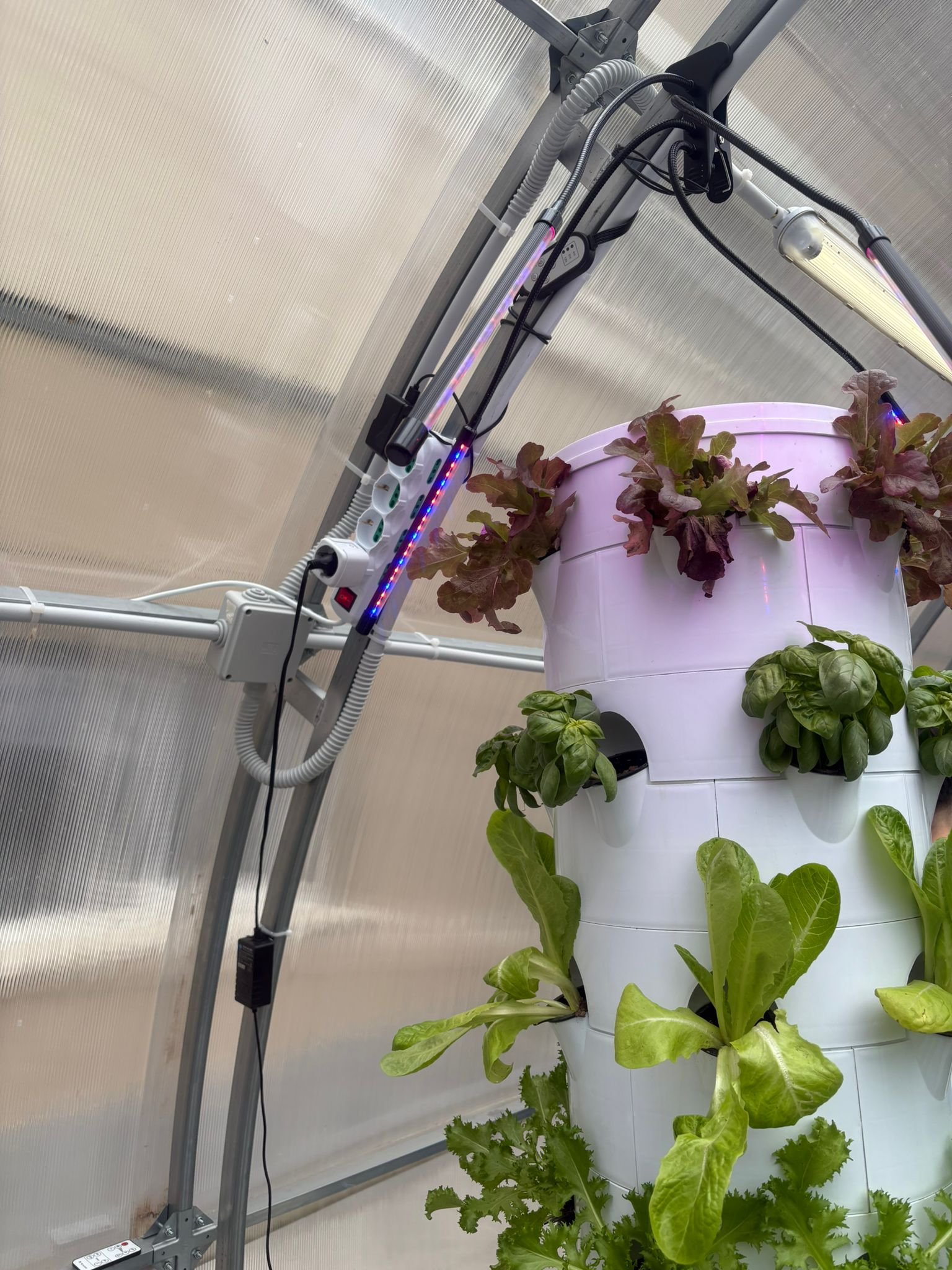
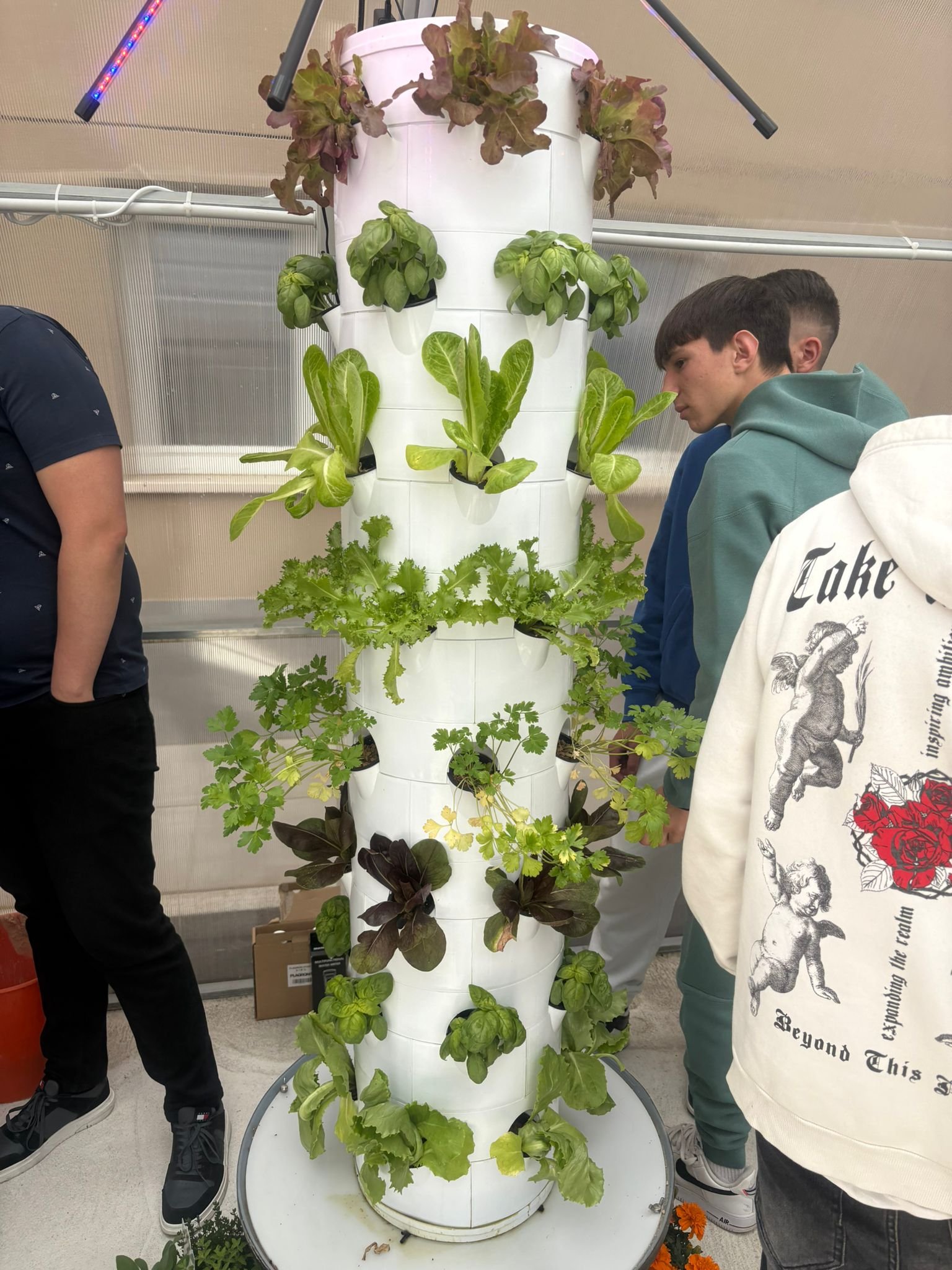
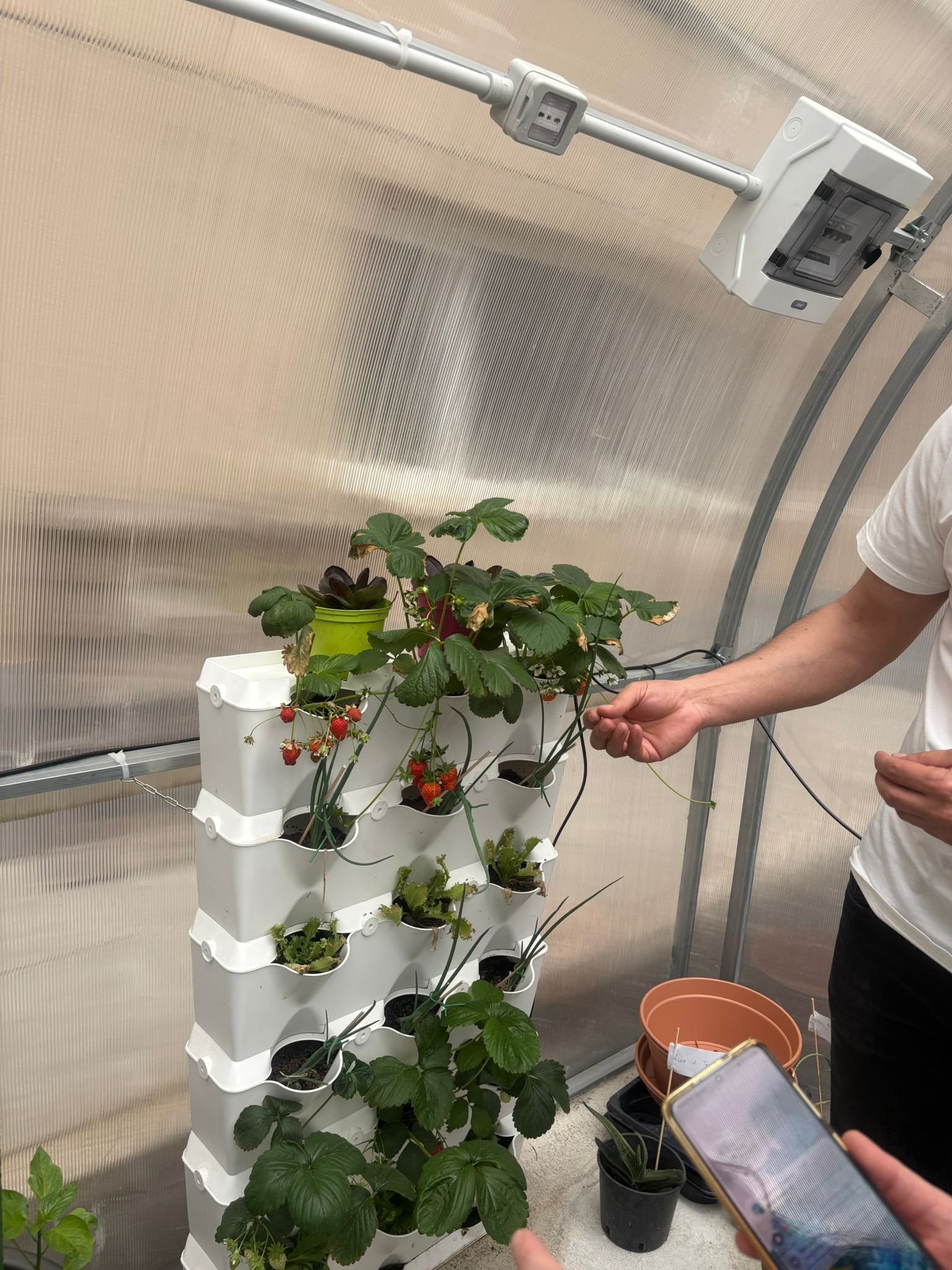
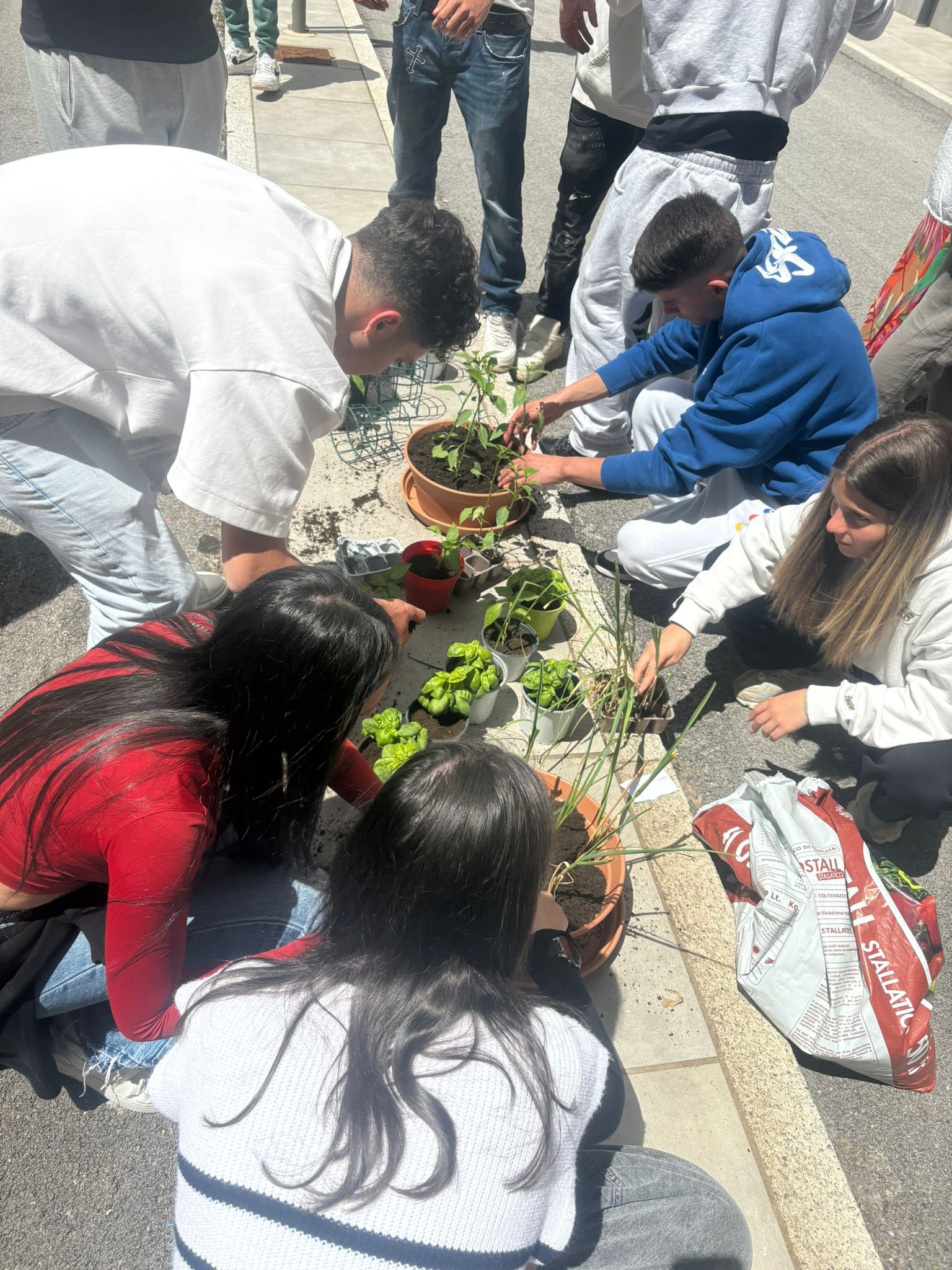
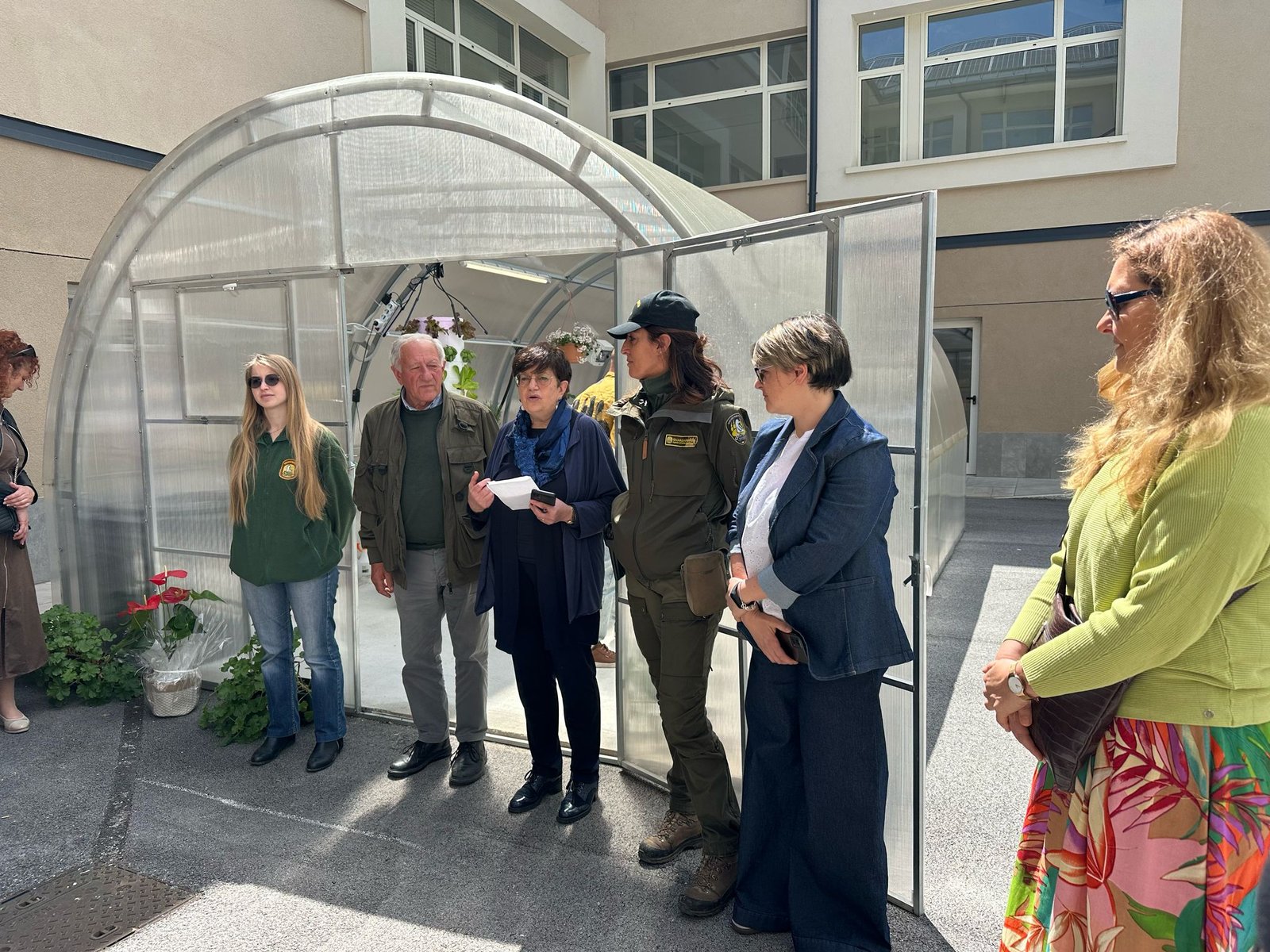
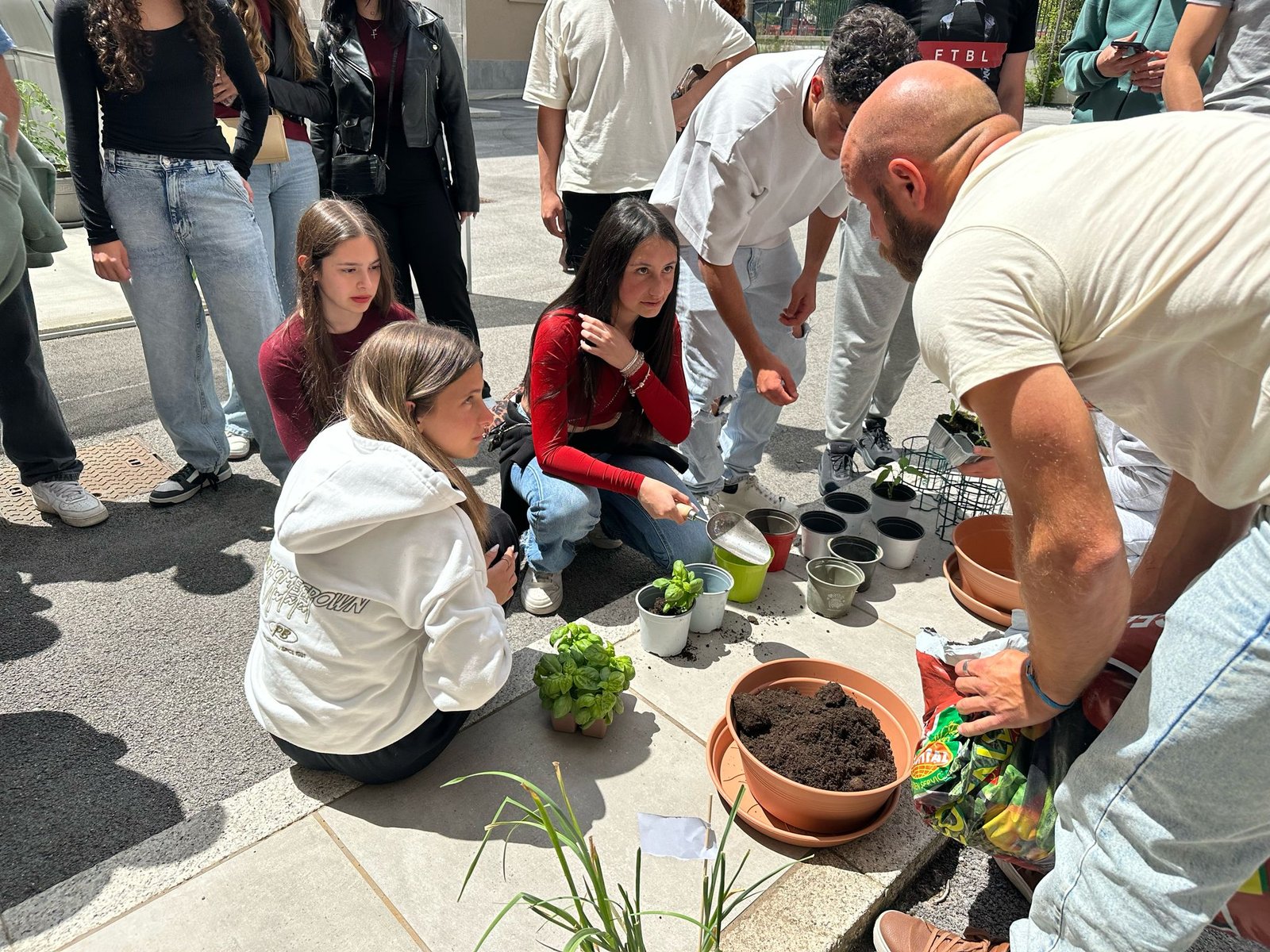
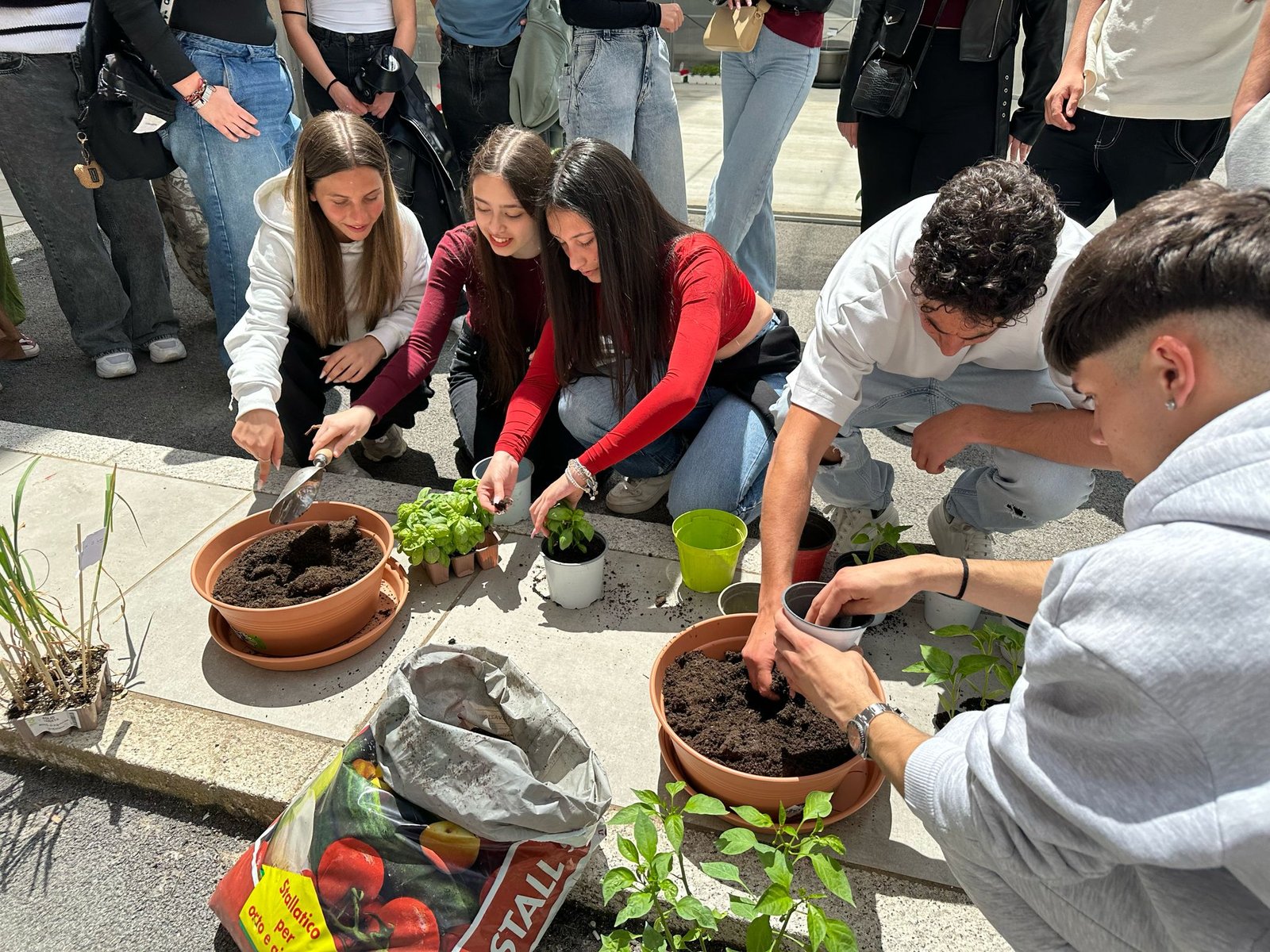
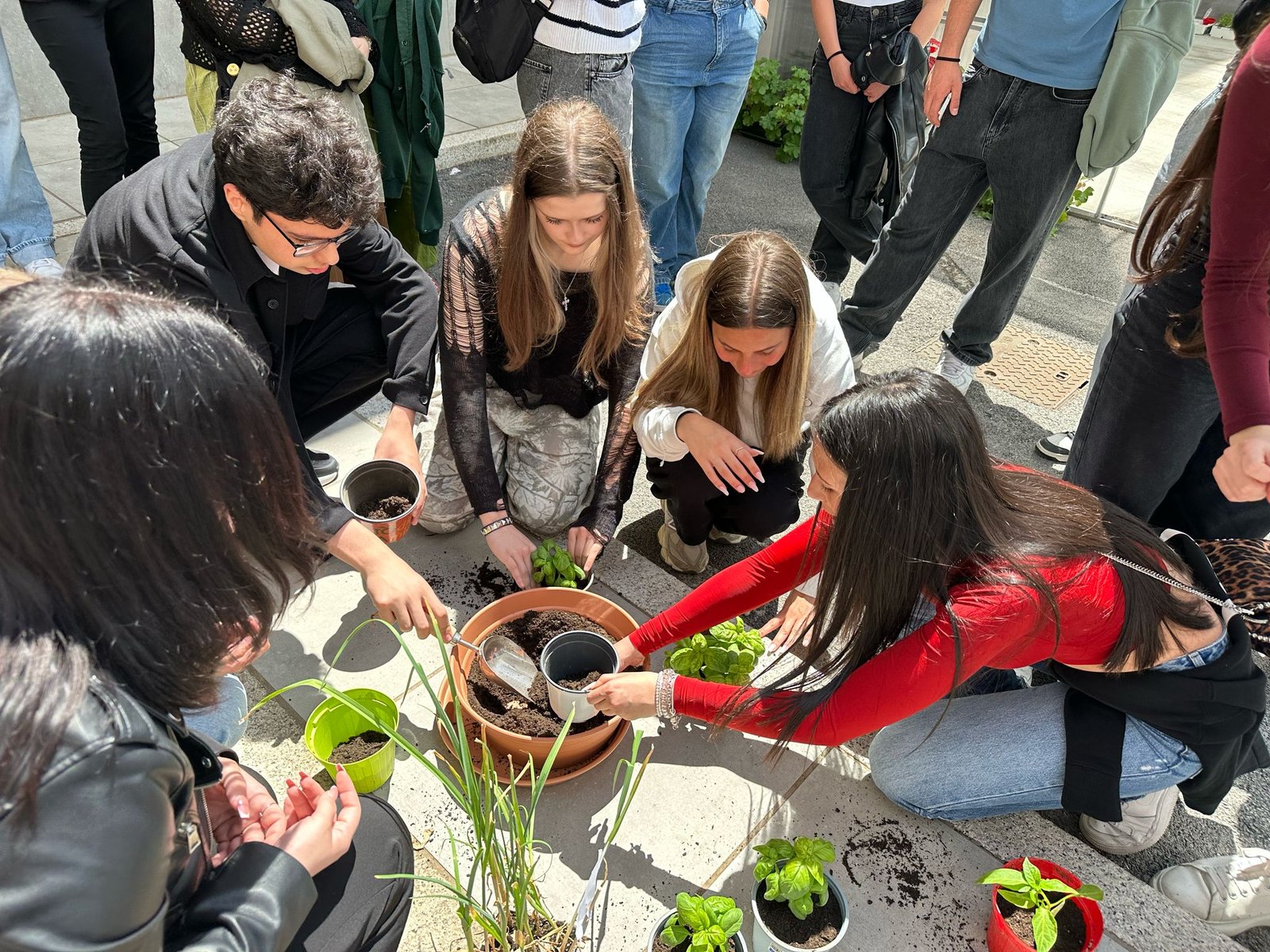
Within the framework of the Erasmus+ 'Healthy and Young' partnership, students and faculty at IIS Patini-Liberatore in Castel di Sangro established an educational school greenhouse and botanical potted plant garden. The project began with the official inauguration of the newly constructed greenhouse facility, accompanied by hands-on workshops on greenhouse cultivation, organic soil fertilization, and microclimate management.
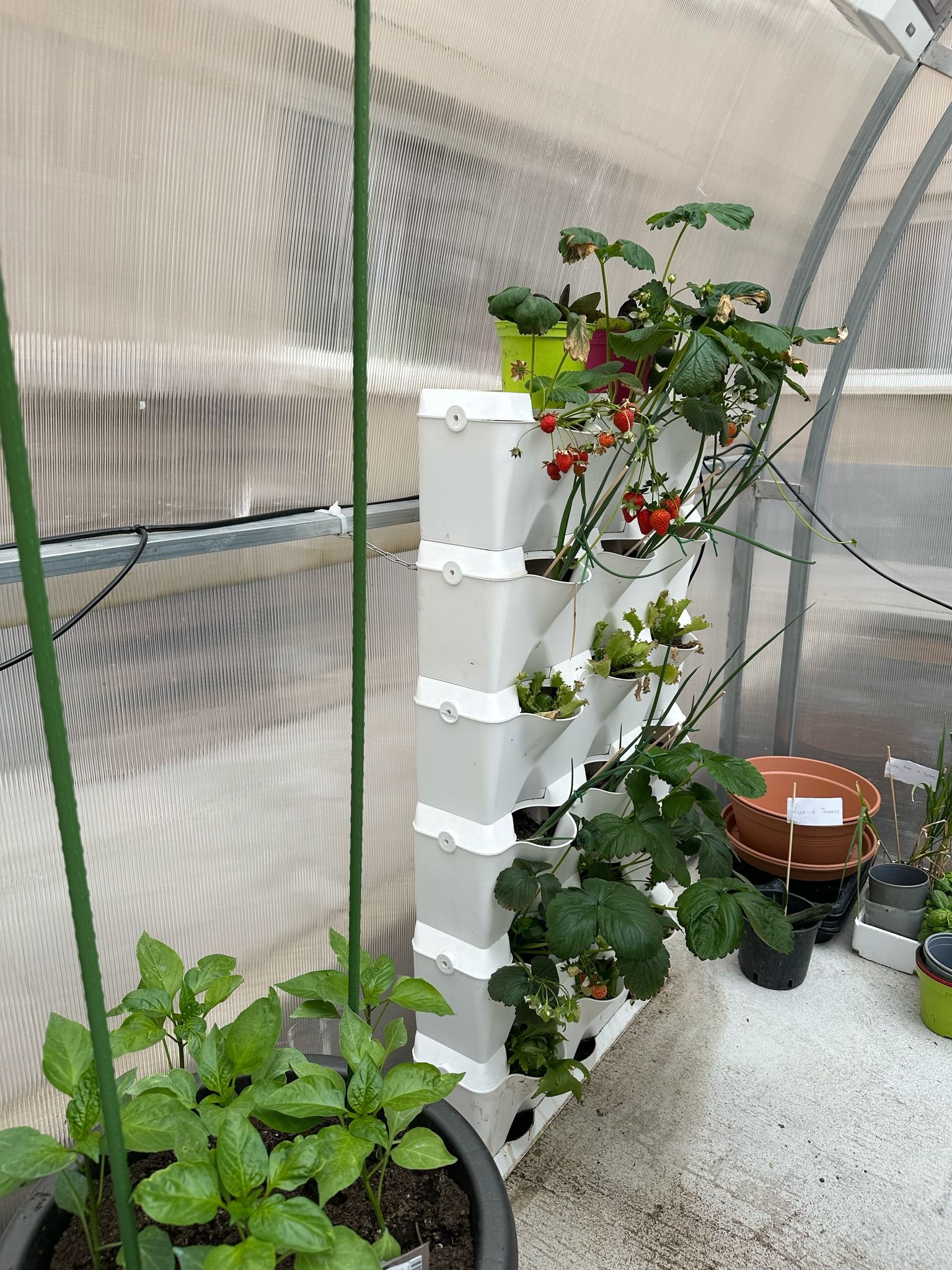
Students actively participated in planting and nurturing aromatic culinary herbs including basil, rosemary, and mint, as well as seasonal vegetable crops in sustainable containers. The initiative provided learners with practical botany competencies, demonstrating the ecological benefits of zero-kilometer agricultural cultivation and the vital link between soil health and nutritious gastronomy.
Throughout the season, students worked collaboratively to maintain the plants, monitor moisture and sunlight, and apply natural plant-care techniques without synthetic chemicals. The greenhouse and botanical garden stand as an enduring living laboratory for environmental stewardship and healthy lifestyle education across the school community.
- Official inauguration of the modern school greenhouse facility at IIS Liberatore.
- Cultivation of aromatic Mediterranean herbs: basil, rosemary, mint, and potted greens.
- Hands-on student training in chemical-free plant management and organic soil enrichment.
- Integrated with vocational culinary education and nutritional science coursework.
Official Photo Gallery (14 Photographs)
 PolandOctober 2026 – Ongoing
 Zespół Szkół Ogólnokształcących im. Stefana Żeromskiego w Bielsku-Białej
School Garden - Growing Together!
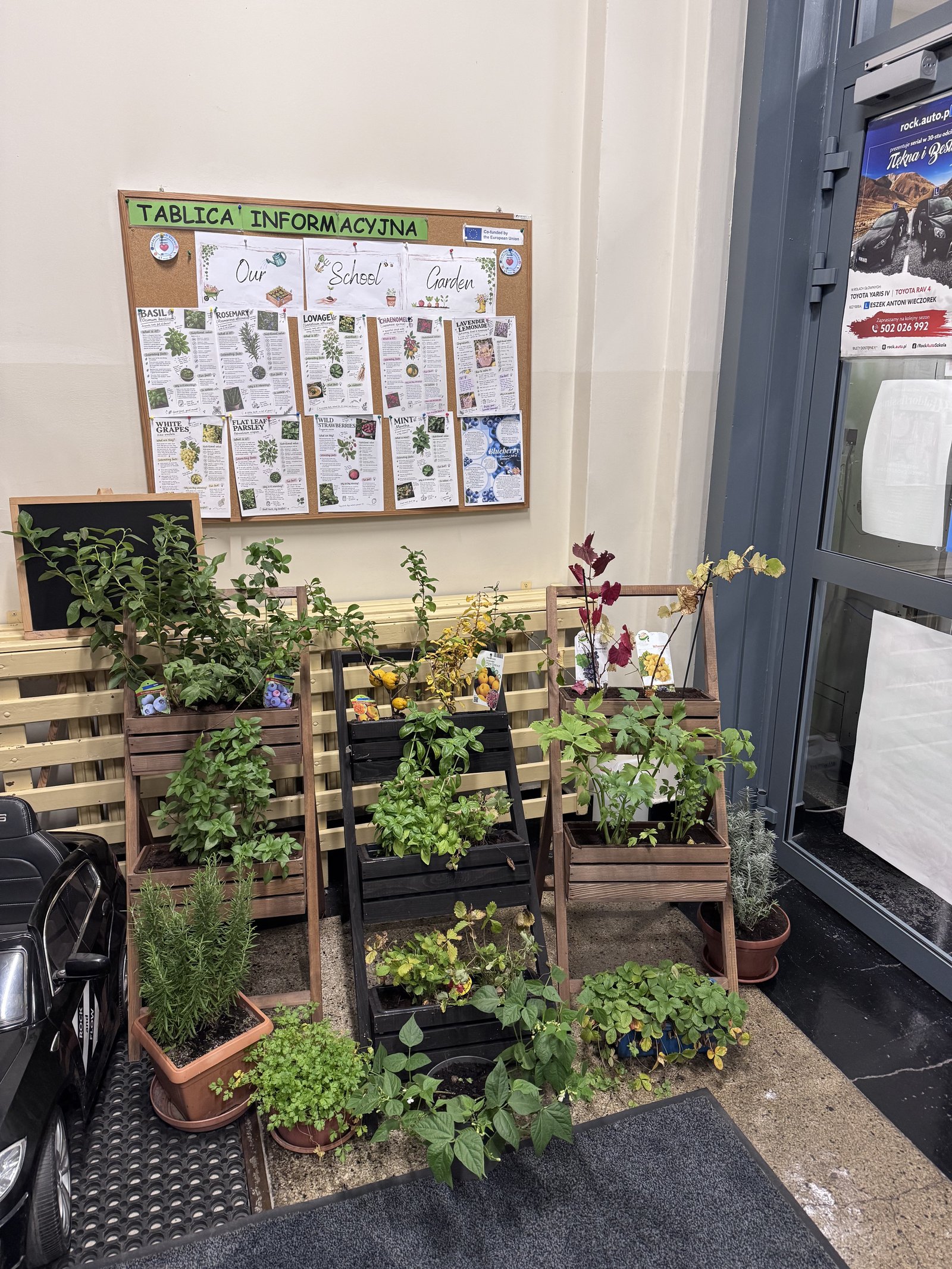
Transforming school spaces into a vibrant potted plant garden with herbs, blueberries, and quince trees.
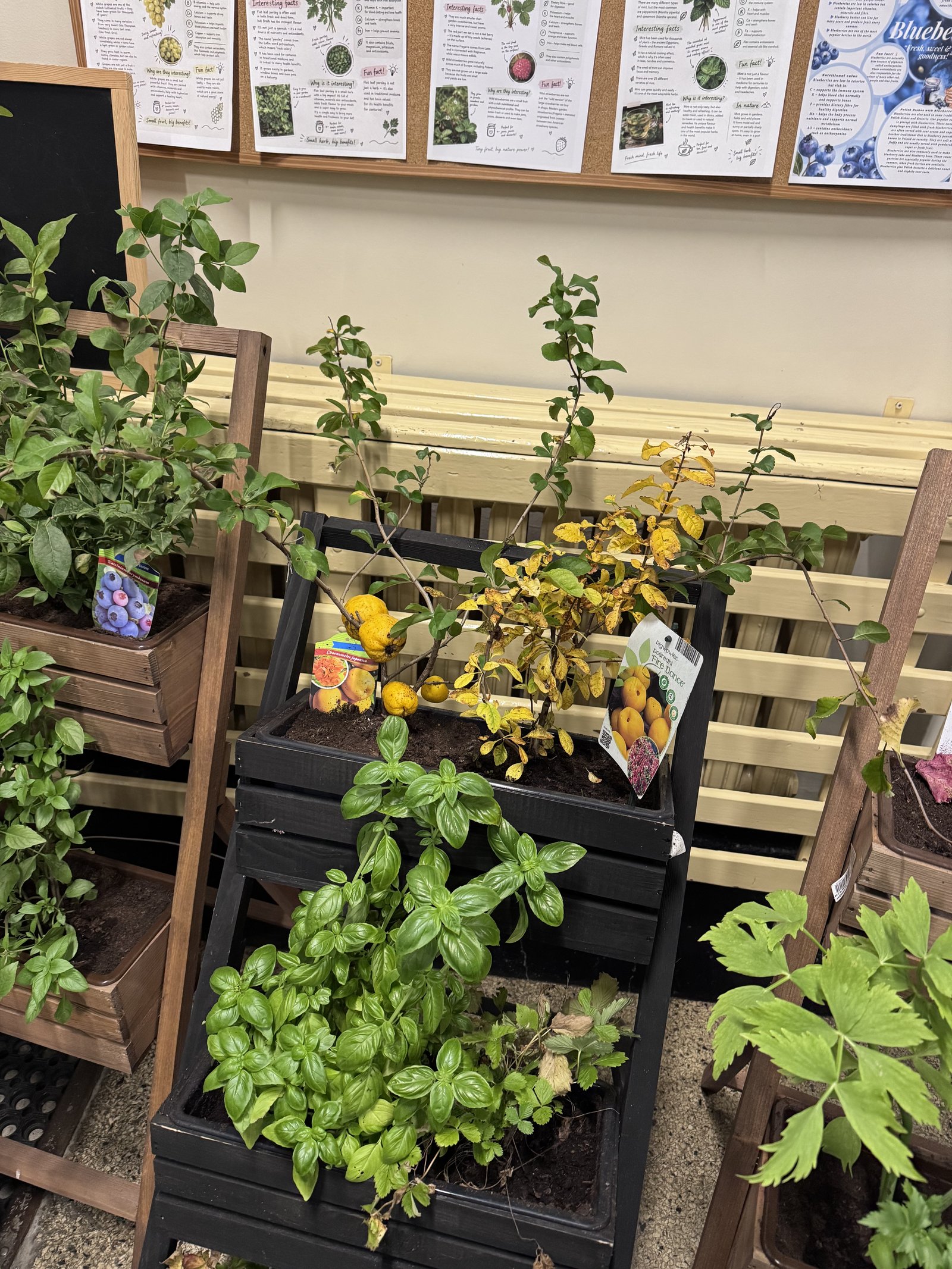
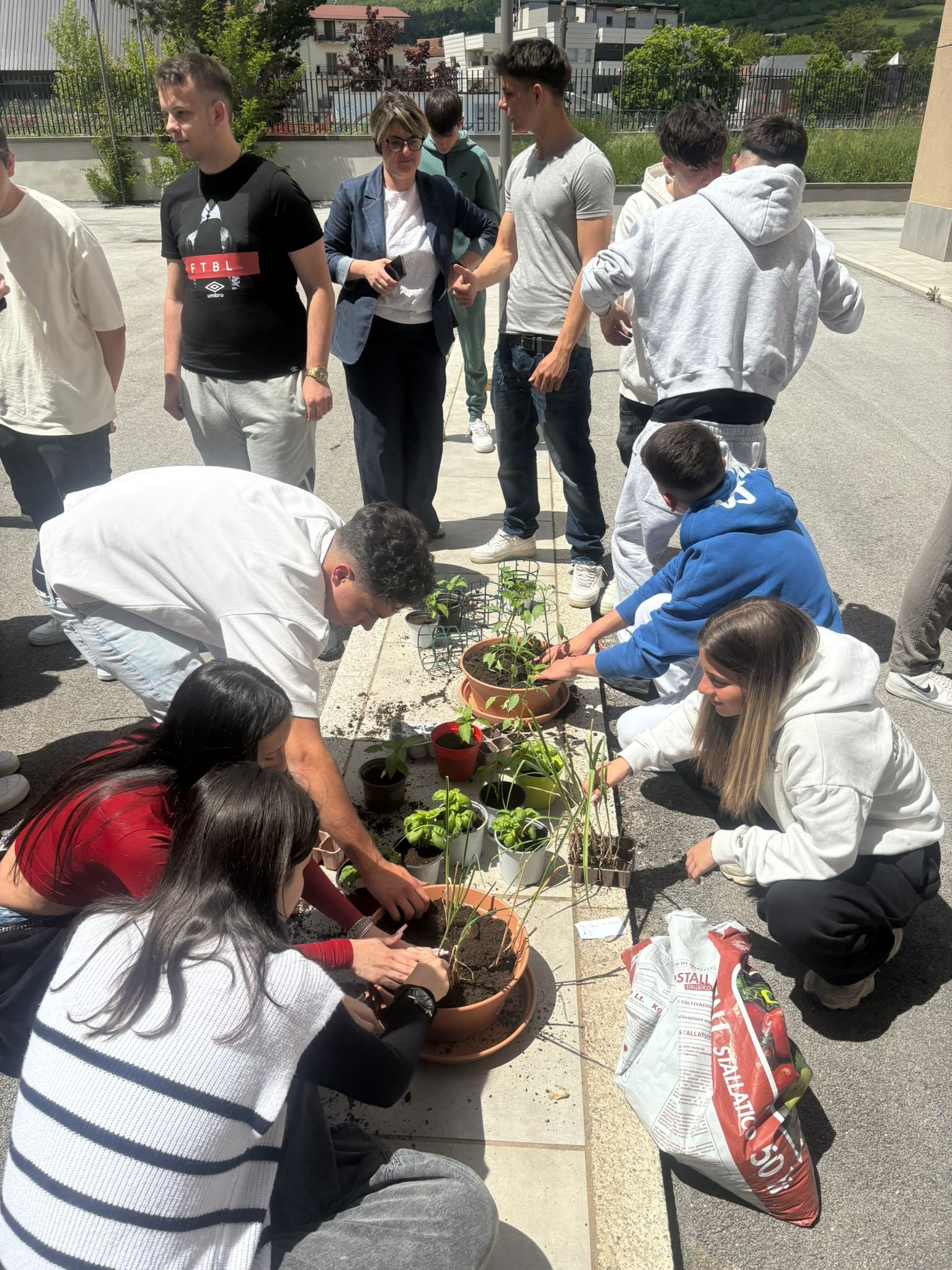
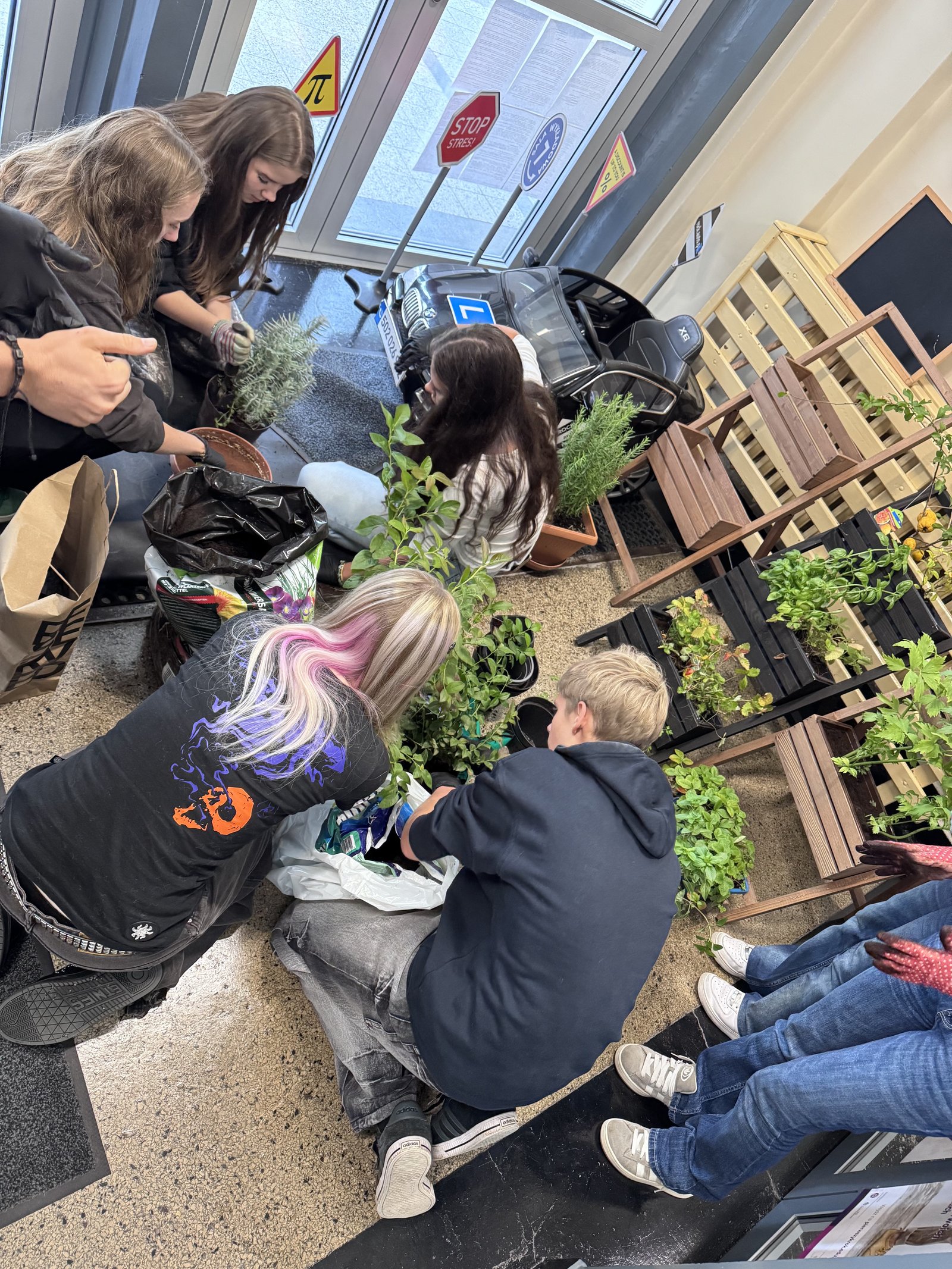
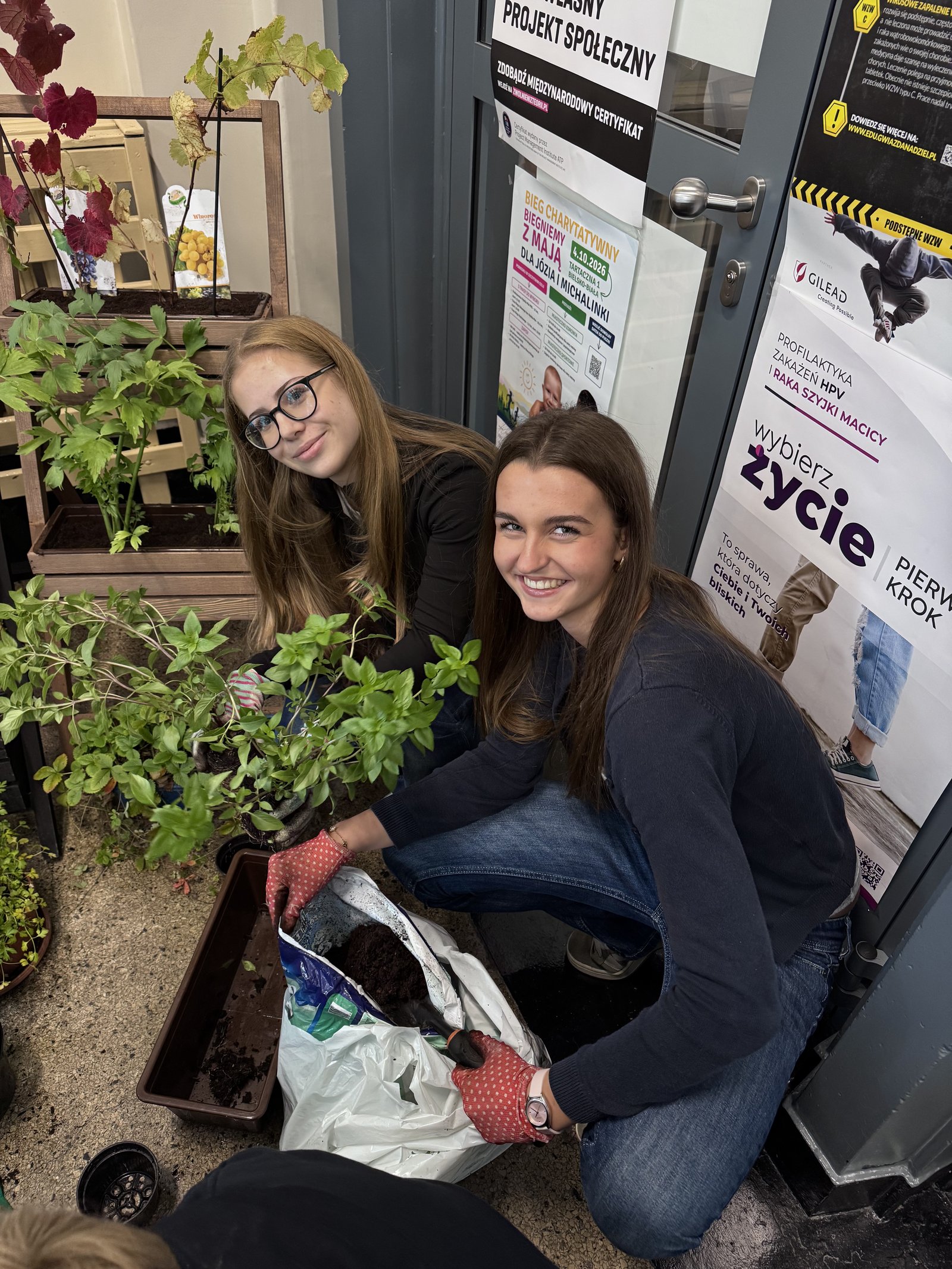
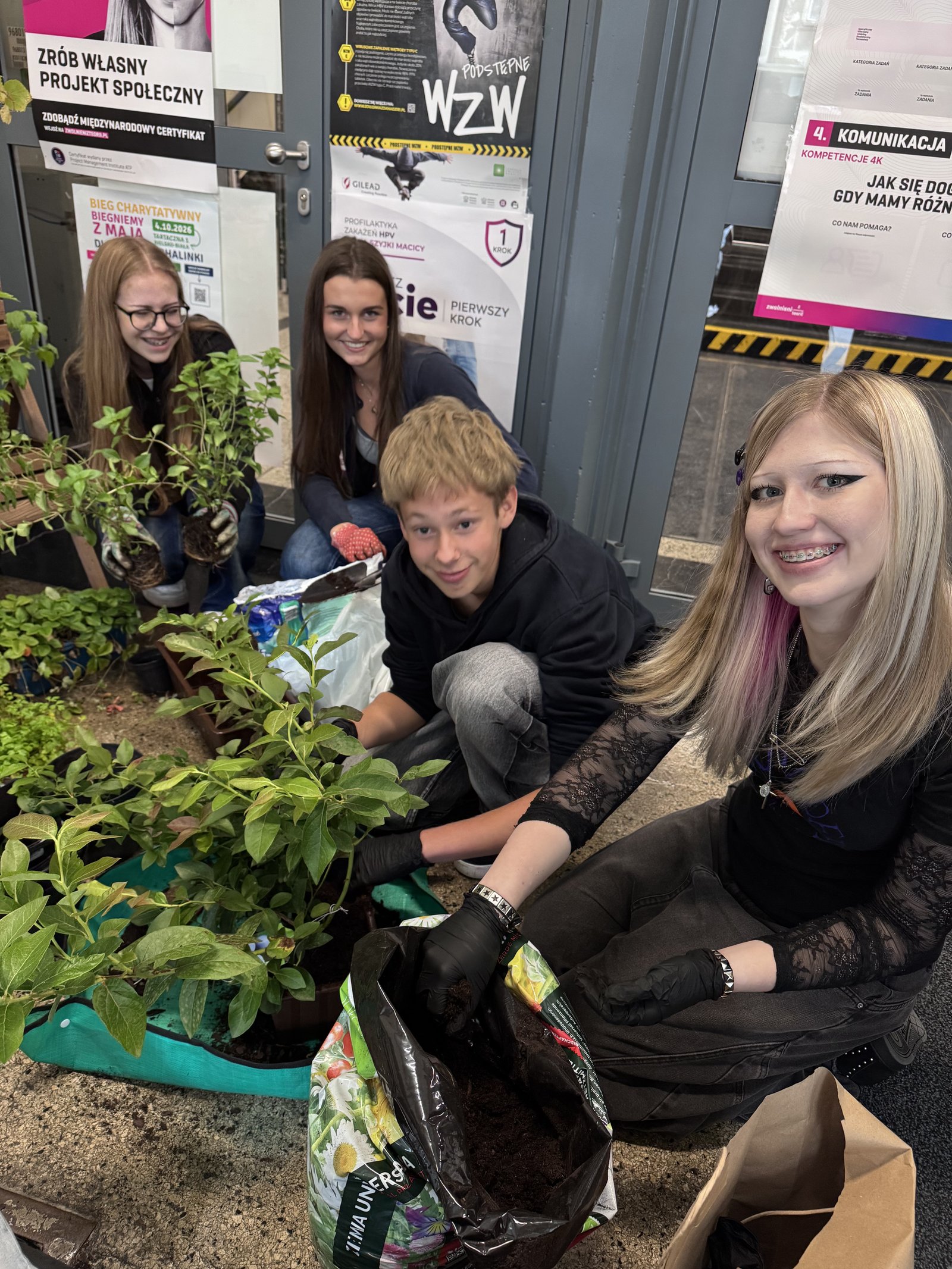
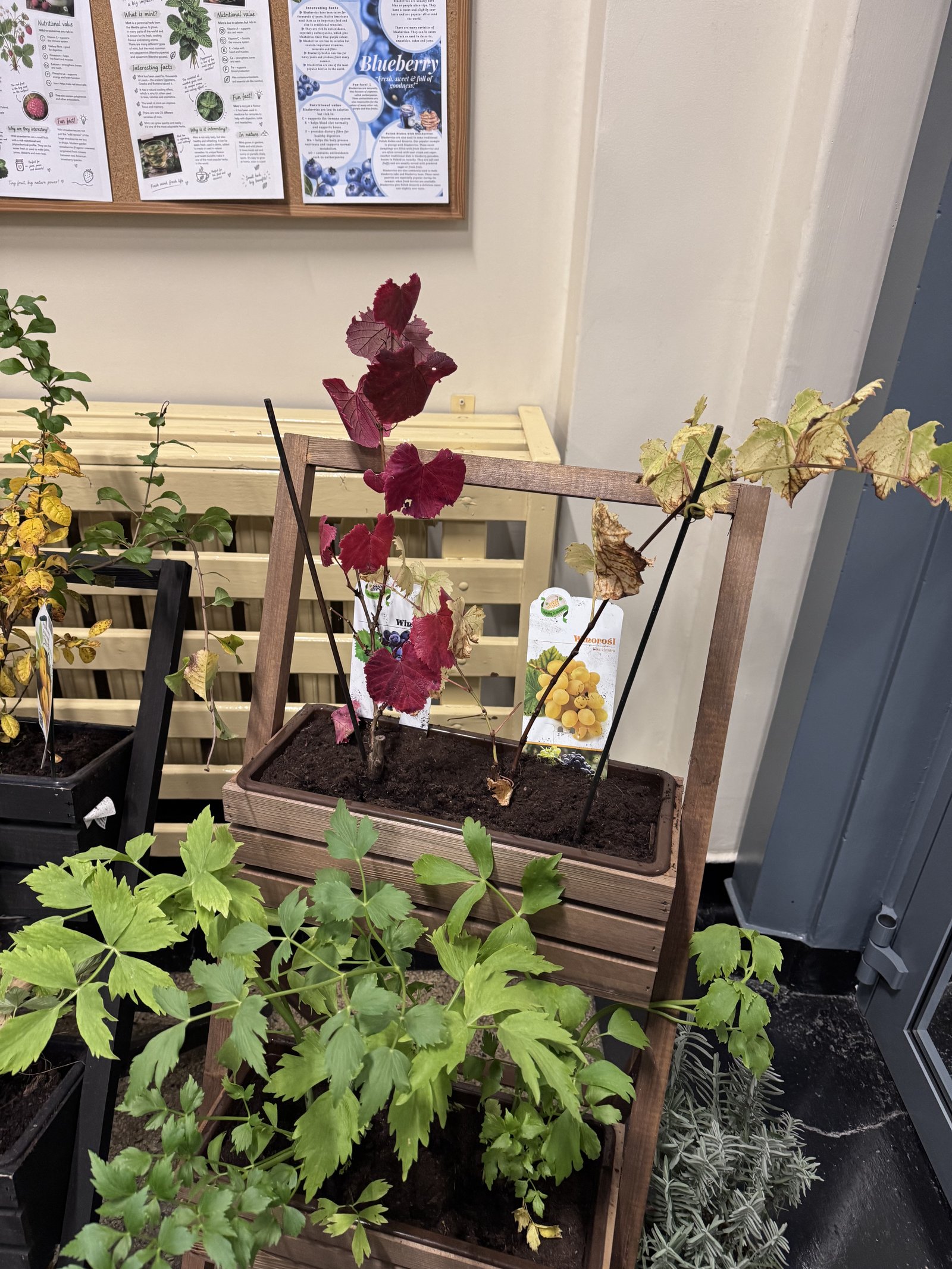
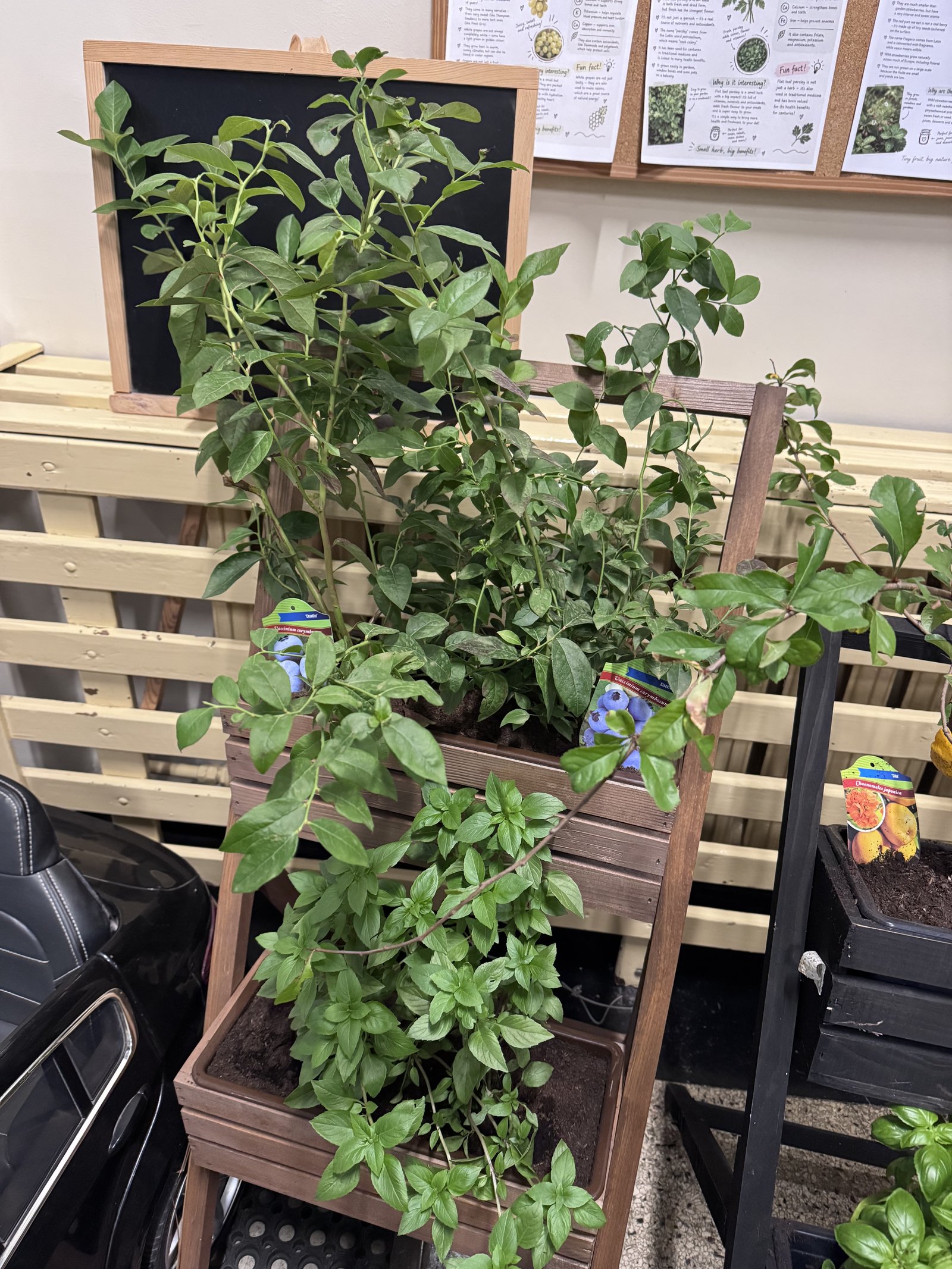
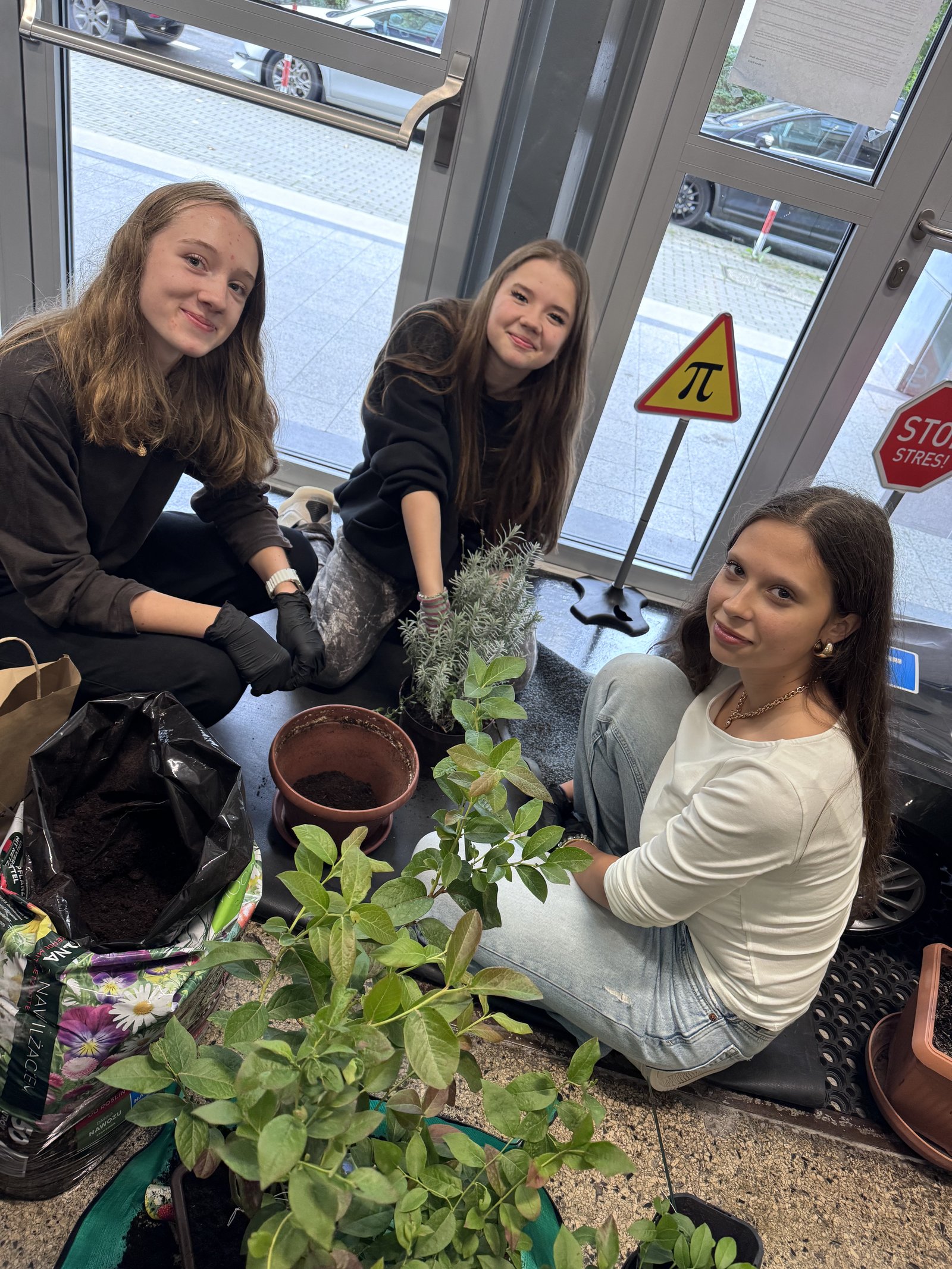
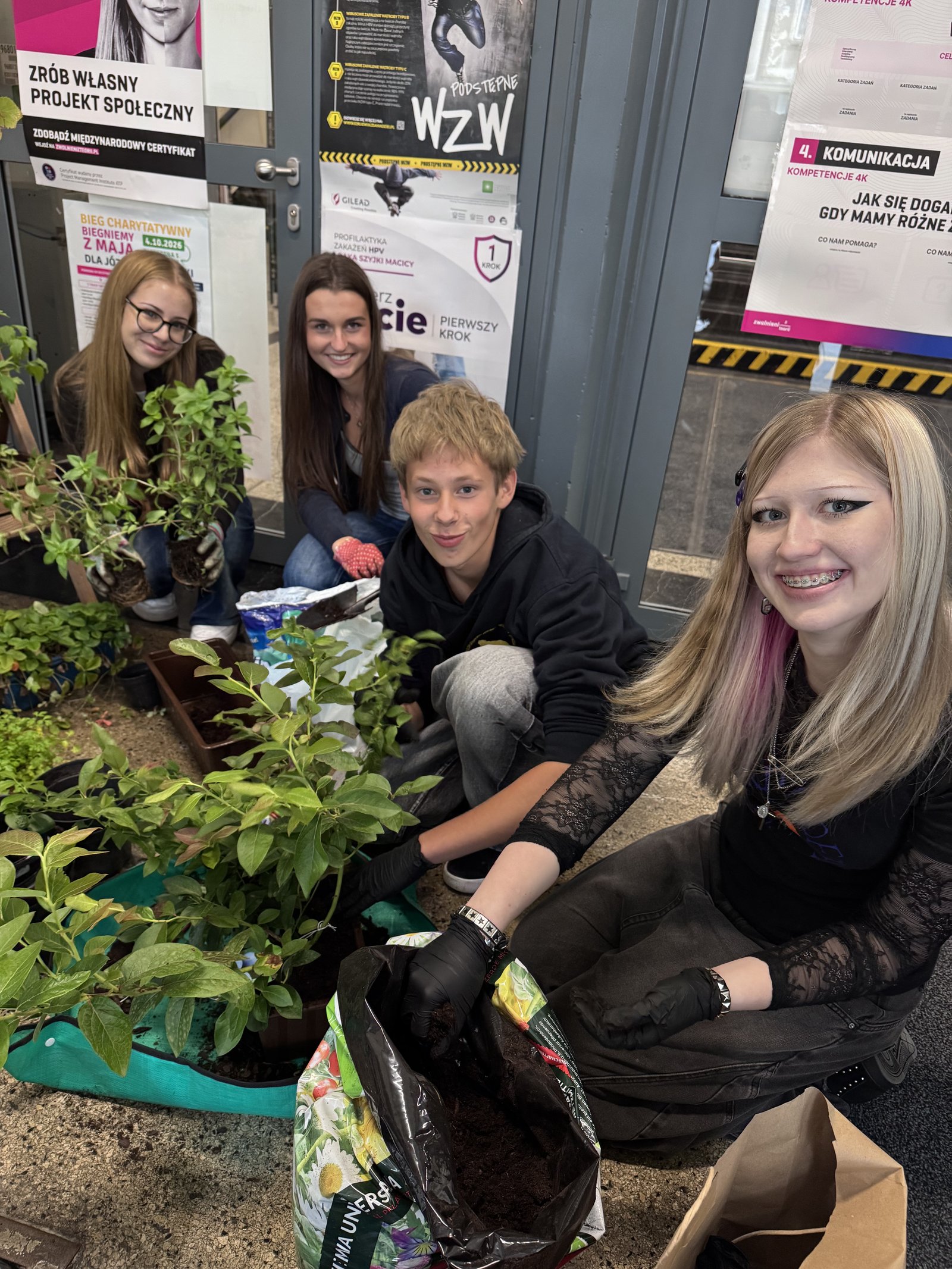
As part of our Erasmus+ project “Healthy and Young”, our students were involved in a school garden activity that brought them closer to nature and at the same time to one another. Together, they planted a variety of herbs, blueberries, quince trees, and other plants, transforming the school space into a potted plant garden.
Not only did the students learn to plant but this activity was a meaningful opportunity for students to work as a team, share responsibilities, and strengthen their friendships while learning about the importance of environmental protection and sustainability. Through this hands-on experience, they discovered how small actions, such as planting and caring for plants, can contribute to a greener and healthier future.
The school garden became more than just a place to grow plants – it became a symbol of cooperation, friendship, and shared responsibility. By working together and nurturing nature, our students learned that, just like plants, strong relationships grow with care, patience, and teamwork.
This activity perfectly reflected the spirit of our Erasmus+ project, promoting environmental awareness, sustainable practices, intercultural cooperation, and the importance of growing together towards a more sustainable future.
- Planted a variety of culinary herbs, blueberries, and ornamental 'Fire Dance' quince trees.
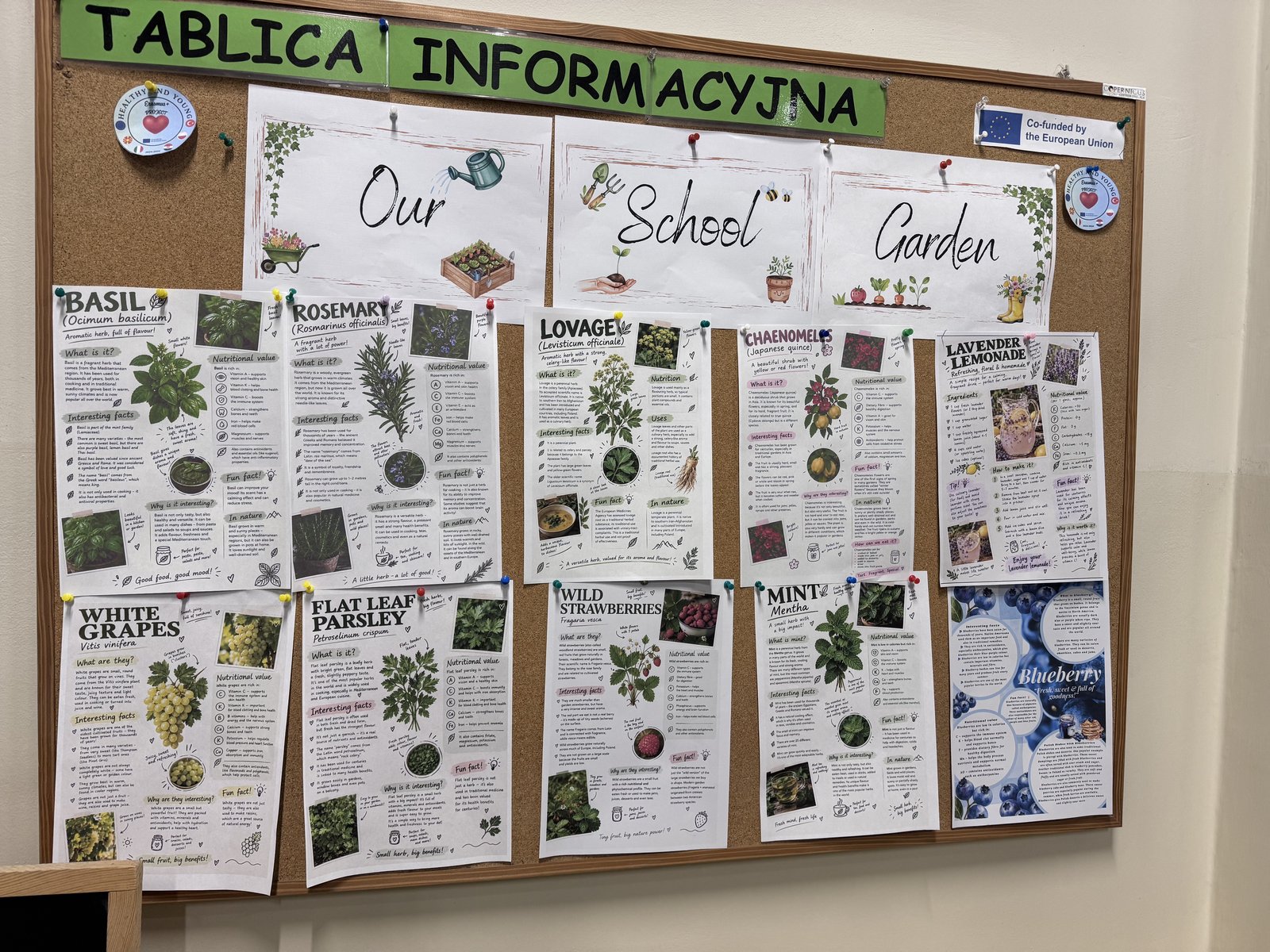
- Transformed school common areas into a multi-tiered wooden planter and potted botanical haven.
- Fostered student teamwork, environmental awareness, and sustainable living habits.
- Created student-researched educational posters on the nutritional value of berries and herbs.
Official Photo Gallery (11 Photographs)
 TürkiyeSpring – Summer Growing Season
 Adile Mermerci Anadolu Lisesi
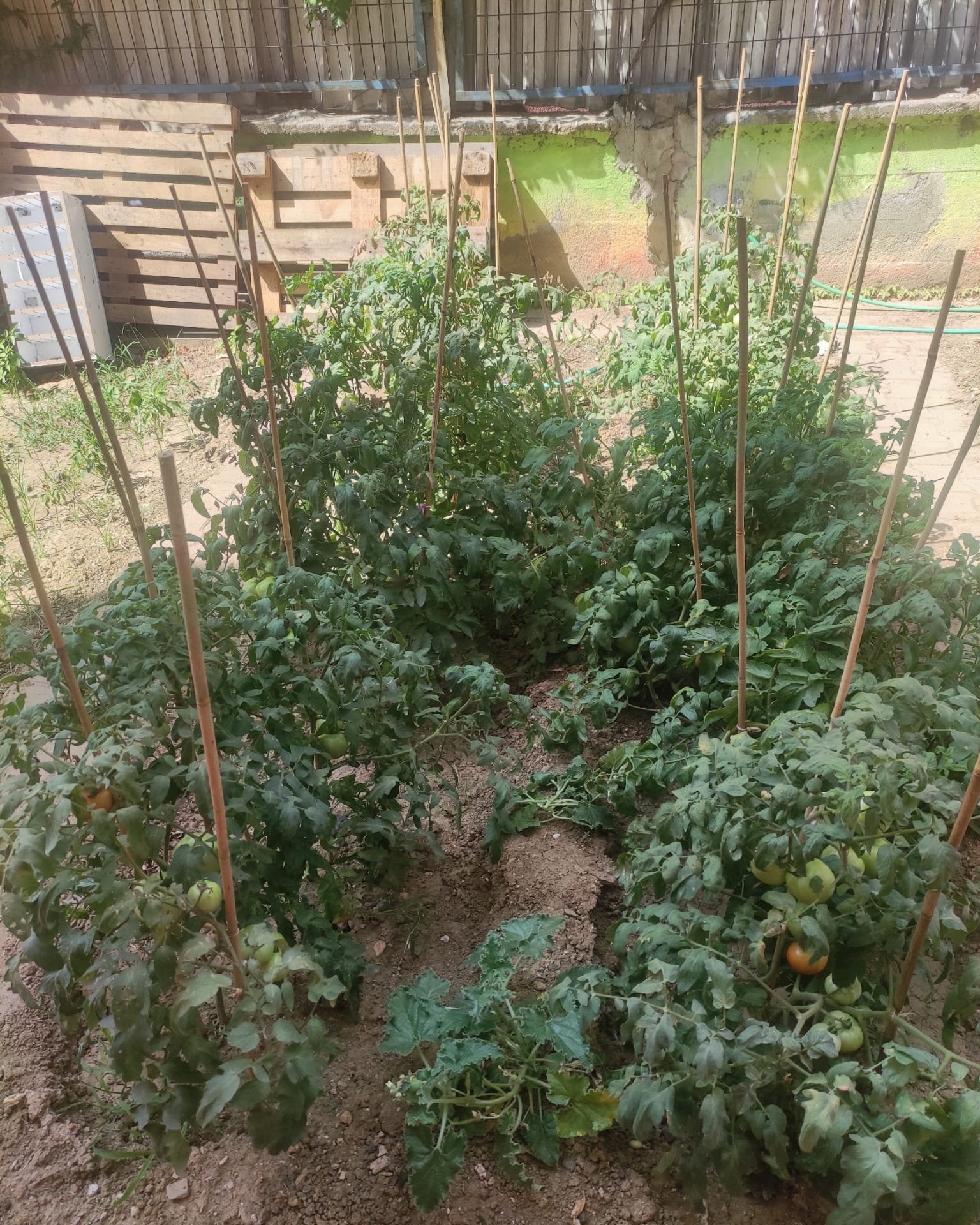
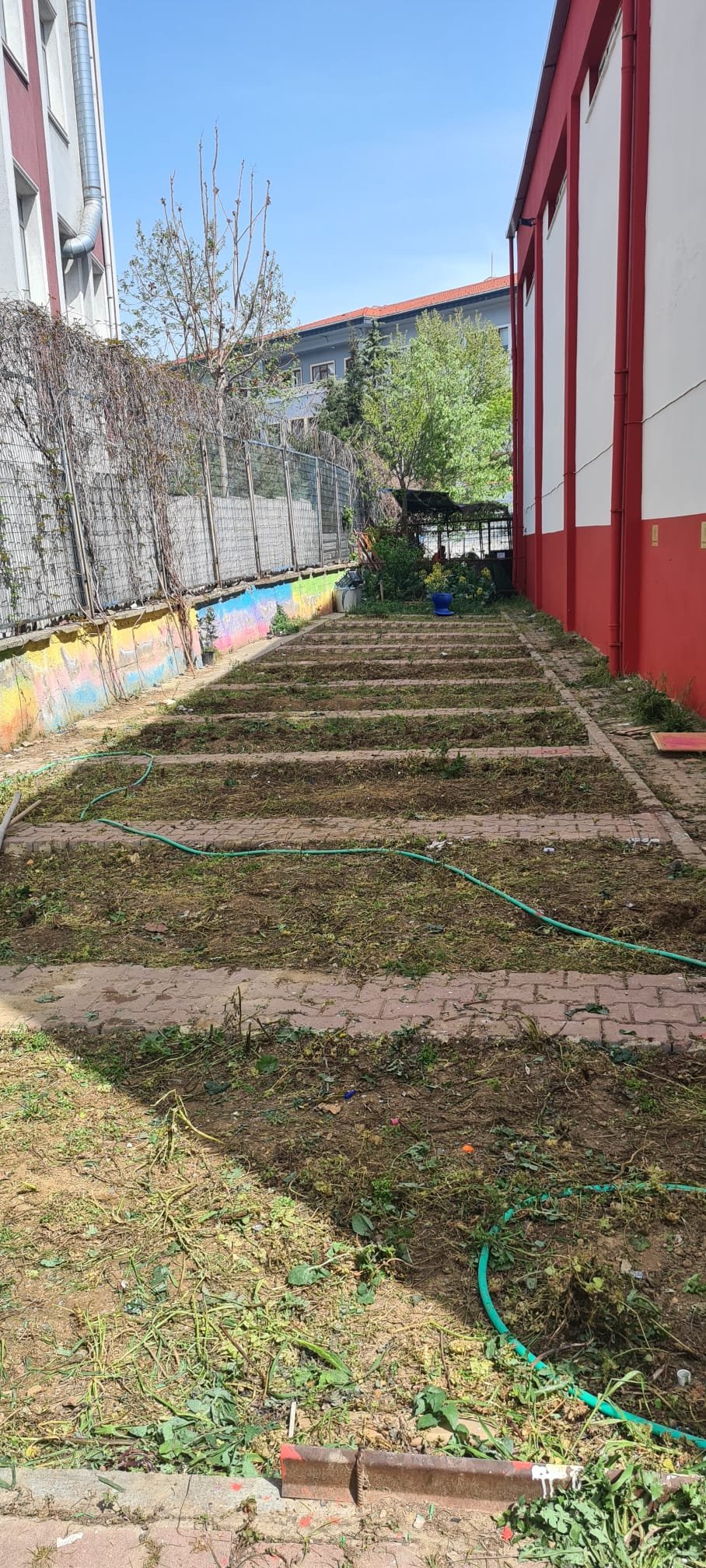
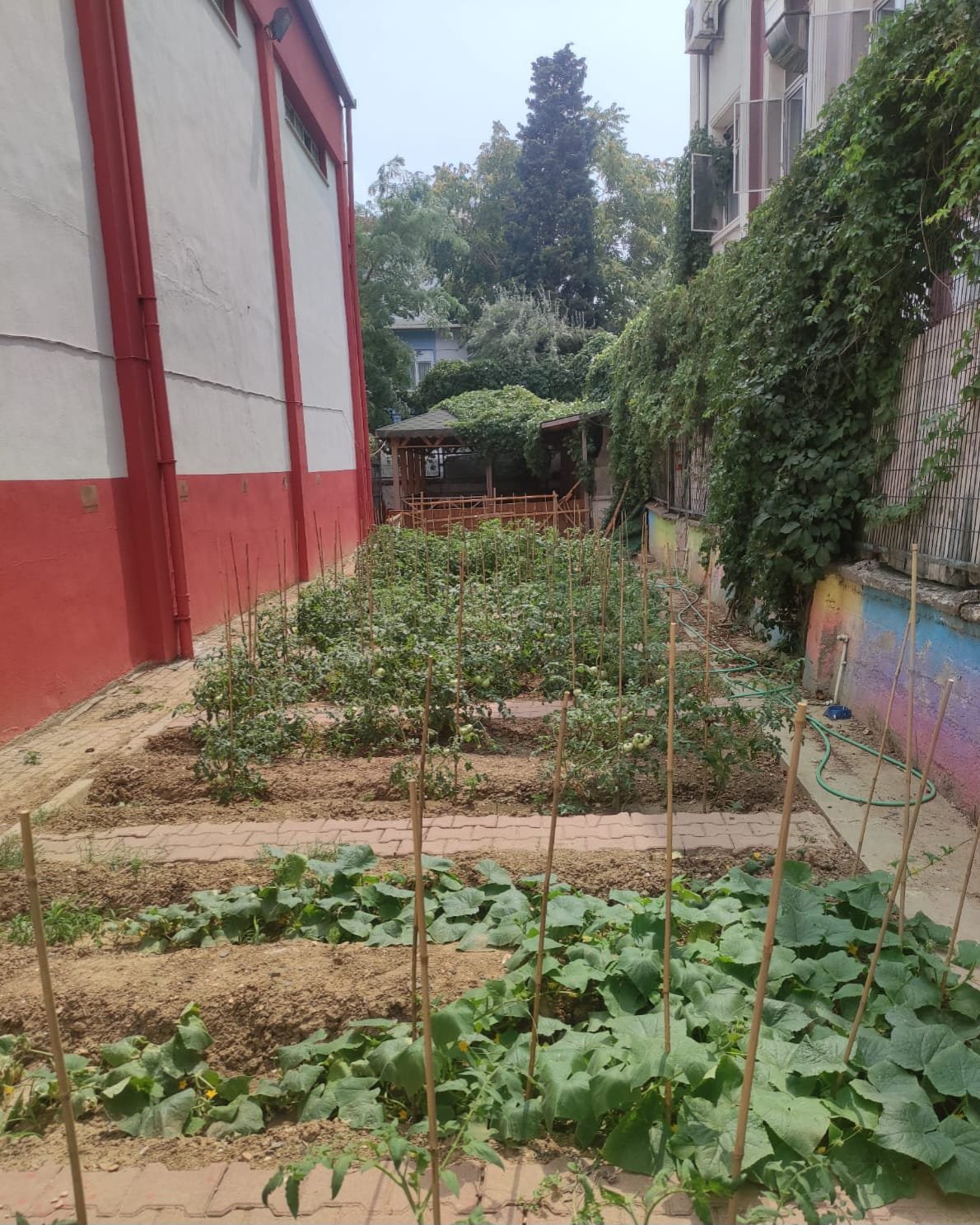
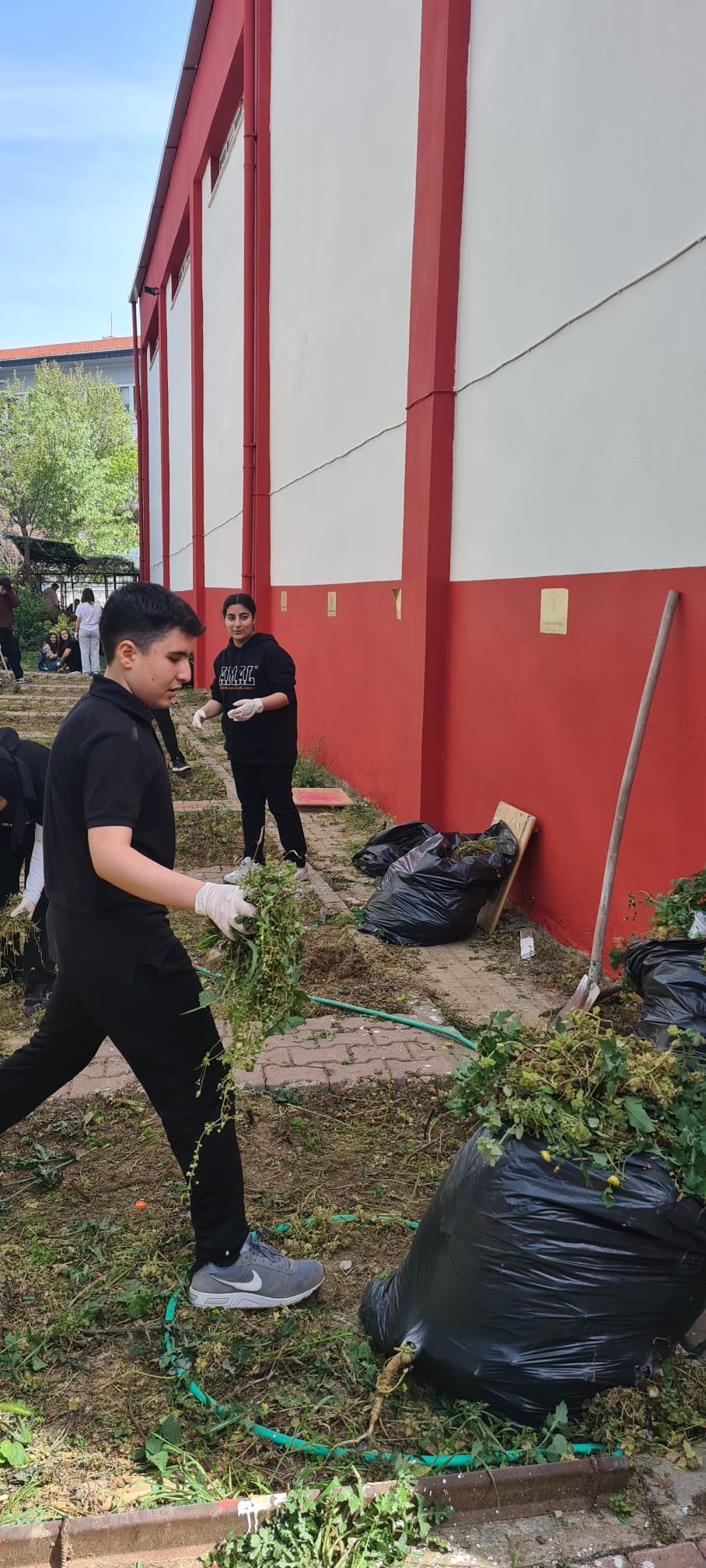
School garden - Learning Through Nature: Our Organic Gardening Experience 🌱
Raising awareness of organic farming, seasonal vegetable cultivation, and natural growing processes in Istanbul.
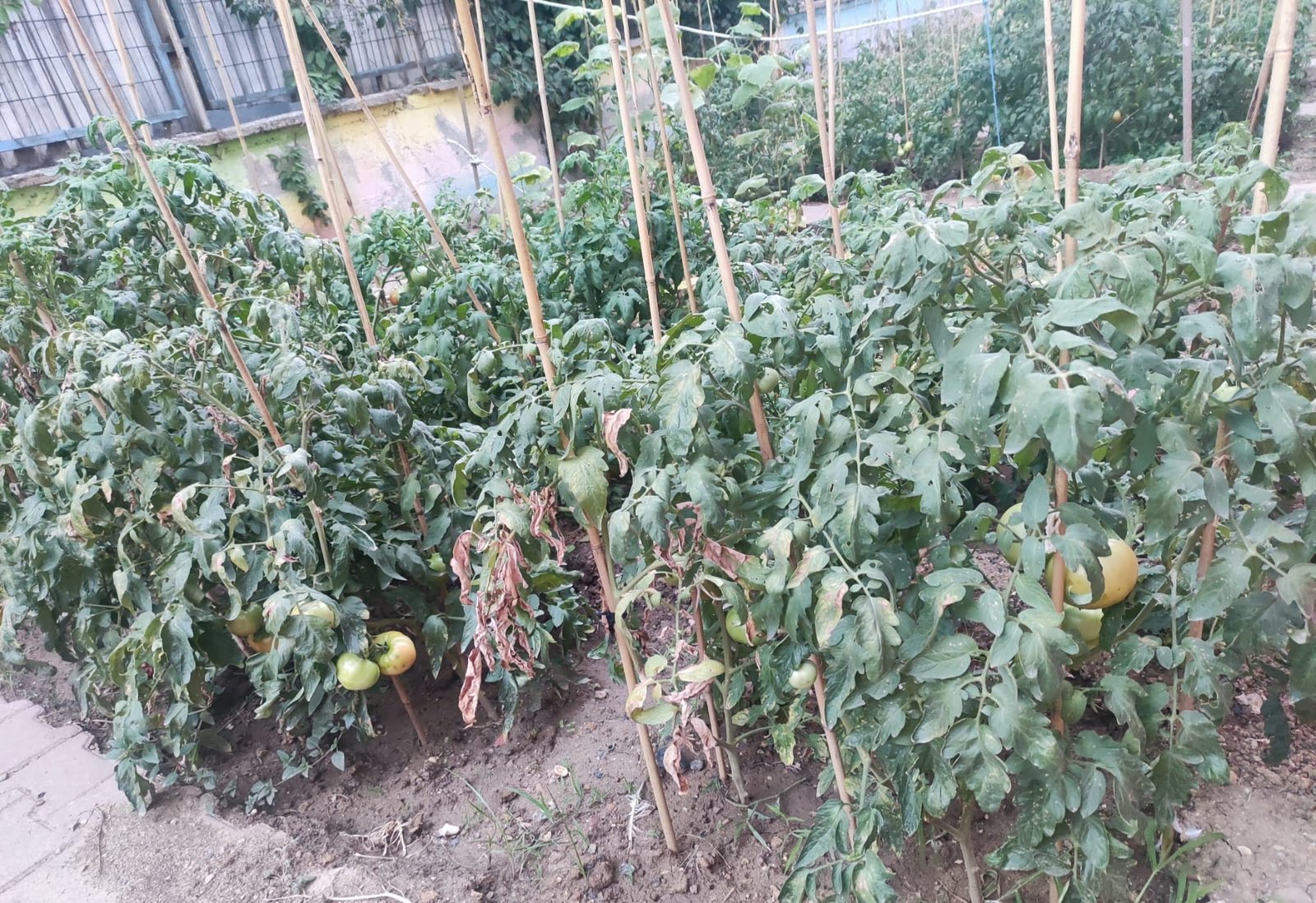
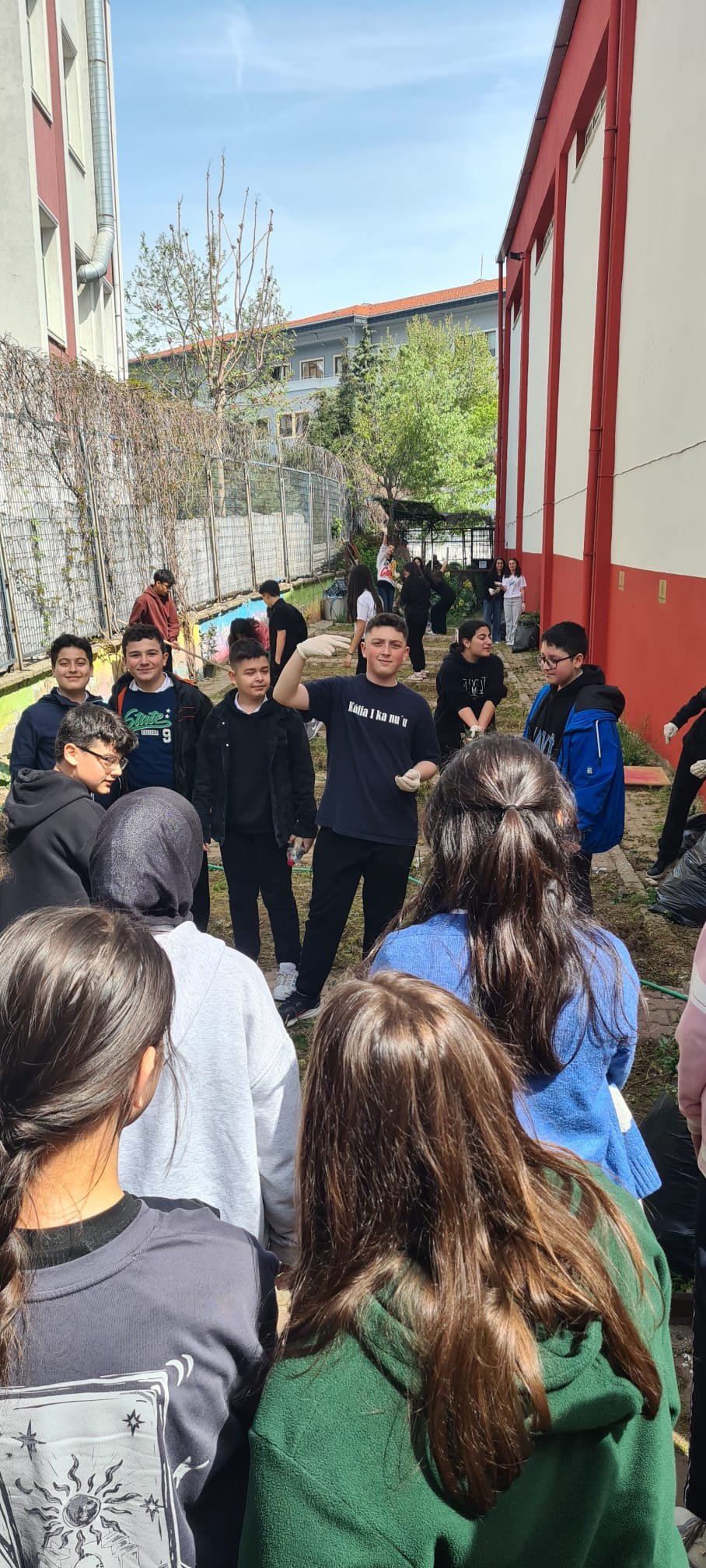
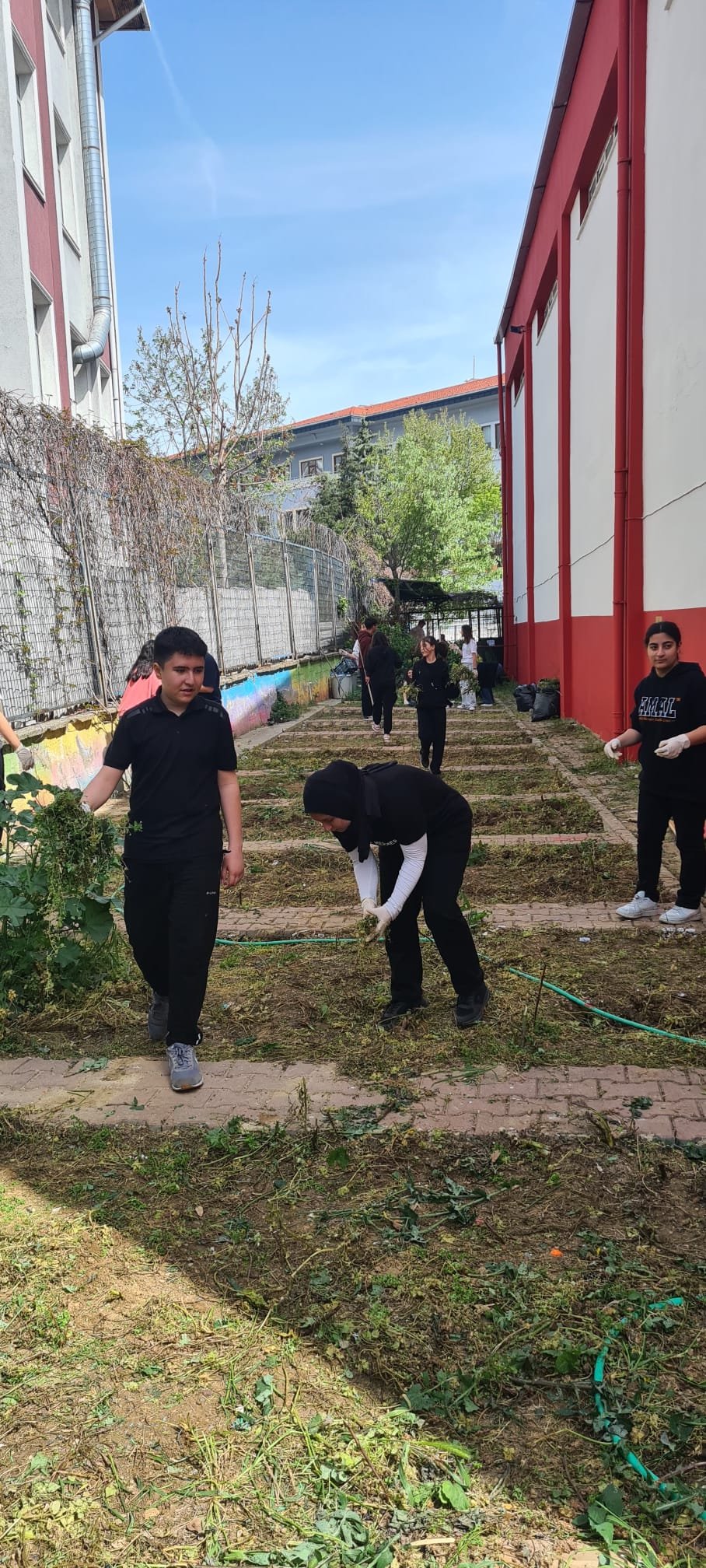
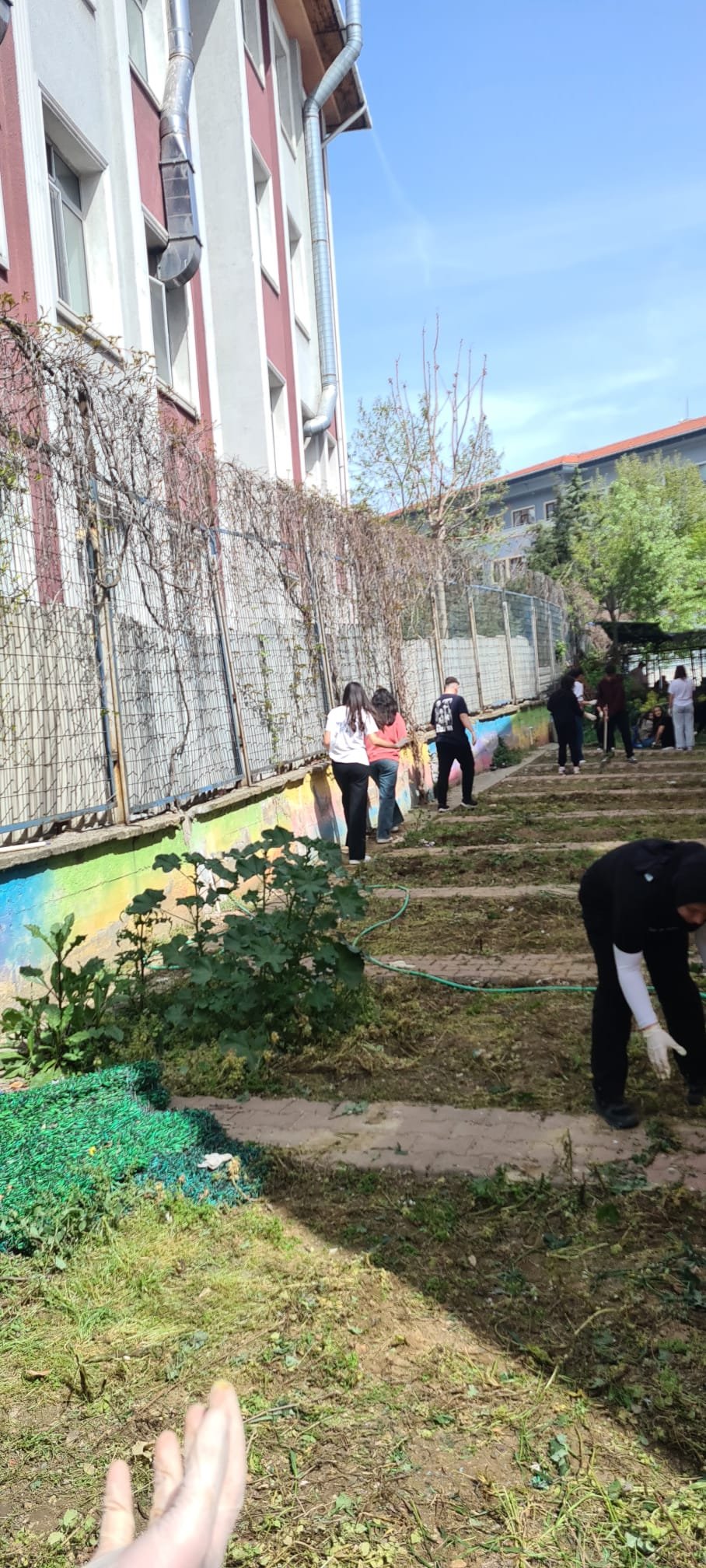
As part of our project activities, we aim to raise students’ awareness of organic farming, sustainable agriculture, and the importance of protecting the environment.
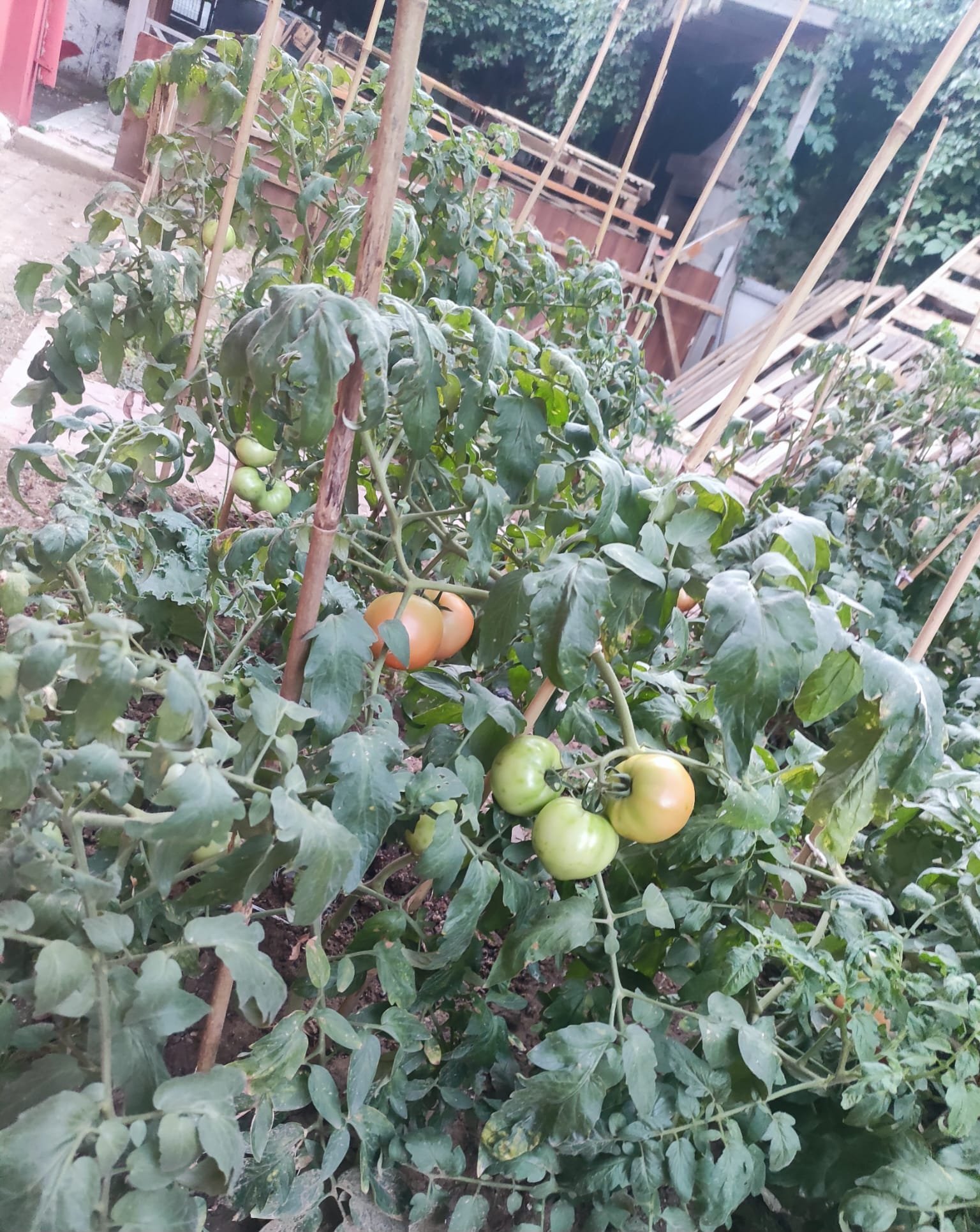
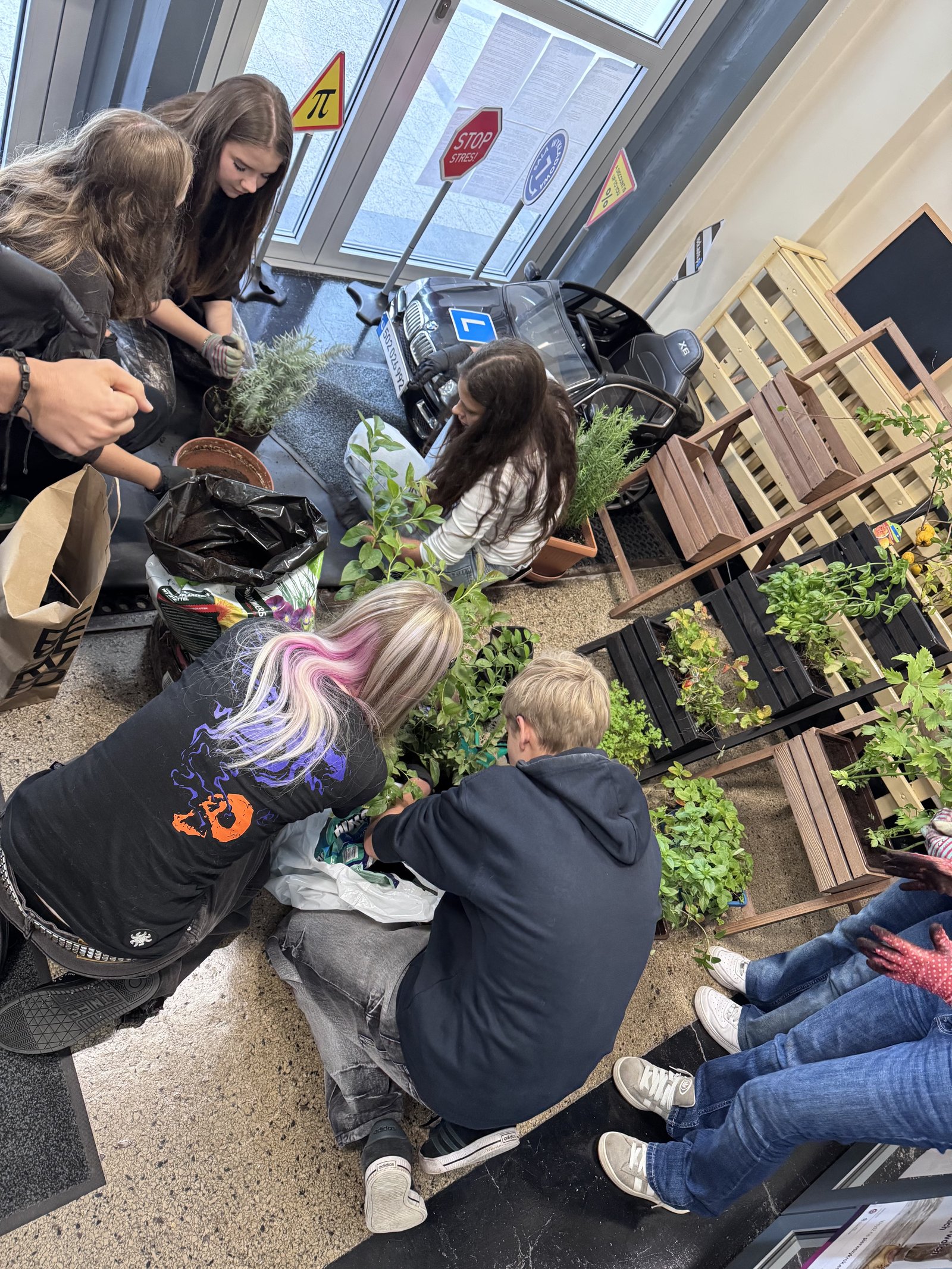
Through hands-on gardening experiences, students have the opportunity to explore the principles of organic farming, identify different types of seedlings, and understand which fruits and vegetables grow best in each season.
By observing the growth of plants from seedlings to harvest, students gain practical knowledge about natural growing processes, seasonal cultivation, and environmentally friendly agricultural practices.
These activities not only encourage students to develop a deeper appreciation for nature but also promote environmental responsibility, healthy living, and sustainable habits.
By bringing learning beyond the classroom, we hope to inspire our students to become more environmentally conscious individuals who understand the value of growing their own food and protecting our planet.
- Hands-on exploration of organic farming principles and seasonal seed selection.
- Cultivated heirloom tomatoes, peppers, and garden greens from seedling to harvest.
- Observed natural growth cycles and chemical-free soil nourishment in urban school grounds.
- Deepened student appreciation for sustainable agriculture and farm-to-table nutrition.
Official Photo Gallery (9 Photographs)